TL;DR
Google says the fourth-generation Nest Learning Thermostat will gain support for third-party Matter temperature sensors in a free update beginning in December. Owners will be able to view readings in Google Home and use sensors for climate controls and automations; Google has not announced an exact rollout date.
Google plans to add third-party Matter temperature sensor support to its fourth-generation Nest Learning Thermostat, allowing readings from compatible devices to inform home climate controls. The free update is expected to begin rolling out in December, though Google has not given a specific release date.

Get home appliances delivered free with Prime
- Fast, free delivery on millions of items
- Prime Video, Amazon Music and more included
- Member-only deals all year
Google’s announcement, published on its Google Home blog, identifies the fourth-generation Nest Learning Thermostat as the model receiving the feature. The more affordable Nest Thermostat is not listed as supported at this time, even though it also supports Matter. The update is for the flagship thermostat, and Google has not said whether the less expensive model could be included later.
Google highlighted Matter temperature sensors from IKEA, Eve and Aqara as compatible examples. Those include IKEA’s TIMMERFLOTTE temperature and humidity sensor, Aqara’s W100 Climate Sensor, and Eve Weather. Other Matter temperature sensors may work when paired with Google Home, but the announcement does not provide a complete compatibility list or confirm every device individually.
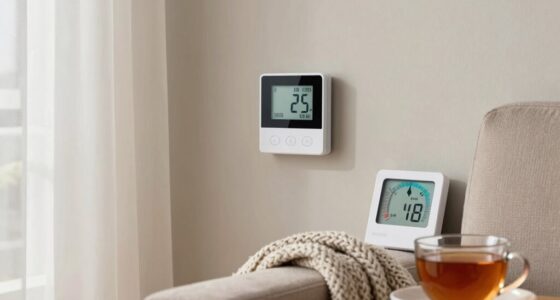
Once the feature is available, users will be able to see live sensor readings in the Google Home app and use temperatures as triggers for automations and schedules. Multiple sensors can also help the thermostat account for conditions in rooms away from the thermostat itself, as with thermostats with remote room sensors. Google says users will be able to average readings across the home when deciding when to start heating or cooling.
5 Things To Know About Matter Sensors and Nest
Google plans a free update that lets compatible third-party temperature sensors inform the fourth-generation Nest Learning Thermostat.
1. Support is coming
The update is expected to start rolling out in December.
Look in the Google Home app or the thermostat’s Settings menu once the rollout begins.
Pair Matter temperature sensors with Google Home to use their readings.
2. Only one Nest model is named
Google’s announcement covers the fourth-generation Nest Learning Thermostat.
- Fourth-generation Nest Learning Thermostat
- The more affordable Nest Thermostat
3. Sensor choices include
Google highlighted examples from three brands.
4. Readings can guide comfort
Sensors extend temperature information beyond the thermostat’s location.
See live readings
View compatible sensor temperatures in the Google Home app.
Inform climate settings
Use readings for thermostat controls, schedules and automations.
Average temperatures
Google says readings across the home can help decide when heating or cooling starts.
Room Readings Can Guide Heating
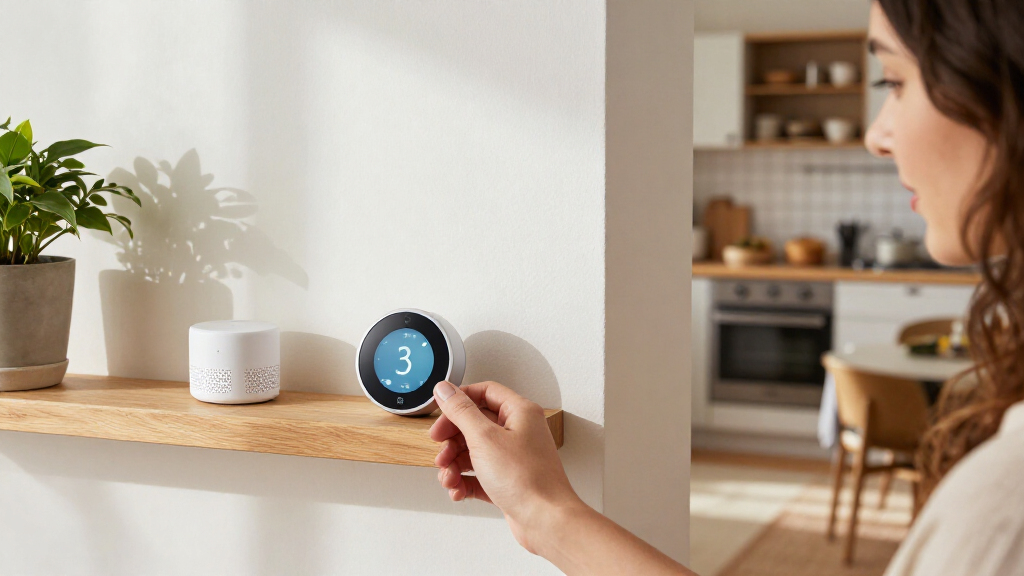
The update changes which parts of a home can inform a thermostat’s decisions. A thermostat normally measures temperature where its own sensor is installed; that reading may not reflect a colder bedroom, a sunny living area or another room where occupants spend time. With supported Matter sensors placed around the home, the Nest Learning Thermostat can use readings beyond its own location.
That may give owners more control over comfort and scheduling without relying only on Google-branded sensors. The ability to average readings across multiple rooms could help users set a broader picture of indoor temperature, while automation triggers make the sensors useful for more than thermostat control. The announcement describes these capabilities but does not quantify energy savings or promise that every room will reach the same temperature.
For people who already own compatible Matter devices, the feature may also make those sensors more useful within Google Home. It links third-party hardware to the thermostat’s climate controls, rather than limiting sensor-based adjustments to a proprietary accessory. The practical benefit will depend on sensor placement, device compatibility and how users configure their heating and cooling preferences.
Products Worth Considering

Dyson V15 Detect Cordless Vacuum

Philips Hue Festavia Permanent Outdoor String Lights, 80 Lights, 150 ft

Philips Hue Bridge Pro Smart Lighting Hub
As an affiliate, we earn on qualifying purchases.
A Matter Update for Nest
Matter is a smart-home standard intended to let devices from different manufacturers work across compatible platforms. Google’s announcement applies that approach to temperature sensing: owners can use supported third-party sensors in Google Home alongside the thermostat’s existing sensors. The announcement says the feature is coming to the fourth-generation Nest Learning Thermostat, which is Matter-compatible.
Nest already offers its own Temperature Sensors for measuring conditions in rooms away from the thermostat. The planned addition broadens the potential hardware options by including select Matter devices. Google also says preferred temperature readings will sync across Nest displays, Google smart speakers and mobile apps, giving users access to those preferences across its home interfaces.
The update is scheduled to start rolling out in December. Google says it will be available at no charge and that users will find it through the Google Home app or the thermostat’s on-device Settings menu once released.
“Third-party Matter temperature sensor support will begin rolling out in December.”
— Google, in its Google Home blog announcement
Rollout and Device Support Details
Google has not announced the exact date in December when the update will begin or how quickly it will reach eligible thermostats. It also has not published a complete list of supported sensors. IKEA, Eve and Aqara devices are highlighted, while compatibility for other Matter sensors is described as expected in principle rather than confirmed model by model.
The announcement does not explain whether the Nest Thermostat will receive support in a later update. It also leaves details of the temperature-averaging controls unclear, including how users will select sensors, weigh readings or handle rooms with substantially different temperatures. No energy-use or cost-saving figures were provided.
December Rollout and Setup
The next milestone is the start of the December software rollout. Eligible owners can check the Google Home app or the thermostat’s Settings menu for the update, according to Google. After installation, users will need compatible Matter sensors paired with Google Home to use their readings for monitoring, automations and thermostat controls.
Google has not given a more detailed schedule or said when it will clarify support for additional thermostat and sensor models. Until those details are available, owners should check the device compatibility information presented in Google Home rather than assume every Matter temperature sensor will work.
Source: rss
Key Questions
Which Nest thermostat is getting Matter temperature sensor support?
Google announced the feature for the fourth-generation Nest Learning Thermostat. The more affordable Nest Thermostat is not included in the announcement.
When will the update arrive?
Google says rollout will begin in December, but it has not provided an exact date or a timeline for reaching all eligible devices.
Which Matter sensors did Google identify?
Google highlighted compatible devices from IKEA, Eve and Aqara, including IKEA’s TIMMERFLOTTE, Aqara’s W100 Climate Sensor and Eve Weather. It has not released a complete confirmed compatibility list.
What can owners do with the sensors?
Owners will be able to view live readings in Google Home, use temperatures in automations and schedules, and use multiple sensors to inform thermostat operation. Google also says users can average temperatures across the home.
Will the update cost extra?
No. Google says the software update will be free of charge.
Source: matteralpha.com