
As a smart homeowner, you realize that indoor air quality directly impacts your health and comfort. Smart air quality monitors and automated ventilation help you stay on top of pollutants, allergens, and humidity levels. This technology allows you to respond quickly and maintain healthier air, reducing allergy and respiratory risks. By integrating these solutions, you create a safer, more comfortable home environment. Want to discover how these innovations keep your air clean and your home smarter? Keep exploring.
Key Takeaways
- Increasing indoor pollutants and allergens make real-time air quality monitoring essential for health and safety.
- Smart sensors provide continuous data, enabling timely responses to improve indoor air conditions.
- Automated ventilation systems optimize airflow, reducing stale air and pollutant buildup effortlessly.
- Integrating air quality data supports healthier routines and maintenance, enhancing overall home comfort.
- Smart air quality solutions contribute to a healthier, more connected living environment aligned with modern lifestyles.
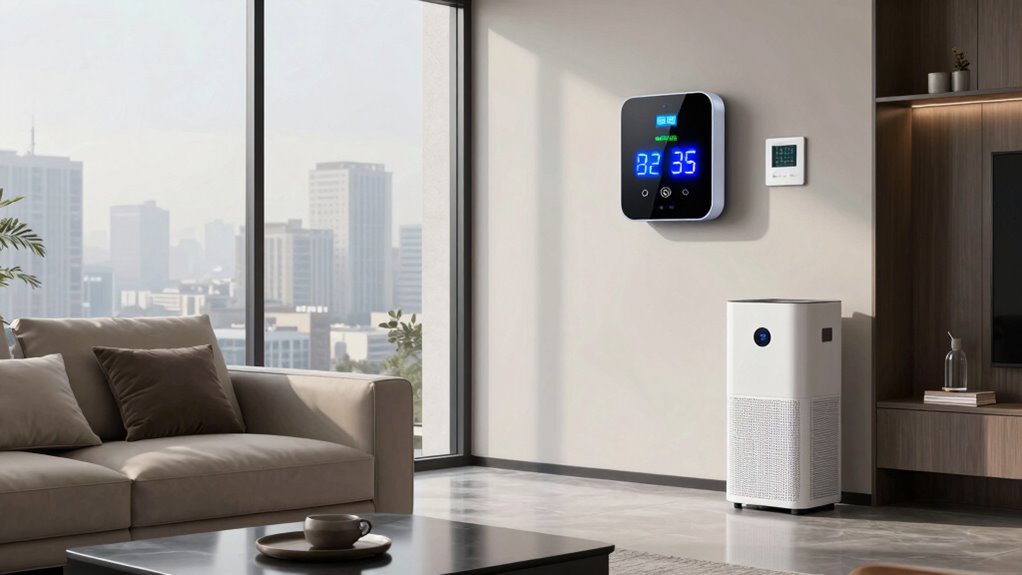
In today’s connected world, maintaining good air quality isn’t just a matter of comfort—it’s essential for your health and well-being. As smart homes become more popular, awareness about indoor air quality takes center stage. You might not realize it, but indoor allergens like dust mites, pet dander, mold spores, and other pollutants can significantly impact your health, especially if you have allergies or respiratory issues. That’s where smart technology steps in to help you monitor and improve the air you breathe every day.
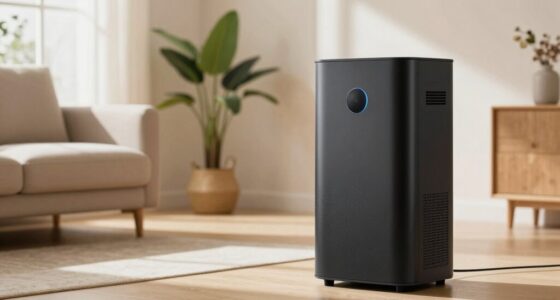
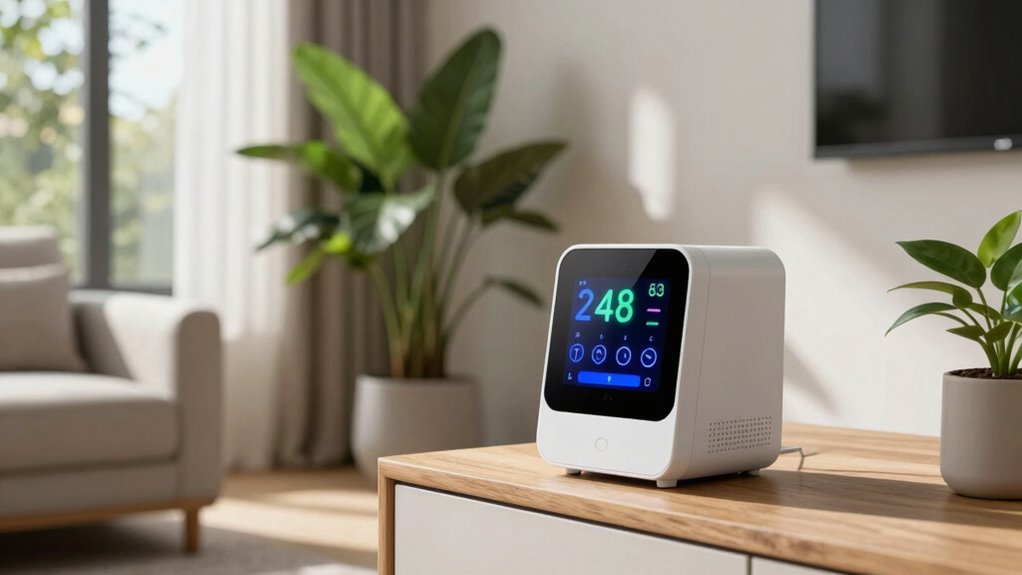
Smart air quality monitors are now common in modern homes. These devices continuously track pollutants, humidity, and temperature, providing real-time data on your indoor environment. When levels of indoor allergens rise, these monitors alert you so you can take action—whether that’s opening a window, turning on an air purifier, or adjusting your ventilation systems. This immediate feedback allows you to respond quickly, reducing exposure to harmful particles and creating a healthier living space.
Smart air quality monitors provide real-time alerts, helping you respond quickly and create a healthier indoor environment.
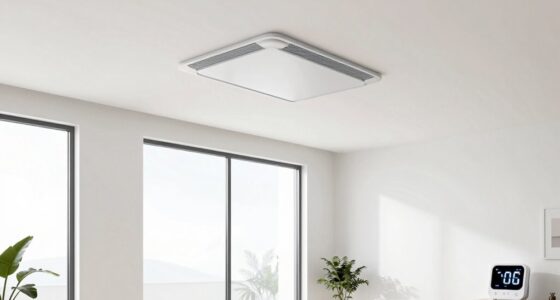
Ventilation systems play a crucial role in maintaining good air quality. Traditional homes often rely on passive ventilation, which might not be enough to keep indoor allergens in check. Modern smart homes integrate advanced ventilation systems that can automatically adjust airflow based on air quality data. These systems help to remove stale air, excess humidity, and airborne pollutants, ensuring your indoor environment stays fresh and safe. By automating ventilation, you don’t have to remember to open windows or turn on fans; the system does it for you, optimizing airflow for better health. Incorporating air quality data into smart home controls can further enhance this process by providing a comprehensive view of your environment.
Your awareness of air quality also influences your daily routines. With smart home integrations, you can set schedules for ventilation or air purification, aligning with times when outdoor pollution levels are low or when you’re home most often. These systems not only help eliminate indoor allergens but also improve overall comfort by maintaining optimal humidity levels, which can prevent mold growth and dust mite proliferation. Additionally, understanding indoor air quality helps you make informed decisions about cleaning routines and home maintenance to further promote a healthier environment.
Investing in smart air quality solutions isn’t just about convenience; it’s about taking control of your environment. You’re empowered to create a healthier home by understanding the air you breathe and making informed decisions. As technology advances, these systems become more intuitive, seamlessly integrating into your lifestyle and providing peace of mind. Recognizing the importance of indoor air quality isn’t just a trend—it’s a vital component of a smart, healthy home that prioritizes your well-being every day. Additionally, smart home technology can enhance your overall indoor environment by integrating air quality data with other smart devices for a comprehensive approach to home health.
smart air quality monitor
As an affiliate, we earn on qualifying purchases.
As an affiliate, we earn on qualifying purchases.
Frequently Asked Questions
How Do Smart Air Quality Monitors Differ From Traditional Air Purifiers?
Smart air quality monitors differ from traditional air purifiers because they actively track your indoor environment using sensors with higher accuracy, providing real-time data on pollutants. Unlike purifiers, which often require manual filter maintenance, these monitors alert you when filters need changing, ensuring better sensor accuracy. This allows you to make informed decisions, improve air quality proactively, and maintain a healthier home environment effortlessly.
Can Air Quality Data Integrate With Other Smart Home Systems?
Yes, air quality data can integrate with other smart home systems, allowing you to automate responses like adjusting ventilation or activating air purifiers. However, integration challenges like compatibility issues and inconsistent data accuracy can arise. To guarantee seamless operation, choose devices that support standard protocols and regularly calibrate sensors. This way, your smart home becomes more responsive, maintaining healthier indoor air quality effortlessly.
What Are the Costs Associated With Implementing Smart Air Quality Solutions?
You’ll find that implementing smart air quality solutions typically costs between $100 and $300 for basic monitors, with advanced systems reaching $1,000 or more. A recent study shows that initial expense considerations often deter homeowners, but a thorough cost analysis reveals long-term savings through energy efficiency and health benefits. While the upfront expense might seem high, investing in smart air quality devices can considerably improve your home environment and well-being.
How Often Should Air Quality Sensors Be Calibrated or Replaced?
You should calibrate your air quality sensors every six months to guarantee accuracy, though some models may need calibration more frequently, especially in polluted environments. Regular sensor maintenance, including cleaning and checking for dust or debris, is vital. Replace sensors if they consistently give inaccurate readings or show signs of wear. Following the manufacturer’s calibration frequency recommendations helps maintain reliable data, keeping your home environment safe and healthy.
Are There Privacy Concerns With Continuous Air Quality Monitoring?
Privacy problems pop up with continuous air quality monitoring, but you can protect yourself. Privacy risks and data security are real concerns, so look for smart devices with strong encryption and transparent data policies. By staying informed and choosing trusted brands, you reduce risks. Regularly review your device settings and permissions to keep your private details protected while enjoying cleaner, healthier indoor air.
automatic ventilation system for smart home
As an affiliate, we earn on qualifying purchases.
As an affiliate, we earn on qualifying purchases.
Conclusion
As you walk into your smart home, the air feels fresh and inviting, a sign of your commitment to air quality awareness. Just like the morning sun filters through your windows, your smart devices seamlessly monitor and improve the air you breathe. This coincidence of technology and well-being creates a space where comfort and health coexist effortlessly. Embracing air quality awareness isn’t just smart—it transforms your home into a sanctuary of clean, breathable air every day.
indoor air purifier with air quality sensors
As an affiliate, we earn on qualifying purchases.
As an affiliate, we earn on qualifying purchases.
smart home air quality sensors
As an affiliate, we earn on qualifying purchases.
As an affiliate, we earn on qualifying purchases.