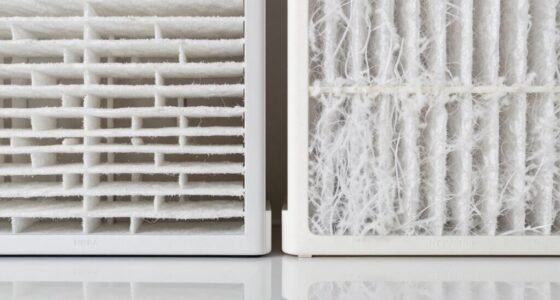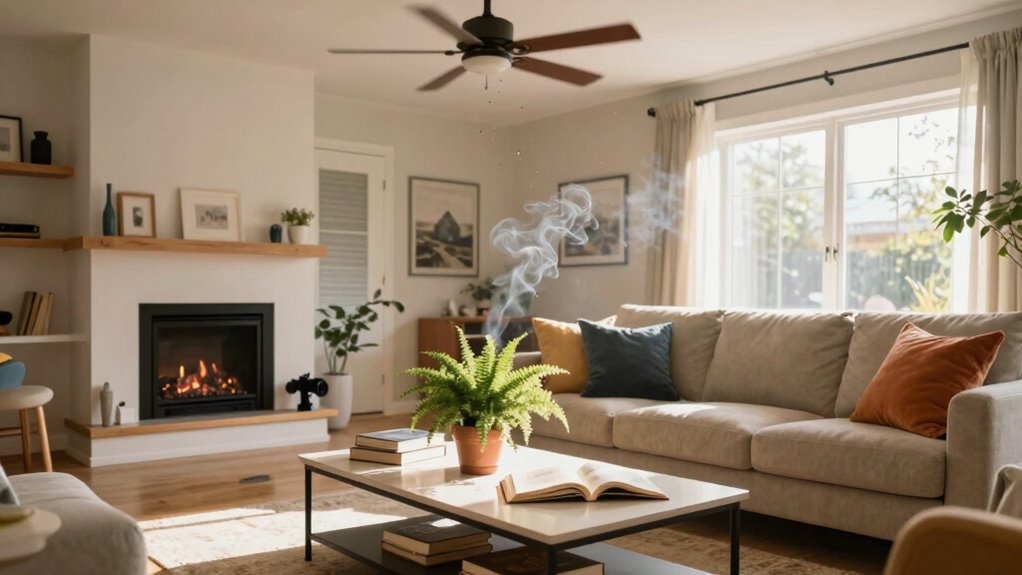

You might be surprised to find that your home’s sealed windows and doors trap pollutants indoors, making the air dirtier than outside. Household chemicals from cleaning products and other items release harmful chemicals, while indoor plants can contribute to pollution if not chosen carefully. Poor ventilation worsens these issues by allowing pollutants to build up. If you want to discover more about how these hidden sources affect your air quality and ways to improve it, keep exploring.
Open a free Amazon Business account
Business pricing, bulk buying and tax-exempt orders.
As an affiliate, we earn on qualifying purchases.
Key Takeaways
- Indoor plants can release pollutants if not carefully selected or maintained.
- Household chemicals and cleaning products emit airborne chemicals that degrade air quality.
- Sealed homes with minimal ventilation trap indoor pollutants, increasing indoor air contamination.
- Modern insulation and sealing reduce airflow, causing pollutants to accumulate indoors.
- Lack of proper ventilation worsens the buildup of chemicals and particulates from various sources.
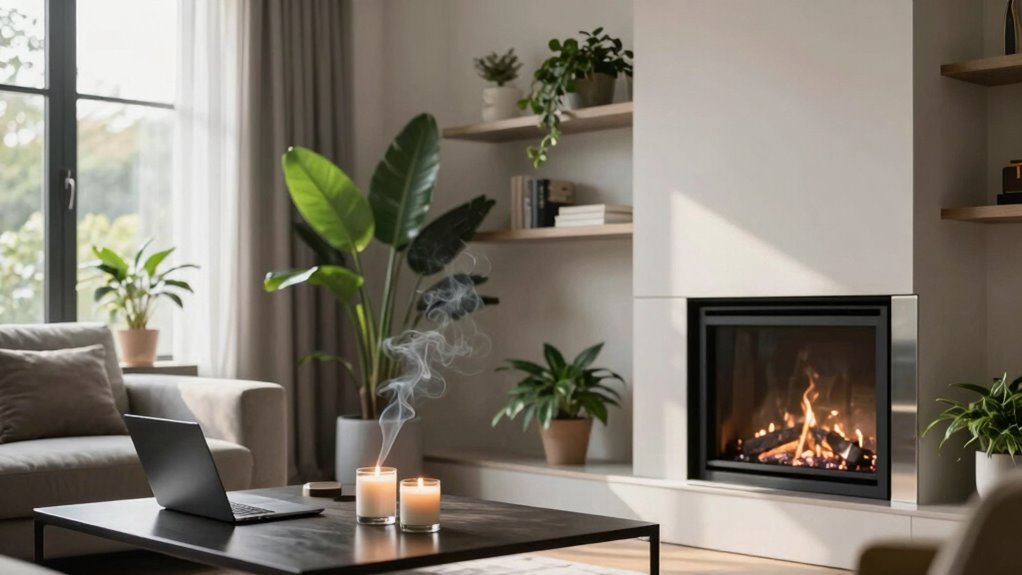
Modern homes often have tightly sealed windows and doors to conserve energy, but this can trap indoor pollutants inside. When you combine that with indoor plants and household chemicals, it creates a perfect storm for deteriorating air quality. Without adequate airflow, these pollutants build up, leading to indoor air that’s more polluted than you might expect. Small changes, like opening windows regularly or using air purifiers, can help clear the air. But awareness is key—you need to recognize that many common household items, including indoor plants and household chemicals, contribute to indoor pollution. By choosing your plants carefully, handling chemicals responsibly, and ensuring good ventilation, you can *considerably* improve your home’s air quality and create a healthier environment for yourself and your family. Recognizing the role of indoor air quality in overall health is crucial for making informed decisions about your home environment. Additionally, understanding the sources of indoor pollution can help you identify and minimize harmful contaminants effectively. Ensuring proper ventilation methods is essential for reducing indoor pollutant levels and maintaining a healthy living space. Proper ventilation helps prevent the buildup of indoor pollutants, especially in tightly sealed homes.
air purifiers for indoor air quality
As an affiliate, we earn on qualifying purchases.
As an affiliate, we earn on qualifying purchases.
Frequently Asked Questions
Can Indoor Plants Improve Air Quality Significantly?
Indoor plants can improve air quality, but their impact is often limited. They offer plant benefits like increased humidity and a calming environment, but their role in air purification isn’t as significant as other methods. While they can remove some toxins and dust, relying solely on plants won’t drastically clean the air. For better results, combine plants with proper ventilation and air purifiers for a healthier home environment.
How Often Should I Clean My HVAC Filters?
You should clean your HVAC filters every 1 to 3 months. Think of filter maintenance like changing the oil in your car—neglect leads to buildup and inefficiency. Regularly replacing filters prevents allergen buildup, keeping your air cleaner and your system running smoothly. If you have pets or allergies, consider checking monthly, as filters can get dirty faster. Consistent upkeep guarantees healthier air and better indoor comfort.
Do Air Purifiers Remove All Indoor Pollutants?
Air purifiers can’t remove all indoor pollutants because of their limitations and varying pollutant removal efficiency. They effectively reduce airborne particles like dust, pollen, and smoke, but struggle with gases, VOCs, and some bacteria. You should supplement an air purifier with proper ventilation and regular cleaning. Relying solely on one device won’t fully guarantee clean indoor air; understanding these limitations helps you better protect your home’s air quality.
Are New Furniture and Carpets Major Sources of Indoor Pollution?
Did you know that new furniture and carpets can release off-gassing chemicals for years? Yes, they’re major sources of indoor pollution, often hiding mold in hidden spots. These off-gassing chemicals can linger and impact your health, especially in enclosed spaces. When you bring new items home, make certain proper ventilation and consider air purifiers to reduce exposure to these unseen pollutants.
Can Cooking Methods Affect Indoor Air Quality?
Yes, cooking methods greatly affect your indoor air quality. Cooking fumes release particles, gases, and volatile organic compounds that can linger in your home. To reduce this, use effective kitchen ventilation like range hoods or open windows while cooking. Proper ventilation helps clear out these pollutants quickly, minimizing your exposure to indoor air pollution. So, always guarantee good airflow during and after cooking to keep your indoor environment healthier.
As an affiliate, we earn on qualifying purchases.
Conclusion
So, next time you’re pondering what’s lurking in your palace, remember that even the most modern castles hide dirty secrets—be it dust mites, cleaning products, or sneaky mold. Don’t let your humble abode turn into a veritable plague house. Stay vigilant, clean regularly, and keep the air fresh as a spring day. After all, in this age of progress, it’s wise to heed the wisdom of the ages: cleanliness is next to godliness, even in a digital age.
As an affiliate, we earn on qualifying purchases.
air purifiers for dust and pollen
As an affiliate, we earn on qualifying purchases.
As an affiliate, we earn on qualifying purchases.
NFL season / tailgating Picks
team gear
As an affiliate, we earn on qualifying purchases.