
To maintain good indoor air quality, the recommended ACH varies by setting. For homes, aim for about 0.35 to 0.5 ACH, especially if natural ventilation is employed. In commercial or healthcare spaces, guidelines often suggest at least 6 ACH or higher to reduce pollutants and ensure safety. Standards depend on room purpose, occupancy, and regulations, so understanding these details helps optimize your ventilation needs. Further insights clarify how to meet these standards effectively.
Key Takeaways
- ACH measures how many times indoor air is replaced per hour, indicating ventilation efficiency and air quality.
- Residential settings typically require ACH levels of 0.35 to 0.5, while commercial and healthcare spaces often need ≥6 ACH.
- Standards depend on space use, occupancy, local regulations, and the need to remove pollutants, odors, and humidity.
- Regularly assess and adjust ventilation systems, using measurements and natural ventilation to maintain recommended ACH levels.
- Enhancing ACH involves upgrading HVAC filters, installing air purifiers, and maintaining ventilation infrastructure for optimal indoor air quality.
Have you ever wondered how often the air in a room is replaced? This simple question touches on a critical aspect of maintaining a healthy indoor environment: ventilation. The rate at which indoor air is refreshed is measured by Air Changes per Hour (ACH), a standard that indicates how many times the total volume of air in a space gets replaced within an hour. Understanding ACH is essential because it directly impacts ventilation efficiency and, ultimately, indoor air quality. When ventilation is insufficient, pollutants, allergens, and humidity can accumulate, leading to discomfort or health issues. Conversely, too high a rate might cause drafts or energy inefficiency. Striking the right balance involves knowing recommended ACH levels for different settings and ensuring your ventilation systems meet those standards.
Understanding ACH helps optimize indoor air quality and maintain a healthy, comfortable environment.
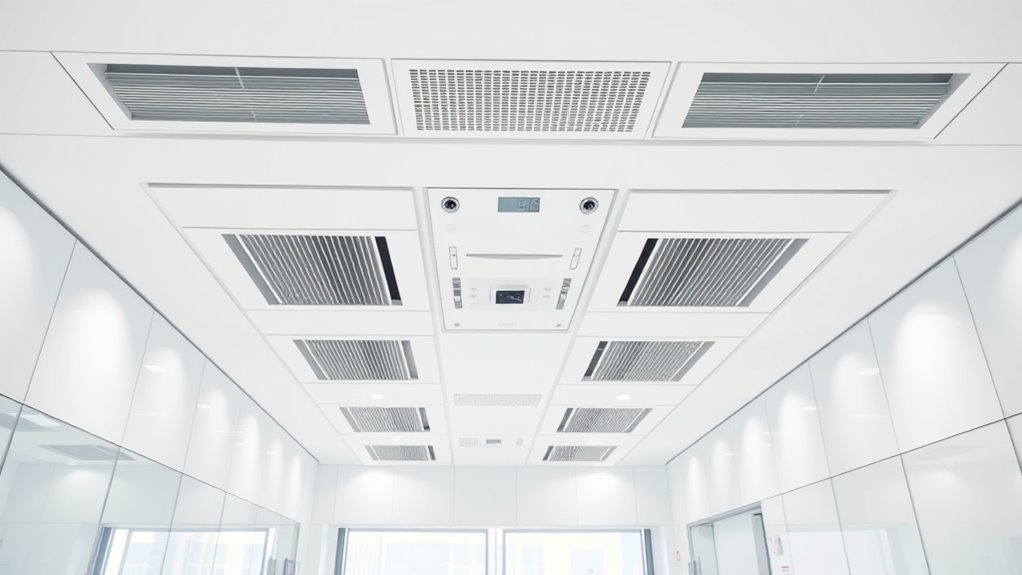
In residential environments, a typical ACH of around 0.35 to 0.5 is often sufficient for good indoor air quality, especially when combined with natural ventilation like opening windows. For commercial spaces, hospitals, or laboratories, the standards are more stringent—often requiring 6 or more ACH to reduce airborne contaminants effectively. These recommended levels are designed to optimize ventilation efficiency, ensuring that fresh air dilutes indoor pollutants adequately without wasting energy. When your space adheres to these standards, you create a healthier environment where indoor air quality flourishes, reducing the risk of respiratory issues and creating a more comfortable atmosphere.
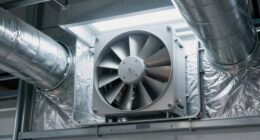
Achieving the appropriate ACH involves assessing your current ventilation system and making adjustments if needed. For example, upgrading your HVAC system to include high-efficiency filters or installing air purifiers can help improve ventilation efficiency. Properly maintained exhaust fans and ventilation ducts also play a vital role in ensuring the air is replaced frequently enough. Remember, ventilation isn’t just about quantity; it’s about quality too. Adequate air exchange rates help remove odors, moisture, and airborne pollutants, which are crucial for maintaining a safe and comfortable indoor environment. Additionally, understanding the role of creativity in problem-solving can inspire innovative solutions for improving indoor air quality through better design and technology integration.
It’s important to note that ACH standards aren’t static—they depend on the space’s use, occupancy, and local building codes. Regularly measuring indoor air quality and monitoring ventilation rates can help you determine if your space meets recommended ACH levels. If not, adjusting your ventilation system or increasing natural ventilation can make a significant difference. Ultimately, understanding and applying ACH standards allows you to control indoor air quality effectively, ensuring your environment remains fresh, healthy, and safe for everyone inside.
Frequently Asked Questions
How Is ACH Measured in Different Building Types?
You measure ACH in different building types by evaluating ventilation effectiveness through various measurement techniques. For example, in offices, you might use tracer gas tests or anemometers to assess airflow, while in hospitals, continuous monitors track air exchange rates. The specific method depends on the building’s purpose and design, ensuring accurate ACH readings to maintain ideal indoor air quality and comply with safety standards.
What Are the Health Impacts of Low ACH Rates?
If your ACH rates are too low, you risk compromising indoor air quality, leading to health issues you might not notice immediately. Poor ventilation effectiveness allows pollutants, allergens, and pathogens to linger, increasing allergy symptoms, respiratory problems, and even infections. Over time, these effects can worsen, impacting your overall well-being. Ensuring adequate ACH keeps the air fresh, supporting healthier indoor environments and reducing long-term health risks.
How Does ACH Influence Energy Consumption?
You’ll notice that increasing ACH improves ventilation efficiency, which helps maintain indoor air quality. However, higher ACH also means your HVAC system works harder, increasing energy consumption. To balance health benefits and energy savings, you should optimize ACH levels based on occupancy and use. Properly managed ACH can reduce unnecessary energy use while ensuring good air quality, making your system more efficient and cost-effective.
Are There International ACH Standards for Hospitals?
Did you know that many countries follow specific ACH regulations for hospital ventilation? International ACH standards for hospitals vary, but organizations like WHO recommend 6-12 ACH for general wards and up to 15 for operating rooms. These standards guarantee proper air quality and infection control. While not uniform worldwide, countries often adapt their ACH guidelines to meet safety and health requirements, emphasizing the importance of consistent hospital ventilation practices.
Can ACH Be Manually Adjusted in Existing HVAC Systems?
Yes, you can manually adjust ACH in existing HVAC systems through ventilation control settings. By modifying dampers, fan speeds, or airflow rates, you can increase or decrease ventilation to meet specific needs. However, it’s important to understand the system’s capabilities and guarantee manual adjustments don’t compromise safety or efficiency. Always follow manufacturer guidelines and consider consulting an HVAC professional for ideal ventilation control.
Conclusion
So, next time you breathe in that “fresh” office air, remember—without proper ACH standards, you’re basically inhaling a cocktail of unseen germs and stale air. Imagine your lungs as party guests, desperately craving fresh music and drinks, but instead stuck in a crowded, poorly ventilated room. Don’t let your health be the uninvited guest at the air quality party. Keep those air changes high enough, or risk turning your lungs into a ghost town of stale air!