Wildfire smoke differs from dust because it contains toxic chemicals and tiny particles that can penetrate deep into your lungs and bloodstream, posing serious health risks. Dust may be filtered with simple masks or basic filters, but wildfire smoke requires specialized filtration, like HEPA filters, and keeping windows closed. Understanding the unique composition helps you choose better protection. To learn how to effectively safeguard yourself during wildfires, keep exploring these essential differences.
Key Takeaways
- Wildfire smoke contains toxic chemicals and fine particles that penetrate deeper into lungs and bloodstream than dust.
- HEPA filters are essential for wildfire smoke, as they effectively remove chemical-laden particulate matter.
- Unlike dust, wildfire smoke requires tailored filtration due to its chemical composition and health risks.
- Keeping windows and doors closed prevents outdoor smoke infiltration, critical during wildfire events.
- Monitoring air quality and using indoor filtration strategies are vital to mitigate severe health impacts from wildfire smoke.

When wildfires rage, the smoke they produce can quickly degrade air quality and pose serious health risks. Unlike dust, wildfire smoke contains tiny particulate matter and toxic chemicals that can penetrate deep into your lungs and even enter your bloodstream. This makes it crucial to adopt a clean-air strategy tailored specifically to wildfire smoke, rather than relying on methods used for dust or other airborne pollutants. You need to focus on indoor filtration and effective public health messaging to protect yourself and your loved ones.
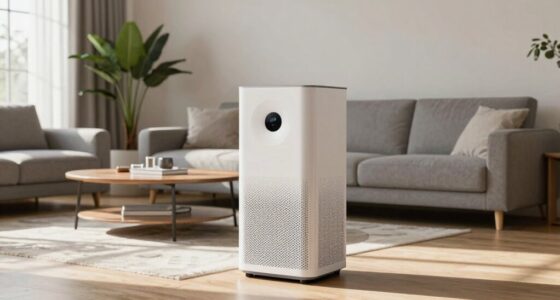
Indoor filtration becomes a critical tool during wildfire events. High-efficiency particulate air (HEPA) filters are particularly effective at capturing the fine particles found in wildfire smoke. Using portable air purifiers equipped with HEPA filters can considerably reduce indoor pollutant levels, creating a safer environment. It’s important to keep windows and doors closed to prevent outdoor smoke from seeping in, and to maintain proper ventilation with filtered air. Regularly replacing or cleaning filters ensures ongoing effectiveness. These measures help you breathe easier and minimize exposure to harmful toxins that are abundant in wildfire smoke. Additionally, understanding the chemical composition of wildfire smoke can help you better appreciate the importance of tailored protective measures. Being aware of the toxins present can guide you in choosing the most effective filtration and protective strategies. Furthermore, staying informed about the air quality index during wildfire events allows you to make timely decisions about indoor safety.
Public health messaging plays an equally important role during wildfire seasons. Clear, accessible information about the dangers of wildfire smoke helps you understand when to stay indoors and how to improve indoor air quality. Authorities should emphasize the importance of indoor filtration and advise on the use of air purifiers, especially for vulnerable groups like children, the elderly, and those with respiratory conditions. Messaging should also include guidance on recognizing symptoms of smoke exposure and when to seek medical attention. Effective communication reassures you that taking proactive steps can greatly reduce health risks and emphasizes the significance of public health messaging in managing wildfire-related health concerns.
HEPA air purifier for wildfire smoke
As an affiliate, we earn on qualifying purchases.
As an affiliate, we earn on qualifying purchases.
Frequently Asked Questions
How Long Do Wildfire Smoke Particles Stay Airborne?
Wildfire smoke particles can stay airborne for hours to days, depending on conditions. The airborne duration varies with wind speed, temperature, and particle size, influencing how far and long they disperse. Smaller particles linger longer and disperse farther, impacting air quality over large areas. You should stay indoors, use air purifiers, and limit outdoor activities during heavy smoke to reduce exposure, especially when particle dispersion lasts multiple days.
What Are the Health Effects of Wildfire Smoke Exposure?
You’ll feel the impact of wildfire smoke through irritations like coughing, sore throat, and breathing difficulties, especially if you have asthma or heart issues. To protect yourself, use indoor filtration systems during smoky days, and stay aware through public awareness campaigns. Remember, prolonged exposure can lead to more severe health problems, so act quickly—because in this case, prevention is your best defense against the harmful effects of wildfire smoke.
How Do Wildfire Smoke and Dust Differ Chemically?
Wildfire smoke and dust differ mainly in their chemical composition and particle behavior. Wildfire smoke contains complex chemicals like carbon monoxide, volatile organic compounds, and fine particulate matter from burning organic material, which can penetrate deep into your lungs. Dust, however, mostly consists of mineral particles like silica and clay, with larger particles that tend to settle quickly. This difference in chemical makeup and particle behavior influences how each affects your health and air quality strategies.
Are Current Air Filters Effective Against Wildfire Smoke?
Ever wonder if your air filter can truly handle wildfire smoke? Most current air filters are effective for dust but have limitations with smoke filtration, especially for tiny particulate matter from wildfires. HEPA filters excel in trapping smoke particles, but many standard filters fall short. To protect yourself, choose filters rated for smoke and upgrade to high-efficiency models, ensuring better filtration and cleaner indoor air during wildfire events.
What Policies Can Improve Wildfire Smoke Air Quality?
Implement policies focused on wildfire mitigation and urban planning to improve air quality during wildfires. You can support stricter land management and firebreaks to reduce wildfire spread. Promoting green spaces and better zoning can limit smoke exposure in communities. Additionally, investing in air filtration infrastructure and encouraging evacuation plans help protect residents. These strategies reduce smoke infiltration, ensuring cleaner air and safer environments during wildfire seasons.
portable air purifier with HEPA filter
As an affiliate, we earn on qualifying purchases.
As an affiliate, we earn on qualifying purchases.
Conclusion
You now see that wildfire smoke and dust demand different clean-air strategies, like tailoring a key to fit a unique lock. Wildfire smoke’s complex mix is a puzzle that requires specific solutions, not just a one-size-fits-all approach. By understanding these differences, you can better protect your lungs and your community. Remember, a clear sky isn’t just about the air—it’s about the right strategies working together, like a symphony that keeps our atmosphere healthy and vibrant.
As an affiliate, we earn on qualifying purchases.
high-efficiency particulate air (HEPA) filter replacement
As an affiliate, we earn on qualifying purchases.
As an affiliate, we earn on qualifying purchases.