To quickly improve indoor air quality during wildfires, seal windows, vents, and gaps using weatherstripping, plastic sheeting, or vent covers. Set up HEPA air purifiers in common areas to rapidly remove smoke particles. Keep windows and doors closed and avoid activities that add indoor pollutants. For the best protection, monitor outdoor air quality and ventilate only during cleaner air periods. Want to know more effective tips? Keep exploring how to keep the smoke out fast.

Get home appliances delivered free — and shop member deals
- Fast, free delivery on millions of items
- Access to Prime Big Deal Days deals on October 6–7
- Prime Video, Amazon Music and more included
Key Takeaways
- Use portable HEPA air purifiers in main living areas to quickly filter out wildfire smoke particles.
- Seal gaps around windows, doors, and vents with weatherstripping or plastic sheeting to prevent outdoor smoke entry.
- Keep windows and exterior doors closed during smoke events to minimize indoor pollution.
- Temporarily shut off exhaust fans that draw outdoor air inside, and ventilate only when air quality improves.
- Arrange furniture to optimize airflow toward air purifiers, ensuring effective indoor smoke filtration.
HEPA air purifier for wildfire smoke
As an affiliate, we earn on qualifying purchases.
As an affiliate, we earn on qualifying purchases.
How to Check Indoor Air Quality During Wildfire Season

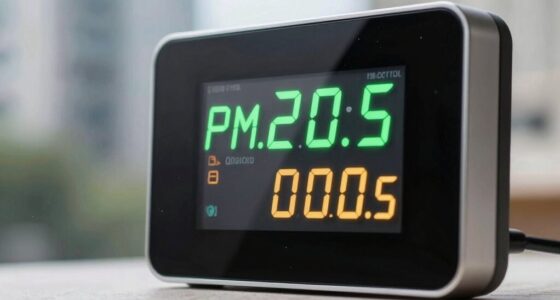
During wildfire season, monitoring your indoor air quality is vital to protect your health. Start by using air quality sensors, which provide real-time data on pollutants like particulate matter and smoke particles. These devices are easy to set up and give you immediate feedback, helping you decide when to take action. Additionally, indoor air testing can offer a more detailed analysis of pollutants that sensors might miss, such as volatile organic compounds (VOCs). Regular testing ensures you’re aware of any harmful buildup inside your home. Keep in mind that maintaining good indoor air quality is an ongoing process, especially during wildfire season, so make certain your sensors are calibrated and your testing is up to date. This proactive approach helps you stay informed and safer. Moreover, understanding the impact of Silly tantrums and pet antics in home environments can help you better interpret unusual indoor air quality readings during this time. Being aware of air quality fluctuations and how home activities can influence indoor pollution levels can also enhance your awareness and response strategies. For example, ventilation practices play a critical role in managing indoor air quality during smoke events, and incorporating air filtration systems can further improve indoor air by reducing residual pollutants and smoke particles. Additionally, ensuring proper humidity control can help prevent mold growth and reduce dust mites, further improving indoor air quality.
As an affiliate, we earn on qualifying purchases.
Seal Windows and Vents to Block Smoke Effectively

Sealing your windows and vents is one of the most effective ways to prevent outdoor wildfire smoke from infiltrating your home. Start with window sealing by applying weatherstripping or foam tape around window frames to block gaps. Use plastic sheeting or window film for extra protection, especially during high smoke periods. For vents, vent blocking is essential—cover vents with airtight materials like tape or specialized vent covers. Make sure all gaps around window sashes and vent openings are tightly sealed. This prevents smoke particles from sneaking inside and reduces indoor air pollution. Regularly check and maintain these seals to keep your home as airtight as possible. Understanding air infiltration helps you better address potential leak points and improve your home’s defenses. Additionally, inspecting and sealing any cracks or openings around utility penetrations and door frames further enhances your smoke mitigation efforts. Proper home sealing techniques are crucial for maintaining a healthier indoor environment during wildfire events. Using airtight sealing methods can significantly improve your indoor air quality during smoke events. By focusing on proper window sealing and vent blocking, you considerably cut down the amount of outdoor smoke entering your living space.
vent cover for indoor air quality
As an affiliate, we earn on qualifying purchases.
As an affiliate, we earn on qualifying purchases.
Use HEPA Air Purifiers for Fast Smoke Removal

When wildfire smoke threatens indoor air quality, using HEPA air purifiers provides a quick and effective solution. HEPA filters are designed to trap tiny smoke particles, considerably improving the air you breathe. Place the purifier in the main living area or where you spend the most time to maximize its impact. Keep windows and doors closed to prevent new smoke from entering and let the purifier do its job. Running the device continuously helps remove lingering smoke particles rapidly, restoring cleaner air faster. Regularly check and replace filters as recommended to maintain peak performance. Using a HEPA air purifier is one of the most efficient ways to enhance air quality indoors during wildfire events, giving you peace of mind and healthier indoor air. Proper air filtration techniques can further optimize your indoor air quality during wildfire smoke episodes. Additionally, selecting appliances with energy-efficient features can help reduce overall power consumption while managing indoor air quality effectively. Incorporating advanced filtration methods can also boost the effectiveness of your air purification efforts during smoky periods. Proper placement of the purifier and ensuring regular maintenance will help sustain optimal performance and air quality.
As an affiliate, we earn on qualifying purchases.
Ventilate Your Home Safely During Wildfires

While it’s important to bring fresh air into your home, you must do so carefully during wildfires. Opening windows can let in smoke, so use window sealing techniques to minimize indoor pollutant entry when ventilation isn’t necessary. When outdoor air quality improves, ventilate briefly, but turn off exhaust fans that can draw smoke inside. Before doing so, ensure your air purifier maintenance is up to date; a clean filter helps filter any remaining particles. Use a window fan to create positive pressure, pushing cleaner air out and preventing smoky air from entering. Always monitor local air quality reports to determine safe ventilation times, and avoid prolonged outdoor exposure. Proper window sealing and air purifier maintenance are key to maintaining a safe indoor environment during wildfire events. Regularly checking and maintaining your indoor air quality gear ensures optimal performance during these situations. Additionally, understanding net worth growth hacks can help you invest in better home safety equipment or air filtration systems, enhancing your overall preparedness. Incorporating indoor air quality monitoring devices can provide real-time data to better inform your ventilation decisions. Remember that ventilation strategies are essential for balancing fresh air intake with smoke prevention, especially during high pollution periods.
Keep Monitoring and Maintaining Your Indoor Air System

Maintaining your indoor air system is essential to guarantee it continues to effectively filter out wildfire smoke. Regularly check and replace air filters to ensure peak performance; consider air filter upgrades if your current filters aren’t capturing fine particles. Additionally, keep an eye on your system’s airflow and clean vents and ducts as needed. Proper airflow around the unit enhances performance and prevents dust buildup. Indoor plants also play a role in improving air quality by naturally filtering pollutants and increasing humidity, so incorporate plants with benefits in mind. Ensuring proper air filter maintenance is key to optimal performance. Regular system inspections can help identify potential issues before they impact air quality. Monitoring your indoor air quality with air quality monitors allows you to stay informed about pollutant levels and take timely action. Incorporating ventilation strategies, such as opening windows when outdoor air quality permits, can further improve indoor air conditions. By staying proactive with maintenance, upgrading filters, and leveraging indoor plant benefits, you’ll create a healthier indoor environment that minimizes wildfire smoke exposure.
Frequently Asked Questions
Can Wildfire Smoke Harm Indoor Plants and Pets?
Wildfire smoke can harm your indoor plants and pets. The smoke’s toxins may cause plant toxicity, leading to wilting or damage. For pets, inhaling smoke can impair respiratory health, resulting in coughing or difficulty breathing. To protect both, make certain of good ventilation, keep pets away from smoky areas, and remove or limit exposure to affected plants. These steps help safeguard your loved ones from the harmful effects of wildfire smoke indoors.
How Often Should I Replace Air Filters During Wildfire Season?
You should replace your air filters more often during wildfire season, ideally every 1 to 2 months, depending on your filter’s lifespan and your indoor air quality. Check the filter regularly — if it looks dirty or clogged, replace it sooner. Increasing filter replacement frequency helps maintain good indoor air quality, reduces smoke particles, and keeps your HVAC system running efficiently during smoky conditions.
Are DIY Air Purifiers Effective Against Wildfire Smoke?
DIY air purifiers are like a lighthouse guiding you through smoky waters—effective if built correctly. While they can help reduce wildfire smoke indoors, their effectiveness varies based on design and components. Using high-efficiency filters and proper fans boosts performance. For best results, combine DIY solutions with sealed windows and air filtration systems. Remember, a well-made DIY air purifier can be a valuable shield, but it’s no substitute for professional-grade options.
What’s the Best Way to Prevent Smoke From Entering Through Doors?
To prevent smoke from entering through doors, you should use door draft stoppers and seal gaps around the door frame. Place draft stoppers at the bottom of your doors to block smoke sneaking in from the outside. Additionally, seal any gaps or cracks around the door frame with weatherstripping or caulk. These simple steps create a barrier, markedly reducing smoke infiltration and keeping your indoor air cleaner.
How Does Indoor Humidity Affect Smoke Particles and Air Quality?
You’ll find that proper humidity control helps reduce smoke particle dispersion indoors, improving air quality. When humidity is too low, smoke particles stay airborne longer, making the air feel smoky and unhealthy. Keeping humidity around 40-60% helps trap particles and settle them faster. This simple adjustment can notably improve your indoor air, making it less smoky and healthier to breathe, especially during wildfire season.
Conclusion
By staying proactive and following these quick steps, you can substantially improve your indoor air quality during wildfire season. It’s almost like the smoke is trying to sneak in, but with the right setup, you’re always a few simple actions away from a safer, healthier home. So, as wildfire threats rise, remember that a little effort now can make all the difference—protecting your space and peace of mind when it matters most.
Fall Picks
fall essentials
As an affiliate, we earn on qualifying purchases.