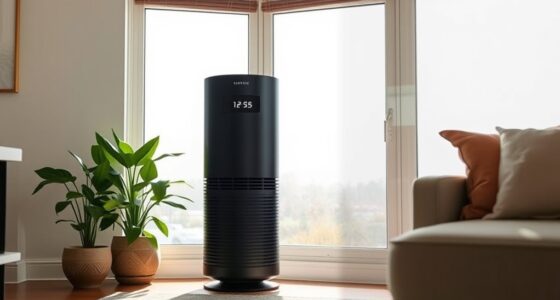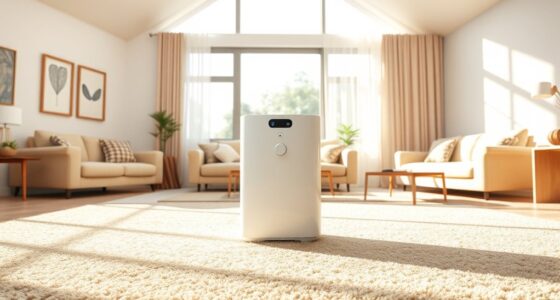
Ozone is used in air purification for its ability to neutralize odors, bacteria, and mold. However, it can pose serious health risks if levels are too high, causing respiratory irritation and worsening asthma symptoms. While some devices claim to be safe, many emit ozone beyond recommended limits, especially in occupied spaces. To protect yourself, it’s better to take into account safer alternatives like HEPA filters and verify any ozone-generating device meets safety standards if used appropriately. If you want to understand more about its safety, keep exploring.
Key Takeaways
- Ozone effectively neutralizes odors, bacteria, and mold but poses health risks at high concentrations.
- Regulatory standards recommend maintaining indoor ozone levels below 0.05 ppm for safety.
- Many ozone generators emit unsafe ozone levels, especially if used improperly or without regulation.
- Using ozone in unoccupied spaces minimizes health risks; continuous exposure in occupied areas is unsafe.
- Safer air purification options include HEPA filters and other non-ozone-based methods.

Have you ever wondered how ozone is used to improve indoor air quality? Ozone, a molecule composed of three oxygen atoms, is often employed in air purification systems due to its strong oxidative properties. When used correctly, it can effectively neutralize certain odors, bacteria, and mold spores. However, understanding the health effects and regulatory standards surrounding ozone use is vital before deciding if it’s a safe choice for your indoor environment. While ozone can be beneficial at removing pollutants, it also poses potential health risks if misused or improperly regulated. Exposure to high concentrations of ozone can cause respiratory irritation, worsen asthma symptoms, and even compromise lung function over time. That’s why regulatory agencies like the Environmental Protection Agency (EPA) and the Occupational Safety and Health Administration (OSHA) have established strict standards to limit ozone levels indoors. These standards aim to balance its effectiveness against airborne contaminants with the need to protect human health. Typically, the EPA recommends maintaining ozone levels below 0.05 parts per million (ppm) in occupied spaces, a threshold set to prevent adverse health effects. Many air purifiers marketed as ozone generators claim to eliminate odors and airborne pathogens, but if they emit ozone beyond these regulated levels, they can do more harm than good. It’s important to verify that any air cleaning device complies with these standards and to avoid devices that produce ozone as a byproduct without proper controls. You should also be aware that even low levels of ozone lingering in your indoor environment can cause discomfort, especially for sensitive groups like children, the elderly, or individuals with respiratory conditions. While some manufacturers emphasize ozone’s ability to disinfect and deodorize, safety comes first. Using ozone generators in unoccupied spaces or in combination with proper ventilation can reduce health risks, but continuous exposure should be avoided. If you’re considering ozone-based air purification, make sure to research thoroughly, check regulatory guidelines, and prioritize devices certified to produce ozone within safe limits. Understanding ozone’s health effects and conforming to regulatory standards ensures you’re making an informed decision about whether ozone can be a safe and effective component of your air quality management. In many cases, alternative air purification methods, such as HEPA filters, may offer safer solutions without the potential health risks associated with ozone.
Frequently Asked Questions
Can Ozone Therapy Be Used for Medical Treatments Safely?
You can use medical ozone therapy safely if you follow strict safety guidelines established by healthcare professionals. Medical ozone involves controlled doses of ozone administered under supervision, reducing risks. Confirm your provider is trained and adheres to safety standards to minimize side effects. Always discuss your health condition with a qualified practitioner before starting medical ozone treatments, as improper use can cause adverse effects.
Are All Ozone Generators Equally Effective for Air Purification?
You might think all ozone generators are equally effective, but that’s not true. Investigating the effectiveness differences reveals that ozone generator variations substantially impact their ability to purify air. Some models produce higher ozone levels, which can be more effective but also pose health risks. Always check the specifications and ozone output levels of different generators to ensure you’re choosing a safe and efficient option for air purification.
How Does Ozone Compare to Other Air Cleaning Technologies?
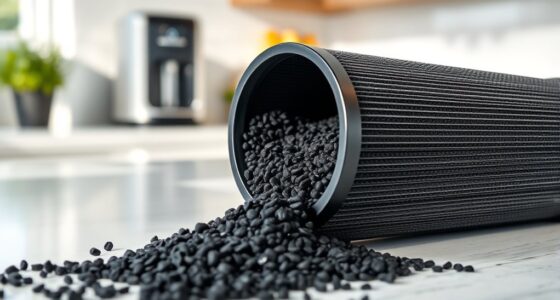
Ozone differs from UV sterilization and activated carbon in effectiveness and safety. While ozone can break down odors and bacteria, it can also pose health risks if not managed properly. UV sterilization kills germs without chemicals, and activated carbon absorbs pollutants safely. You should weigh these options carefully, considering ozone’s potential hazards versus its odor removal ability, and prefer safer, proven technologies like UV or activated carbon for regular air purification.
What Are the Long-Term Health Effects of Ozone Exposure?
You might not realize that prolonged ozone exposure can increase respiratory issues by up to 30%. This can worsen air quality and damage your respiratory health over time. Breathing in ozone can cause coughing, throat irritation, and lung inflammation, especially for sensitive groups. Staying aware of ozone levels helps protect your long-term health, ensuring cleaner air and healthier lungs. Always prioritize safe air purification methods to avoid these risks.
Is Ozone Safe for Use Around Children and Pets?
Ozone isn’t safe for use around children and pets because it can irritate their lungs and worsen asthma. For indoor safety, avoid ozone-generating devices in spaces with kids or animals. Protect your loved ones by choosing air purifiers that don’t produce ozone, and always read product labels carefully. Child protection is paramount, so opt for safer, ozone-free options to guarantee a healthy environment indoors.
Conclusion
So, next time you crank up that ozone generator, remember you’re inviting a tiny, invisible superhero—if superheroes caused lung irritation and headaches. Sure, it clears the air, but at what cost? You might just trade bad odors for a whiff of respiratory drama. Honestly, who needs a superhero that leaves you breathless? Maybe stick to good old-fashioned ventilation. After all, nothing beats fresh air—unless you enjoy a side of coughs with your clean air.