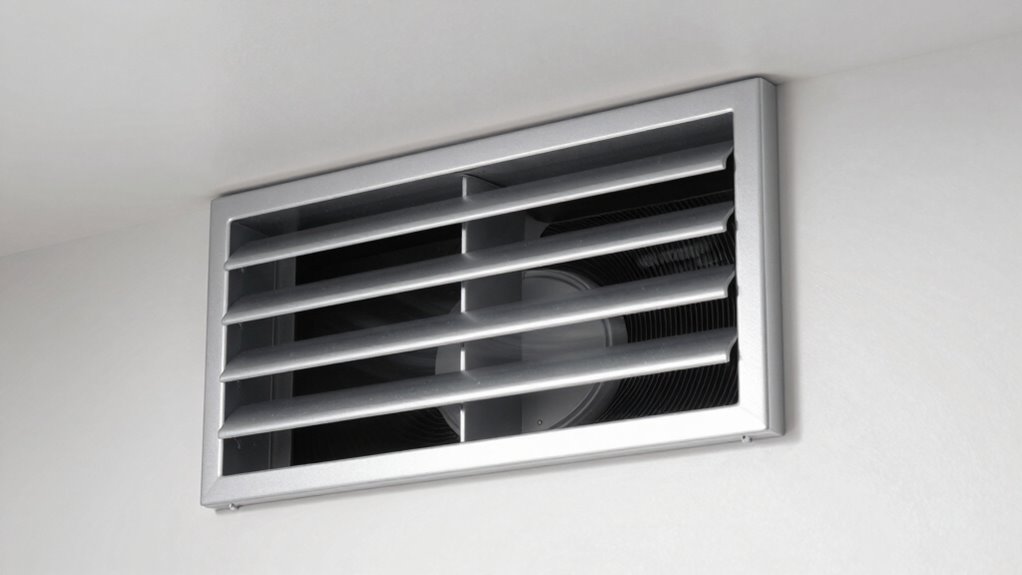

Improving your HVAC’s airflow can make it feel more effective by reducing the workload on your system and preventing issues like uneven temperatures and stale air. When airflow is optimized through regular maintenance, cleaning filters, and ensuring vents are unobstructed, your system circulates fresh air better, boosts energy efficiency, and extends its lifespan. Keeping airflow clear and balanced is key to lasting comfort—stick around to discover simple ways to upgrade your system’s performance.

Get home appliances delivered free with Prime
- Fast, free delivery on millions of items
- Prime Video, Amazon Music and more included
- Member-only deals all year
Key Takeaways
- Installing high-quality air filters to improve airflow and enhance system efficiency.
- Ensuring vents and registers are unobstructed for better air circulation throughout the home.
- Upgrading to a more powerful or variable-speed blower fan for consistent airflow.
- Sealing ductwork to prevent leaks and maximize airflow delivery.
- Regularly cleaning and maintaining filters, vents, and ducts for optimal airflow performance.
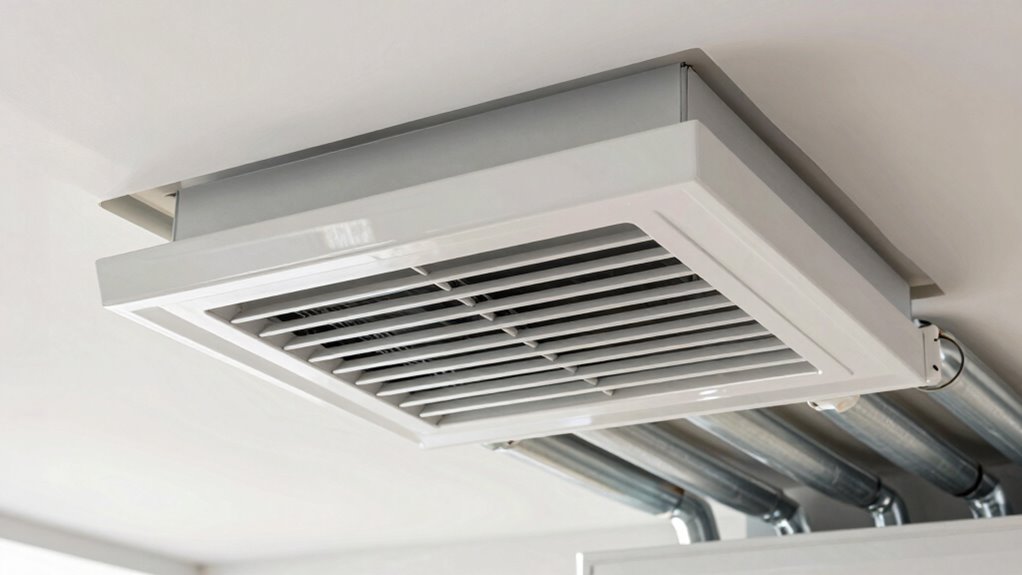
If your HVAC system isn’t performing as well as you’d like, the problem might be as simple as airflow issues. Poor airflow can cause your system to work harder than necessary, leading to decreased indoor air quality and reduced energy efficiency. When airflow is restricted or uneven, your system struggles to circulate air properly, which means you might notice uneven temperatures or stale air lingering in your home.
Poor airflow can cause your HVAC to work harder, lowering efficiency and indoor air quality.
Upgrading your airflow isn’t just about improving comfort; it directly impacts indoor air quality. When airflow is optimized, fresh air circulates more effectively, diluting pollutants, allergens, and humidity that can compromise your health. Better airflow also supports air filtration, helping to trap and remove airborne particles more efficiently, which further enhances indoor air quality. As a result, you breathe cleaner air, and your home feels fresher overall.
Energy efficiency is another critical benefit of enhancing airflow. When air moves freely through your system, your HVAC doesn’t have to work as hard to reach and maintain your desired temperature. This reduction in workload translates into lower energy bills and less wear and tear on your equipment. Proper airflow ensures your system reaches set temperatures faster and maintains them consistently, avoiding the constant cycling that wastes energy and shortens your system’s lifespan. Additionally, regular maintenance of components like filters and vents can further improve airflow efficiency, ensuring your system operates at its best.
high efficiency air filters for HVAC
As an affiliate, we earn on qualifying purchases.
As an affiliate, we earn on qualifying purchases.
Frequently Asked Questions
How Long Does an Airflow Upgrade Typically Take?
An airflow upgrade usually takes about 4 to 8 hours, depending on your home’s size and system complexity. During this time, your HVAC system’s air quality improves, and indoor comfort becomes more consistent. You’ll notice better circulation and less hot or cold spots. Scheduling the upgrade during a day when you can stay home guarantees you get the most out of the process, optimizing your system’s performance quickly.
Is an Airflow Upgrade Suitable for All HVAC Systems?
An airflow upgrade isn’t suitable for all HVAC systems; it depends on your system’s compatibility and your home’s air quality needs. You should assess whether your system can handle increased airflow without strain. If your system is compatible, an upgrade can substantially improve air quality and comfort. However, consulting a professional ensures the upgrade is appropriate for your HVAC setup, maximizing benefits while avoiding potential issues.
Will an Airflow Upgrade Increase Energy Bills?
An airflow upgrade can slightly increase your energy bills initially, but it often boosts system efficiency and improves air quality. By enhancing airflow, your HVAC works more effectively, reducing strain and potentially lowering long-term energy costs. You’ll notice better air circulation and cleaner air, creating a healthier environment. While there may be a small upfront increase, the overall benefits include more efficient operation and improved air quality, making it a worthwhile investment.
Can I Upgrade Airflow Myself or Need Professional Help?
You can try a DIY installation if you’re confident and careful, but it’s best to seek a professional assessment first. A pro can evaluate your system, identify the best upgrade options, and guarantee proper installation. DIY upgrades might seem simple, but improper work can cause inefficiency or damage. For ideal airflow and energy efficiency, consulting a professional guarantees a safer, more successful upgrade that keeps your HVAC running smoothly.
How Often Should I Maintain the Upgraded Airflow System?
You should maintain your upgraded airflow system every 1 to 3 months to guarantee the best air quality and system performance. Regularly check and replace filters, clean vents, and inspect for blockages to keep airflow smooth. This routine upkeep helps prevent dust buildup, maintains energy efficiency, and promotes healthier indoor air. Staying consistent with maintenance ensures your HVAC system continues to operate effectively and provides the fresh, clean air you need.
As an affiliate, we earn on qualifying purchases.
Conclusion
Upgrading your airflow can make your HVAC feel up to 30% more efficient, saving you energy and money. When you improve airflow, you’re not just enhancing comfort—you’re also reducing your carbon footprint. Better airflow means your system doesn’t have to work as hard, extending its lifespan. So, don’t overlook this simple upgrade. It’s a small change with a big impact, making your home more comfortable and eco-friendly at the same time.
variable speed blower fan for furnace
As an affiliate, we earn on qualifying purchases.
As an affiliate, we earn on qualifying purchases.
As an affiliate, we earn on qualifying purchases.
Halloween Picks
halloween
As an affiliate, we earn on qualifying purchases.