To build a better porch and patio airflow strategy, you’ll want to arrange furniture to face prevailing breezes and avoid blocking openings that promote ventilation. Incorporate open structures like pergolas and trellises with climbing vines to channel breezes, and consider the placement of tall plants as natural barriers. Use weatherproof materials for durability and add outdoor fans and lighting to improve comfort and ambiance. Keep exploring ways to enhance airflow for a cooler, more inviting outdoor space.

Get home appliances delivered free with Prime
- Fast, free delivery on millions of items
- Prime Video, Amazon Music and more included
- Member-only deals all year
Key Takeaways
- Arrange seating and furniture to face prevailing breezes for optimal airflow and comfort.
- Incorporate open structures like pergolas, lattice panels, or trellises to promote cross-ventilation.
- Use weatherproof materials and structures to ensure durability without blocking airflow pathways.
- Position outdoor lighting and airflow devices, such as fans, to enhance circulation and evening usability.
- Utilize natural barriers and strategic plant placement to direct breezes and create a cooling microclimate.
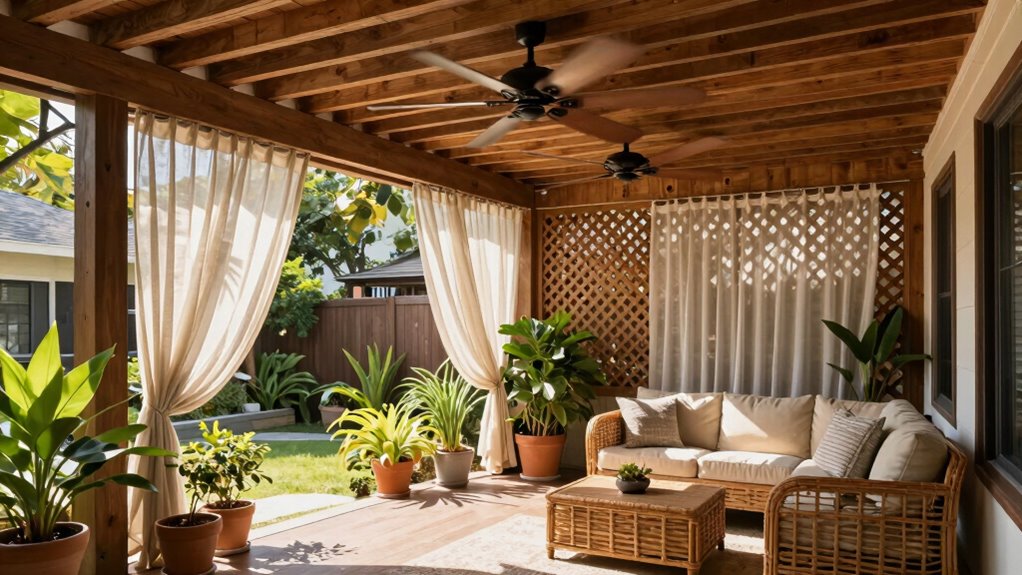
Creating a comfortable porch or patio often hinges on good airflow, which helps you enjoy your outdoor space even during hot or humid days. To achieve this, you need to think about how air moves through your space and how to facilitate natural ventilation. Start by considering the placement of your furniture and structures. Arrange seating to face prevailing breezes, and avoid blocking openings that allow air to flow freely. Incorporating elements like open pergolas or lattice panels can encourage cross-ventilation, letting breezes pass through and cool the area naturally.
Arrange furniture to face breezes and use open structures to promote natural airflow and cooling.
Lighting plays an essential role in your outdoor environment, especially when it comes to safety and ambiance. Landscape lighting not only highlights features but can also influence airflow by drawing attention away from cluttered or poorly arranged spaces. When selecting lighting fixtures, opt for weatherproof materials that withstand the elements, guaranteeing longevity and consistent performance. Well-placed outdoor lighting can also extend your time outside in the evenings, creating a cozy atmosphere that encourages relaxation and socializing.
Weatherproof materials are vital for all elements exposed to the outdoors. Using weather-resistant furniture, curtains, and decor ensures your porch or patio remains inviting without constant upkeep. Materials like treated wood, metal designed for outdoor use, and synthetic wicker are durable choices that resist moisture, sun damage, and pests. For structures like pergolas or canopies, choose weatherproof roofing options such as polycarbonate panels or treated fabric that allow airflow while protecting you from rain and direct sunlight. These materials help maintain a comfortable environment no matter the weather. Proper ventilation techniques can further improve airflow and comfort, especially in humid climates. Incorporating outdoor airflow principles into your design can make a significant difference in overall comfort.
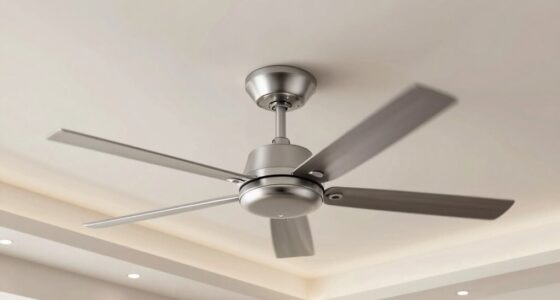
Adding ceiling fans or portable oscillating fans can greatly improve airflow, especially during peak heat. Select fans made from weatherproof materials to avoid rust and damage. Position fans strategically to promote cross-breezes and prevent stagnant air pockets. If space permits, consider planting tall, fast-growing plants or installing trellises with climbing vines along the sides of your porch or patio. These natural barriers can channel breezes and create a microclimate that cools the area while adding visual interest. Incorporating natural ventilation strategies can further optimize airflow and comfort in your outdoor space.
Ultimately, building a better airflow strategy involves a combination of thoughtful layout, suitable weatherproof materials, and strategic lighting. Prioritize natural ventilation by designing your space to maximize breezes, and supplement this with durable, weather-resistant furnishings and lighting. With these elements in place, your porch or patio becomes a haven that remains comfortable and inviting, even during the hottest days.
outdoor patio ceiling fans weatherproof
As an affiliate, we earn on qualifying purchases.
As an affiliate, we earn on qualifying purchases.
Frequently Asked Questions
How Do I Measure Effective Airflow for My Porch?
You measure effective airflow on your porch by using ventilation techniques like an anemometer to gauge wind speed at different points. Conduct airflow measurement by taking readings at various heights and locations to understand circulation patterns. Make certain your measurements are consistent under similar weather conditions. This helps you identify areas with poor ventilation and optimize your porch design for better airflow, keeping the space comfortable and well-ventilated.
What Materials Improve Airflow Without Compromising Privacy?
You can improve airflow by using privacy screens made from breathable fabrics, which allow air to pass through while maintaining privacy. Opt for materials like mesh or lightweight woven textiles that balance airflow with your privacy needs. These screens create a gentle breeze, preventing stuffiness without blocking your view. Installing adjustable or retractable privacy screens gives you control over airflow and privacy, making your porch or patio more comfortable and inviting.
How Can I Prevent Pests With Better Airflow Setup?
Imagine a gentle breeze sweeping through your porch, carrying away lingering odors and unwanted guests. To prevent pests with better airflow, incorporate pest-resistant screens and guarantee proper ventilation tips like cross-ventilation and adjustable vents. This reduces stagnant air where pests thrive. Keep outdoor furniture clean, and remove debris regularly. Good airflow not only cools your space but also creates an environment hostile to pests, making your porch a pest-resistant sanctuary.
What Are the Best Plants to Enhance Airflow Naturally?
You should choose plants that promote natural circulation and don’t block airflow. Opt for tall, airy plants like ornamental grasses, bamboo, or slender trees such as cypress or juniper. Incorporate climbing plants like clematis or ivy to add vertical interest without obstructing breezes. Avoid dense bushes or heavy foliage near seating areas. Proper plant selection enhances airflow, keeps pests at bay, and creates a comfortable, breezy outdoor space.
How Does Climate Affect Porch Airflow Strategies?
Climate affects porch airflow strategies considerably because different climate zones create unique airflow patterns. You need to adapt your design to maximize natural ventilation, considering prevailing winds and humidity levels. In warmer zones, promote cross-ventilation to keep spaces cool, while in cooler or humid zones, focus on airflow to reduce moisture buildup. By understanding your climate zone, you can develop an effective airflow strategy that keeps your porch comfortable year-round.
lattice panels for outdoor ventilation
As an affiliate, we earn on qualifying purchases.
As an affiliate, we earn on qualifying purchases.
Conclusion
By tuning your porch and patio airflow, you’re crafting a revitalizing element in your outdoor space. Think of it as guiding a gentle breeze through a lush garden, inviting coolness and comfort with every gust. When you optimize your strategy, your porch becomes a haven where air flows freely, like a lively dance between nature and your home. With a little effort, you’ll transform your outdoor space into a invigorating retreat that always feels alive.
As an affiliate, we earn on qualifying purchases.
outdoor lighting fixtures waterproof
As an affiliate, we earn on qualifying purchases.
As an affiliate, we earn on qualifying purchases.
Fall Picks
fall essentials
As an affiliate, we earn on qualifying purchases.