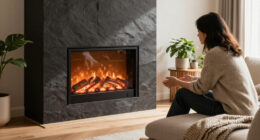
To think about air circulation as part of a healthy home, focus on ensuring steady airflow that removes pollutants, moisture, and odors. Use natural methods like opening windows and doors, and supplement with mechanical systems such as exhaust fans, air purifiers, or HVAC setups. Regularly maintain these systems for maximum performance. By actively managing airflow and humidity, you create a more comfortable, healthier environment. Keep exploring to discover more ways to improve your indoor air quality.

Get home appliances delivered free with Prime
- Fast, free delivery on millions of items
- Prime Video, Amazon Music and more included
- Member-only deals all year
Key Takeaways
- Prioritize proper airflow by opening windows on opposite sides for cross-ventilation.
- Use mechanical systems like exhaust fans and air purifiers to supplement natural ventilation.
- Regularly maintain HVAC filters and ductwork to ensure efficient air circulation.
- Manage indoor humidity levels with dehumidifiers or humidifiers to prevent mold and dust mites.
- Continuously evaluate and adjust ventilation strategies for consistent, healthy indoor air quality.
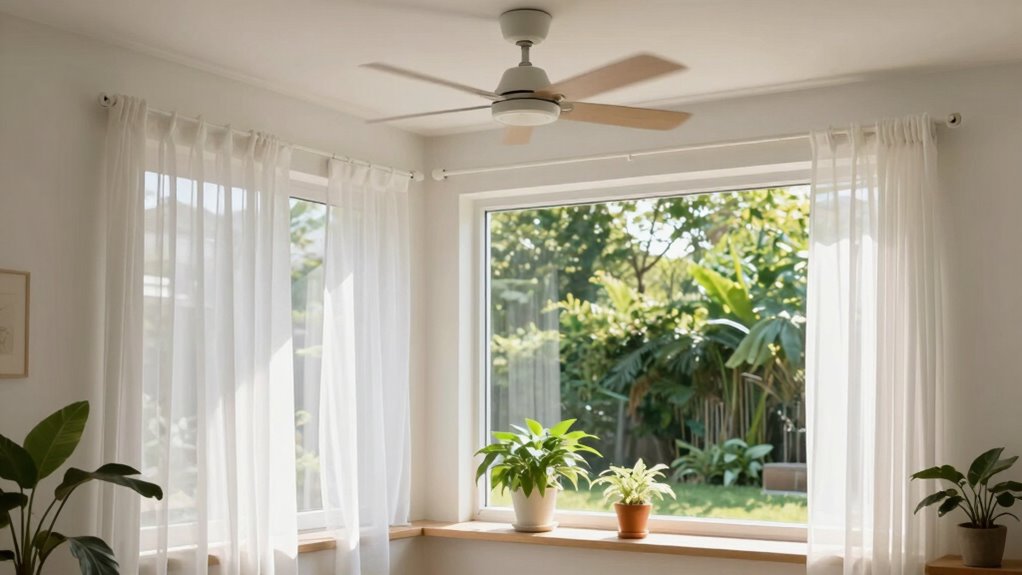
Have you ever wondered why good air circulation is vital for a healthy home? The truth is, your indoor air quality depends heavily on how well your home manages air movement. Proper air circulation helps remove pollutants, excess moisture, and odors, creating a more comfortable and healthier environment. Without it, indoor pollutants can accumulate, leading to potential health issues like allergies, respiratory problems, or even long-term illnesses. That’s why understanding ventilation strategies and how they influence indoor air quality is so essential.
When you think about ventilation strategies, consider them as the tools you use to control airflow in your home. These include natural methods like opening windows and doors, as well as mechanical systems such as exhaust fans, air purifiers, and HVAC systems. Effective ventilation isn’t just about adding fresh air; it’s about creating a balanced exchange where stale indoor air is replaced with filtered, clean air from outside. This process helps dilute indoor pollutants, moisture, and odors, which can otherwise linger and degrade your indoor air quality.
To optimize your home’s air circulation, you need to pay attention to the layout and operation of your ventilation systems. For example, opening windows on opposite sides of your home can create cross-ventilation, encouraging a steady flow of fresh air. Using exhaust fans in kitchens and bathrooms helps remove humidity and airborne contaminants directly at their source. It’s also wise to confirm your HVAC system is well-maintained, with clean filters and proper ductwork, to facilitate continuous airflow and filtration. These strategies work together to prevent the buildup of pollutants and maintain a healthier indoor environment. Additionally, understanding the importance of proper air flow can help you make more informed choices about your home’s ventilation.
In addition, controlling humidity levels is vital for good indoor air quality. Too much moisture can lead to mold growth and dust mites, while too little can cause dryness and irritation. Ventilation strategies that include dehumidifiers or humidifiers help keep humidity within a healthy range, supporting overall air quality. You should also consider air purifiers equipped with HEPA filters, which can trap airborne particles like dust, pollen, and pet dander, further improving air quality. Recognizing that indoor air quality depends heavily on proper air circulation can guide you in making better ventilation choices. Incorporating air movement as a key component ensures a comprehensive approach to maintaining a healthy indoor environment.
Ultimately, thinking about air circulation involves more than just letting in fresh air occasionally. It’s about actively managing how air moves through your home. By implementing effective ventilation strategies, you can notably improve indoor air quality, making your home a safer, healthier place to live. Regularly evaluating and adjusting your approach ensures that your indoor environment remains fresh, comfortable, and free of pollutants, supporting your overall well-being. Understanding the importance of ventilation efficiency can further enhance your efforts to create a healthier living space.
Products Worth Considering

Levoit Vital 100S-P Air Purifier

LEVOIT Vital 200S-P Smart Air Purifier for Large Rooms

Blueair Blue Pure 511i Max Smart Air Purifier
As an affiliate, we earn on qualifying purchases.
Frequently Asked Questions
How Does Air Circulation Impact Allergy and Asthma Symptoms?
Good air circulation helps reduce allergy and asthma symptoms by removing airborne irritants. When you improve air filtration and ventilation efficiency, you lower dust, pollen, and mold levels in your home. Proper airflow keeps indoor air fresh and prevents stagnation, making it easier to breathe. You should regularly clean filters and guarantee good ventilation systems are working effectively, creating a healthier environment that minimizes allergy and asthma triggers.
What Are the Best Natural Methods to Improve Indoor Airflow?
You can boost indoor airflow naturally by opening windows regularly to encourage natural ventilation, which helps refresh indoor air and reduce allergens. Adding indoor plants like snake plants or pothos improves air quality and promotes better circulation through transpiration. Use fans strategically to enhance airflow without relying solely on mechanical systems. These simple methods create a healthier, more comfortable environment, supporting better breathing and reducing allergy or asthma symptoms.
How Often Should I Change or Clean Air Filters?
You should change or clean your air filters every 1 to 3 months, depending on your household’s needs and filter type. Regular air filter maintenance helps keep indoor air fresh and reduces allergens. Additionally, establish a ventilation scheduling routine—like checking filters monthly—to guarantee peak airflow. This proactive approach improves air quality, prevents buildup of dust and pollutants, and supports a healthier, more comfortable living environment.
Can Air Circulation Reduce Indoor Moisture and Mold Growth?
Yes, good air circulation can reduce indoor moisture and mold growth by improving ventilation efficiency and humidity control. When you regularly refresh indoor air with fans or exhaust systems, you help remove excess moisture that fosters mold. Maintaining proper airflow prevents humidity from accumulating, creating an environment less conducive to mold growth. So, ensuring proper air movement is essential for a healthier, mold-free home.
What Indoor Activities Affect Air Quality the Most?
Ever wonder which indoor activities impact air quality the most? Cooking releases pollutants and moisture, while smoking introduces harmful chemicals. Using an indoor plant can help filter toxins, and an air purifier reduces airborne particles. Regular cleaning and ventilating also make a difference. Don’t underestimate simple steps—these activities markedly influence your home’s air health, making air circulation and proper ventilation essential for a healthier living environment.
Conclusion
Remember, good air circulation isn’t just about avoiding the plague—it’s about creating a space where you breathe easy and feel comfortable. Keep those windows open when you can, use fans wisely, and consider air purifiers if needed. Think of it as your modern-day equivalent of a well-placed hearth—keeping the air fresh and your home welcoming. So, take charge and make healthy airflow a daily habit, just like your great-grandmother did with her cozy, well-ventilated parlor.