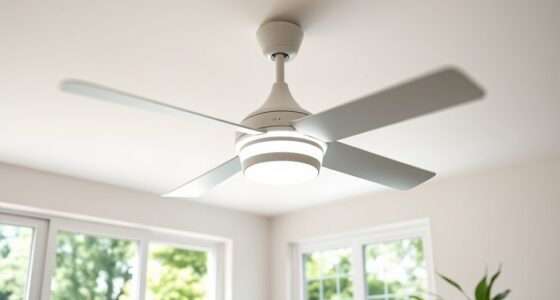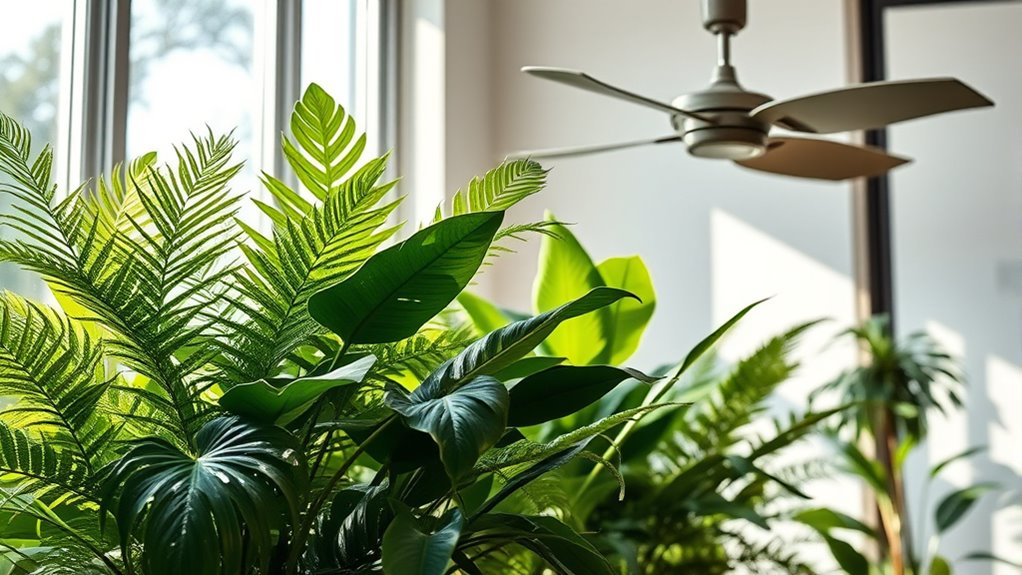
Using fans to boost indoor plant health improves airflow, helping prevent mold, pests, and fungal issues. Proper circulation disperses heat, maintains consistent temperatures, and reduces hot or cold spots that stress plants. Strategic fan placement ensures every plant gets fresh, moving air, mimicking outdoor conditions. This creates a healthier environment, encouraging vigorous growth and resilience. Keep going to discover more tips on optimizing airflow and creating the ideal conditions for your indoor garden.

Get home appliances delivered free with Prime
- Fast, free delivery on millions of items
- Prime Video, Amazon Music and more included
- Member-only deals all year
Key Takeaways
- Proper airflow prevents mold, pests, and fungal infections, promoting healthier indoor plants.
- Fans ensure even air distribution, reducing microclimates that can harm plant health.
- Using fans helps maintain consistent temperature and humidity levels, minimizing stress on plants.
- Strategic fan placement improves air circulation around crowded or confined spaces.
- Mimicking outdoor wind conditions with fans encourages vigorous growth and stronger plant resilience.

Indoor plants thrive when they receive proper airflow, which helps prevent issues like mold and pests. Good air circulation guarantees that excess moisture doesn’t linger around your plants, reducing the risk of fungal infections and rot. It also keeps the environment fresh, preventing stagnant air that can stress your plants and make them more vulnerable to diseases. When you use fans to improve indoor plant health, you’re actively promoting a healthier, more balanced environment. Fans help circulate air evenly throughout the space, preventing pockets of still air that can create microclimates conducive to mold growth or pest infestations. This constant movement of air encourages your plants to breathe more naturally, mimicking outdoor conditions where wind keeps the air moving around them. Additionally, high-quality fans can be more effective at maintaining consistent airflow and reducing noise, contributing further to a healthy indoor environment. Temperature regulation is another vital aspect that fans support when caring for indoor plants. Fluctuations in temperature can stress plants, especially those sensitive to sudden changes. By using fans, you can maintain a more consistent temperature in your indoor space. For example, during hot days, a fan can disperse heat evenly, preventing hot spots that might scorch your plants’ leaves. Conversely, in cooler conditions, gentle airflow can help prevent cold pockets, which could cause stress or damage to delicate foliage. Proper temperature regulation through fans not only enhances plant growth but also reduces the likelihood of pest outbreaks that thrive in specific temperature ranges. When your plants experience stable temperatures, they tend to grow stronger and healthier. Additionally, fans can be positioned strategically to target specific areas of your indoor garden. For instance, placing a small oscillating fan near a cluster of plants can improve air circulation in tight spaces, ensuring no plant remains in stagnant air. This setup can be particularly useful if you notice mold spots or if pests start to gather in certain spots. Maintaining a steady airflow also helps in drying excess water on the leaves after watering or misting, which further reduces the risk of mold and fungal issues. When you pay attention to how fans influence air circulation and temperature regulation, you create an environment that closely resembles outdoor conditions, promoting vigorous, healthy growth.
As an affiliate, we earn on qualifying purchases.
Frequently Asked Questions
Can Fans Help Prevent Pests on Indoor Plants?
Yes, fans can help prevent pests on indoor plants by improving air circulation, which makes it harder for pests to settle and thrive. When you use fans regularly, you create a breeze that keeps pests like spider mites and aphids away, promoting pest control naturally. This airflow also reduces humidity and moisture buildup, discouraging pests and fungal issues, keeping your plants healthier and pest-free.
How Do Fans Affect Humidity Levels Around Plants?
Fans improve air circulation around your plants, which helps regulate humidity levels. By moving air, they prevent the buildup of excess moisture on leaves and soil, reducing fungal risks. As a result, humidity stays more consistent and balanced, creating a healthier environment. You should adjust fan speed and placement to maintain ideal humidity, ensuring your indoor plants thrive without becoming overly damp or dry.
What Is the Ideal Fan Speed for Indoor Plant Health?
You should set your fan to a gentle, low to medium speed for ideal air circulation around your indoor plants. This airflow control prevents drafts that can stress plants while promoting healthy air movement. Aim for a setting that creates consistent, light airflow without directly hitting the leaves. Regularly adjust the speed based on plant response and environmental conditions to maintain ideal humidity and prevent disease.
Should Fans Be Used Continuously or Intermittently?
Think of your indoor garden as a gentle breeze swaying through leaves; fans should dance intermittently, not constantly. You want steady air circulation without creating a storm, so running fans intermittently balances fresh airflow and energy consumption. This way, your plants breathe easily, and your energy bills stay calm. Regular breaks prevent the wind from becoming a nuisance, allowing your plants to thrive in a harmonious, breezy environment.
Can Fans Cause Damage to Delicate Plant Leaves?
Fans can cause damage to delicate plant leaves if used improperly. Strong or direct airflow may lead to leaf tear or wind stress, weakening the plant’s overall health. To avoid this, keep fans at a safe distance and use gentle, intermittent airflow. This helps prevent stress and damage, ensuring your plants stay healthy and vibrant without suffering from excessive wind stress or torn leaves.
As an affiliate, we earn on qualifying purchases.
Conclusion
By using fans, you’re not just circulating air—you’re guiding your plants toward resilience and vigor. Think of the fan as a gentle breeze that shapes a sturdy tree, whispering strength into every leaf. With each breeze, you’re nurturing a thriving green oasis inside your home, symbolizing growth and renewal. Embrace this simple tool, and watch your plants flourish, standing tall like a symbol of your care and dedication.
air circulation fan for indoor garden
As an affiliate, we earn on qualifying purchases.
As an affiliate, we earn on qualifying purchases.
As an affiliate, we earn on qualifying purchases.
NFL season / tailgating Picks
team gear
As an affiliate, we earn on qualifying purchases.