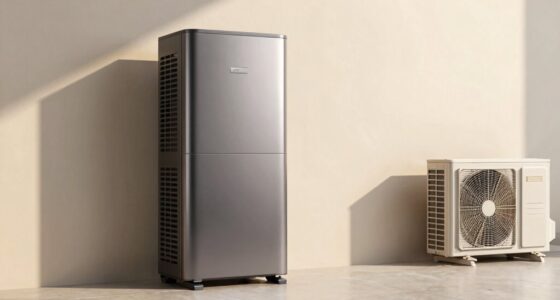
Bedrooms need a different climate strategy than living rooms because they require cleaner, fresher air to support restful sleep and recovery. Controlling humidity is vital to prevent mold, odors, and dust mites, which can disturb sleep. Proper ventilation and air filtration help remove pollutants and stale air. Since comfort levels vary overnight, adjusting these factors specifically for bedrooms guarantees better sleep quality and health. Keep exploring to discover how tailored climate solutions can create the perfect bedroom environment.

Get home appliances delivered free with Prime
- Fast, free delivery on millions of items
- Prime Video, Amazon Music and more included
- Member-only deals all year
Key Takeaways
- Bedrooms require optimal air quality and humidity levels to support restful sleep and recovery.
- Sleep environments benefit from stricter control of allergens, dust, and pollutants than living rooms.
- Humidity regulation is crucial in bedrooms to prevent mold, mold-related odors, and skin or respiratory issues.
- Ventilation strategies differ to minimize noise and drafts that could disturb sleep.
- Personal comfort and health considerations demand tailored climate control in bedrooms compared to shared living spaces.

When it comes to designing a comfortable home, bedrooms often require different climate strategies than living rooms. Unlike communal areas, your bedroom is a place for rest and recovery, so maintaining optimal air quality and humidity levels becomes even more critical. Good air quality helps you breathe easier and sleep more soundly, so you want to minimize pollutants, dust, and allergens. Proper ventilation is key, whether through air purifiers, air exchange systems, or simply opening windows when weather permits. You might also consider air filters that target common irritants like pollen or pet dander, especially if allergies bother you. These measures ensure the air you breathe during your most vulnerable hours is clean and fresh, setting the stage for restful sleep. Additionally, understanding the importance of air exchange systems can help you choose the right solutions for your space. Humidity control plays a pivotal role in creating a comfortable bedroom environment. Too much moisture can lead to mold growth, musty odors, and increased dust mites, all of which can disturb your sleep or cause health issues. On the other hand, excessively dry air can cause skin irritation, nasal congestion, and throat discomfort. To strike the right balance, you may need a humidifier or dehumidifier, depending on your climate. If your home tends to be humid, running a dehumidifier helps reduce excess moisture, preventing mold and maintaining air quality. Conversely, if the air is dry, especially in winter, a humidifier can add moisture back into the air, easing breathing and skin hydration. Both devices allow you to keep humidity levels within the ideal range, typically around 40-60%. You can also monitor and adjust humidity levels with smart home technology for added convenience. Your sleep environment benefits from this tailored approach, as air quality and humidity control directly impact your ability to fall asleep and stay asleep. Proper ventilation is also essential for removing stale air and reducing indoor pollutants, which is especially important in tightly sealed modern homes. Ensuring good air filtration can significantly reduce irritants and improve overall air quality. This is especially important considering that indoor pollution can be higher than outdoor air and impact your health. You’ll notice that your sleep quality improves, and you wake up feeling more refreshed and energized. Because bedrooms are where you spend a significant portion of your day, investing in climate strategies that prioritize air quality and humidity control is essential. Your body and mind will thank you for the extra effort in making your bedroom a true retreat from the stresses of daily life.
As an affiliate, we earn on qualifying purchases.
Frequently Asked Questions
How Do Climate Needs Differ Between Children’s Bedrooms and Adult Bedrooms?
Children’s bedrooms, including nurseries, need a warmer, more stable climate for safety and quality sleep. You should uphold a consistent temperature that prevents overheating, which can compromise nursery safety. Unlike adult bedrooms, where cooler temperatures might be preferred, a comfortable and safe sleep environment for kids ensures better rest and development. Adjust your thermostat accordingly, and keep an eye on humidity levels to promote a healthy, cozy sleep environment.
What Specific Humidity Levels Are Ideal for Bedrooms Versus Living Rooms?
You should aim for a humidity level of 40-60% in bedrooms, while living rooms can tolerate slightly broader ranges. Humidity regulation is key to comfort and health, so use a humidifier or dehumidifier as needed. Regular air quality monitoring helps you maintain ideal conditions, preventing mold and dust mites in bedrooms. In living rooms, consistent monitoring ensures a balanced environment, promoting better air quality for everyone.
Are There Unique Ventilation Requirements for Bedrooms Compared to Living Rooms?
Yes, bedrooms require unique ventilation strategies compared to living rooms. You should focus on maintaining good air filtration and circulation to guarantee fresh, clean air while minimizing allergens and pollutants. Proper ventilation helps regulate humidity and temperature, creating a comfortable environment for sleep. Use air purifiers and ensure windows or vents promote consistent air exchange, which is especially important in bedrooms to support your health and overall well-being.
How Does Room Size Impact Climate Control Strategies in Bedrooms?
They say size doesn’t matter, but when it comes to bedrooms, room size considerably impacts your climate control strategy. Larger bedrooms may require multiple zones or smart thermostats to maintain comfort efficiently, while smaller rooms can often be managed with a single device. Prioritizing energy efficiency, you should tailor your approach based on room dimensions, ensuring each space stays cozy without wasting energy. Properly adjusted, your climate control becomes as easy as pie.
What Are the Best Temperature Settings for Ensuring Restful Sleep?
Set your bedroom temperature between 60-67°F for restful sleep, as cooler conditions promote better rest. Use smart thermostats to maintain consistent temperatures and easily adjust settings. Prioritize air quality by ensuring good ventilation and using air purifiers if needed, which helps you breathe easier and sleep more soundly. Keeping these factors in check creates a ideal environment for restorative sleep every night.
bedroom humidifier with humidity control
As an affiliate, we earn on qualifying purchases.
As an affiliate, we earn on qualifying purchases.
Conclusion
So, next time you’re designing or adjusting your home’s climate, ask yourself: do you treat every room the same? Bedrooms and living rooms serve different purposes and need tailored strategies to stay comfortable. Why settle for a one-size-fits-all approach when you can optimize each space for better sleep and livability? Remember, a thoughtful climate plan isn’t just about comfort — it’s about creating a home that truly works for you.
As an affiliate, we earn on qualifying purchases.
sleep-friendly air filtration system
As an affiliate, we earn on qualifying purchases.
As an affiliate, we earn on qualifying purchases.
NFL season / tailgating Picks
team gear
As an affiliate, we earn on qualifying purchases.