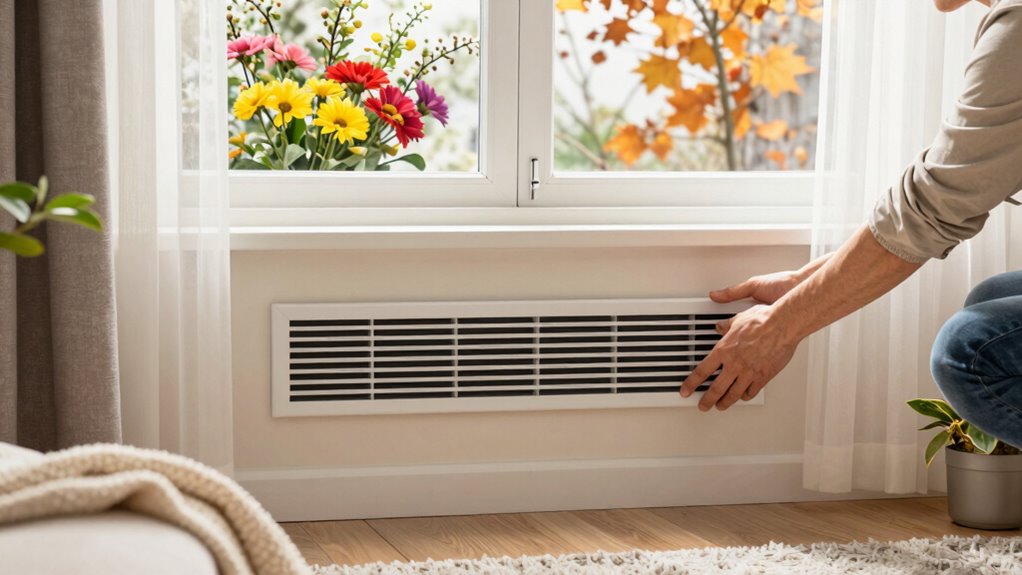

To make spring and fall HVAC shifts smoother, start by scheduling a professional tune-up to catch potential issues early. Clear debris around outdoor units and replace or clean filters to boost efficiency. Gradually adjust your thermostat and check for system compatibility to prevent sudden strain. Following a maintenance checklist and staying proactive helps avoid disruptions and keeps your system running smoothly. Keep going, and you’ll find simple tips to make these seasonal switches even easier.
Key Takeaways
- Schedule professional HVAC tune-ups before seasonal changes to ensure optimal performance.
- Check and replace filters, and clear debris around outdoor units for smooth operation.
- Gradually adjust thermostat settings to prevent system strain during temperature shifts.
- Follow a seasonal maintenance checklist to address all system components proactively.
- Monitor indoor air quality and energy use to maintain comfort and efficiency throughout transitions.

Shifting your HVAC system between seasons can feel awkward, especially as temperatures fluctuate unexpectedly. You want your home to stay comfortable without overworking your system or wasting energy, but figuring out the right approach isn’t always straightforward. The key lies in preparing your HVAC early and maintaining it well, so the transition is smooth and energy-efficient. A good starting point is following a simple maintenance checklist designed for seasonal changes. Regularly inspecting and cleaning your system helps prevent unexpected breakdowns and ensures optimal performance, saving you money in the long run.
Preparing your HVAC early ensures smooth, energy-efficient seasonal transitions and helps prevent costly breakdowns.
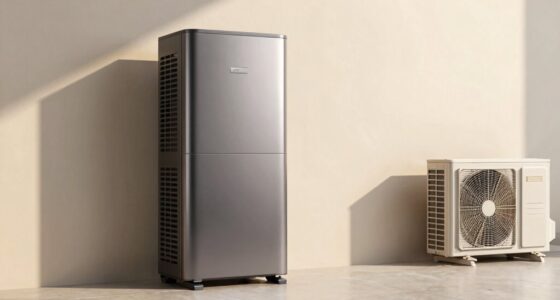
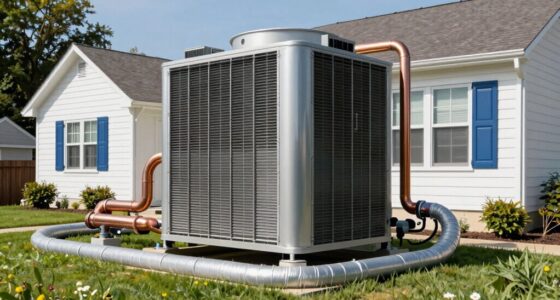
As you prepare for spring or fall, focus on checking filters, ducts, and outdoor units. Dirty filters restrict airflow, forcing your system to work harder, which wastes energy and increases costs. Replacing or cleaning filters should be part of your maintenance checklist before the season shift. Also, inspect your outdoor unit for debris, leaves, or dirt that could obstruct airflow. Clearing away obstructions supports efficient operation and keeps your system running smoothly. Don’t forget to check the thermostat settings, making sure they’re accurate and responsive to seasonal adjustments. Setting your thermostat correctly can significantly improve energy efficiency and comfort.
Another important step is scheduling a professional tune-up if you haven’t done so recently. A technician can examine components, check refrigerant levels, and identify potential issues before they become major problems. A well-maintained system uses less energy, reduces wear and tear, and extends its lifespan. During this tune-up, ask your technician to review your system’s energy efficiency, ensuring it’s running at peak performance. This proactive approach saves you money on utility bills and prevents inconvenient breakdowns during critical weather changes. Regular system inspections are also vital for maintaining peak efficiency and catching issues early. Additionally, understanding indoor air quality can help you maintain a healthier environment during seasonal changes, supporting overall home comfort.
Furthermore, making sure your system components are compatible and functioning properly can also prevent unexpected issues during seasonal transitions. As temperatures fluctuate, think about adjusting your settings gradually rather than making drastic changes all at once. In spring, you might start with a mild cooling setting, gradually increasing it as days warm up. In fall, ease into heating modes to prevent sudden strain on your system. These small adjustments, combined with a thorough maintenance checklist, help your HVAC operate efficiently, reducing energy consumption and lowering bills. Properly managing these transitions also benefits the environment by minimizing your carbon footprint.
Ultimately, making your seasonal HVAC transitions less awkward involves a combination of proactive maintenance and mindful adjustments. By sticking to a maintenance checklist, scheduling professional inspections, and gradually changing your thermostat settings, you create a seamless shift that keeps your home comfortable and energy-efficient. It’s about staying ahead of potential issues, lowering costs, and ensuring your system performs reliably no matter the season. With a little planning, you’ll find these transitions become less stressful and more manageable, giving you peace of mind and a cozy home year-round. Additionally, understanding the importance of regular system inspections can help you stay ahead of potential issues and maintain optimal performance.
HVAC system tune-up service
As an affiliate, we earn on qualifying purchases.
As an affiliate, we earn on qualifying purchases.
Frequently Asked Questions
How Can I Tell if My HVAC System Needs Maintenance for Seasonal Change?
You can tell if your HVAC system needs maintenance for seasonal change by noticing inconsistent temperatures, strange noises, or increased energy bills, which threaten your energy savings. Regular checks of filters, coils, and ducts help extend your equipment lifespan. If you’re experiencing these issues, it’s time for professional maintenance to guarantee your system runs efficiently, keeps you comfortable, and saves money during the seasonal shift.
What Are Signs That My HVAC Transition Is Not Working Properly?
If your HVAC shift isn’t working properly, you’ll notice unusual HVAC noise or inconsistent temperature fluctuations. You might feel drafts, or your system may cycle on and off frequently. These signs indicate your HVAC isn’t adjusting well to seasonal changes. Address these issues early by scheduling maintenance, ensuring your system adapts smoothly, and preventing larger problems during peak seasons. Prompt action keeps your home comfortable and your system running efficiently.
Are There Specific Filters Recommended for Seasonal HVAC Shifts?
You should opt for air filter types designed for seasonal changes, such as high-efficiency or pleated filters, which trap more particles and adapt to varying air quality needs. During seasonal filter replacement, choose filters with the right MERV rating for your system’s efficiency and your indoor air quality goals. Regularly swapping out filters guarantees smooth HVAC shifts, prevents system strain, and maintains ideal indoor comfort year-round.
How Often Should I Schedule Professional HVAC Inspections During Transitions?
Think of your HVAC system as a garden needing regular care. You should schedule professional inspections twice a year, ideally during spring and fall, to guarantee energy efficiency and system longevity. These check-ups catch small issues before they grow, helping your system run smoothly through seasonal changes. Regular maintenance keeps your HVAC performing at its best, saving you money and extending its lifespan, especially during those tricky shift periods.
Can Using Smart Thermostats Improve Transition Efficiency?
Yes, using smart thermostats can improve change efficiency. With smart scheduling, you can automatically adjust your temperature settings for spring and fall, reducing energy waste. Make sure your thermostat is compatible with your HVAC system for seamless operation. These thermostats learn your preferences, optimize heating and cooling, and prevent abrupt changes, making seasonal shifts smoother and more comfortable.
air conditioner filter replacement
As an affiliate, we earn on qualifying purchases.
As an affiliate, we earn on qualifying purchases.
Conclusion
Switching your HVAC system between seasons doesn’t have to be awkward. By scheduling regular maintenance and adjusting your thermostat gradually, you’ll stay comfortable year-round. Did you know that improper HVAC shifts can lead to up to 30% higher energy bills? Taking these simple steps guarantees efficiency and comfort, saving you money and stress. So, stay proactive, and enjoy seamless seasonal shifts without the hassle. Your home will thank you for it!
outdoor AC unit cleaning tools
As an affiliate, we earn on qualifying purchases.
As an affiliate, we earn on qualifying purchases.
programmable thermostat for HVAC
As an affiliate, we earn on qualifying purchases.
As an affiliate, we earn on qualifying purchases.