
TL;DR

Get home appliances delivered free with Prime
- Fast, free delivery on millions of items
- Prime Video, Amazon Music and more included
- Member-only deals all year
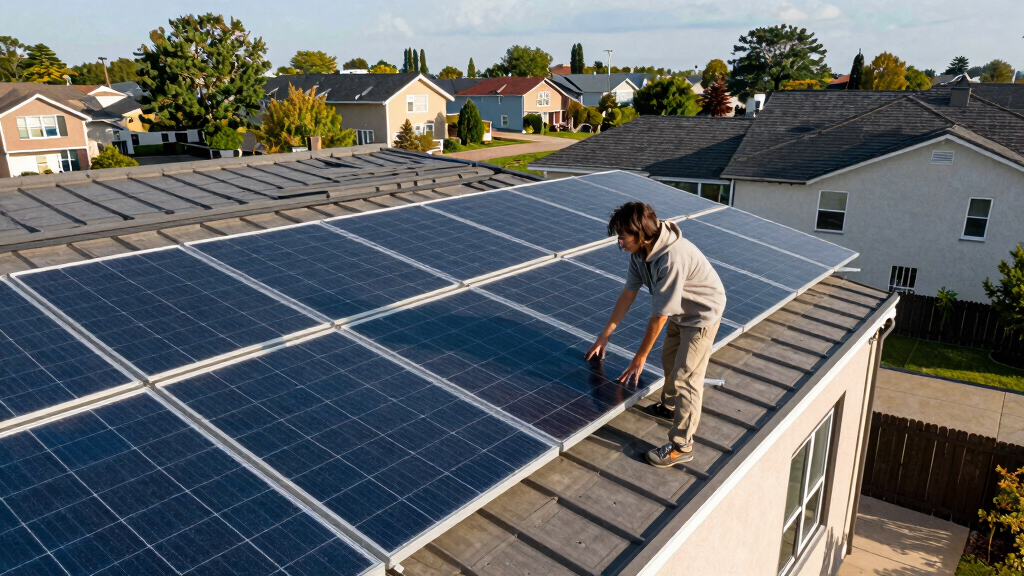
Sunergise has activated New Zealand’s largest rooftop solar installation, a 5.3 MW system at Fisher & Paykel Healthcare in Auckland. The project highlights the country’s rapid solar growth and corporate commitment to sustainability.
Sunergise has completed and switched on New Zealand’s largest rooftop solar system, a 5.3 MW array installed at Fisher & Paykel Healthcare’s Auckland campus, marking a significant milestone in the country’s renewable energy sector.
The 5.3 MW photovoltaic system spans approximately 70,000 square meters across two buildings at Fisher & Paykel Healthcare’s Auckland site. It features 8,273 solar modules and took nine months to install. The project was delivered under a SunPlus Power Purchase Agreement (PPA), meaning Fisher & Paykel Healthcare pays only for the electricity generated, with no upfront capital costs. This installation surpasses the previous largest rooftop system in New Zealand, which was 2.3 MW at Auckland Airport’s Mānawa Bay shopping centre. The system is projected to generate over 6,600 MWh annually and offset more than 486 tonnes of CO2 emissions each year. Sunergise CEO Paul Makumbe described the project as a new standard for large-scale energy solutions in New Zealand, emphasizing its replicability for other major energy users. Fisher & Paykel Healthcare’s vice president of supply chain, Jonti Rhodes, highlighted the strategic business benefits of adopting solar power, including cost savings and sustainability leadership.
Implications for New Zealand’s Renewable Energy Sector
This project exemplifies the rapid growth of commercial rooftop solar in New Zealand and demonstrates the feasibility of large-scale renewable energy investments by major corporations. It sets a benchmark for future developments, encouraging other businesses to adopt similar clean energy solutions. The increase in solar capacity aligns with national goals to reduce carbon emissions and transition to sustainable energy sources, potentially accelerating policy support and investment in the sector. The project also underscores the importance of innovative financing models like PPAs, making renewable energy more accessible for large energy consumers.
Products Worth Considering

Arlo Pro Wireless Security Camera, 2K HDR, 6th Generation, 4-Camera System

LEVOIT Vital 200S-P Smart Air Purifier for Large Rooms up to 1875 ft², Quiet 27 dB Operation, AHAM VERIFIDE Certified, Air Quality Monitor,

Blueair Blue Pure 211i Max Air Purifier for Large Rooms
As an affiliate, we earn on qualifying purchases.
Growing Solar Adoption and Industry Trends in New Zealand
New Zealand’s solar capacity has been expanding steadily, with industry forecasts suggesting the total installed capacity will triple from 860 MW in 2026 to over 2,100 MW by 2031. The commercial and industrial sectors are increasingly adopting rooftop solar to reduce electricity costs and meet sustainability targets. The Fisher & Paykel project, completed in nine months, reflects a broader trend of large-scale corporate investments in renewable energy infrastructure, supported by favorable policies and declining technology costs. The previous record for a rooftop system was 2.3 MW, installed at Auckland Airport’s shopping centre, indicating a significant leap forward with this new 5.3 MW installation.
“This project sets a new standard for what is possible in New Zealand’s energy sector and serves as a replicable model for large energy users.”
— an anonymous researcher
Remaining Questions About Project Impact and Replicability
It is not yet clear how many similar projects will follow or how quickly the market will scale in response to this development. Details on long-term operational performance and economic impacts remain to be seen, and regulatory or policy changes could influence future adoption rates.
Next Steps for Solar Growth and Industry Adoption
Industry analysts anticipate continued growth in corporate solar projects across New Zealand, supported by declining costs and increasing policy incentives. Further large-scale installations are expected as more companies seek to meet sustainability commitments and reduce energy expenses. Monitoring the performance and financial outcomes of this project will inform future investments and policy decisions in the sector.
Key Questions
How much energy will the new solar system generate annually?
The system is expected to generate more than 6,600 megawatt-hours (MWh) of clean energy per year.
What are the environmental benefits of this project?
It will offset over 486 tonnes of carbon dioxide annually, contributing to New Zealand’s climate goals.
How was the project financed?
The project was delivered under a SunPlus Power Purchase Agreement, meaning Fisher & Paykel Healthcare pays only for the electricity produced, with no upfront capital investment.
Will other companies in New Zealand follow this example?
Industry experts suggest that this project sets a new standard and could encourage more large-scale solar investments, especially as the sector grows rapidly.
When did the system become operational?
The system was officially switched on in June 2026, after nine months of installation work.
Source: PV Magazine