SEER2 measures how efficiently your air conditioner cools your home with newer refrigerants in mind. A higher SEER2 means your system uses less electricity to achieve the same cooling, reducing your energy bills. It’s calculated by comparing cooling output to energy input over a season, considering factors like refrigerant type and operational conditions. To understand more about how SEER2 impacts your bill, keep exploring; you’ll find useful insights ahead.

Get home appliances delivered free — and shop member deals
- Fast, free delivery on millions of items
- Access to Prime Big Deal Days deals on October 6–7
- Prime Video, Amazon Music and more included
Key Takeaways
- SEER2 measures HVAC efficiency based on seasonal cooling output relative to energy input, impacting your electricity costs.
- Higher SEER2 ratings mean your AC uses less electricity for the same cooling, reducing your electric bill.
- Efficient refrigerants and proper system calibration influence SEER2, affecting overall energy consumption.
- Installation quality, ductwork, and maintenance are crucial to ensure the SEER2 rating translates into actual savings.
- External factors like climate, energy standards, and usage habits also significantly impact your cooling costs regardless of SEER2.
What Is SEER2 and How Does It Differ From Traditional Ratings?
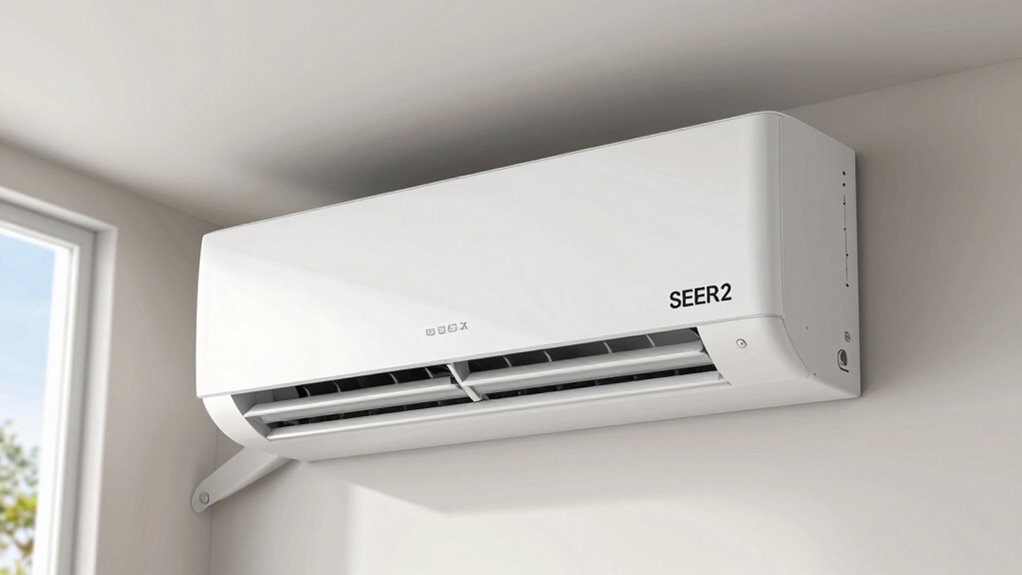
Have you ever wondered how modern air conditioner efficiencies are measured? SEER2 is a new rating system that provides a more accurate picture of how efficiently your AC performs. Unlike traditional ratings, SEER2 considers the latest refrigerant types, which can impact cooling efficiency. This means that units using newer refrigerants might have different values compared to older models, even if they seem similar on paper. To keep your system running smoothly and maximize efficiency, follow simple maintenance tips like regularly cleaning filters and keeping coils free of dust. These practices help your AC operate at its best, ensuring you get the most out of your SEER2 rating. Understanding these differences can help you make smarter decisions when upgrading or maintaining your cooling system. Additionally, home theatre projectors are an example of technology where detailed specifications like contrast ratio and color accuracy significantly impact your viewing experience. Recognizing refrigerant types and their effects on efficiency can also guide you in choosing more eco-friendly and cost-effective systems. Furthermore, knowing how capacity and watt-hours relate to inverter generators can help you select the right power source for your needs. Being aware of refrigerant regulations can also influence your choice of AC units, especially with evolving environmental standards.
Why Does SEER2 Matter for Your Cooling Costs and Energy Efficiency?
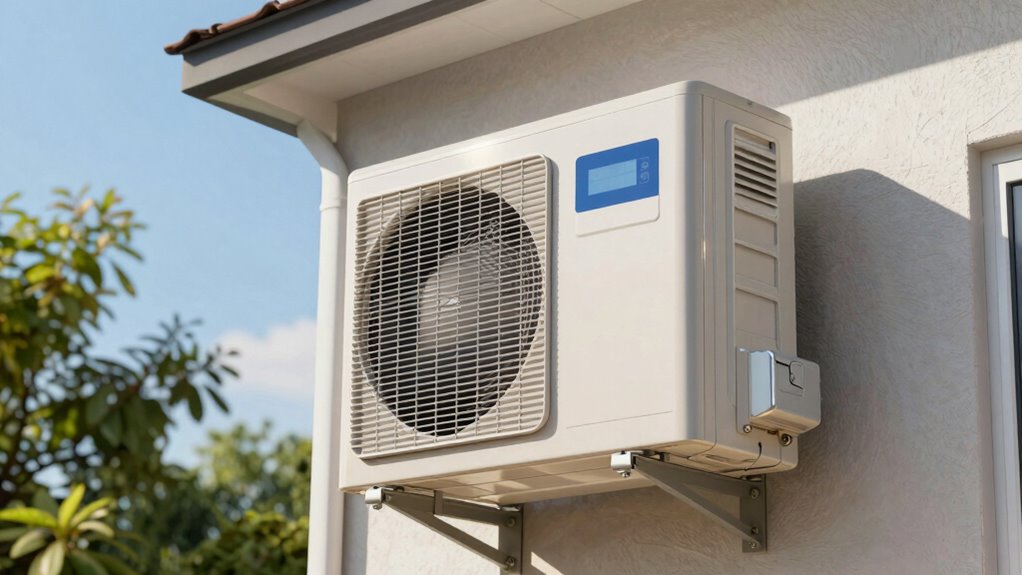
SEER2 directly impacts your cooling costs by making your air conditioner more efficient. When your system has a higher SEER2 rating, it uses less energy to keep your home comfortable. This increased efficiency can also reduce the strain on your system, potentially extending its lifespan. Additionally, understanding system efficiency and how it relates to your energy use can help you make smarter decisions about your HVAC investments and overall home energy management. Recognizing energy efficiency standards can further support your efforts to optimize energy consumption and reduce costs.
Impact on Cooling Costs
Understanding how efficient your cooling system is can considerably impact your energy bills, especially as energy costs rise. A higher SEER2 rating means your AC uses less energy to cool your home, saving you money over time. It’s also beneficial to stay updated on the latest HVAC innovations that can further improve efficiency. It also makes sense to get energy audits to identify areas where your system can perform better. Using smart thermostats helps optimize cooling schedules, reducing unnecessary energy usage. Additionally, considering molecular-scale circuit innovations in HVAC technology could lead to even more efficient systems in the future. Recognizing energy-efficient design principles can further enhance your home’s overall efficiency and comfort. Incorporating advanced materials that improve heat transfer can further boost system performance and longevity. Exploring protective styling benefits of HVAC components can help extend system life and maintain optimal performance. Key impacts include: – Lower energy consumption, reducing monthly bills – Better system performance with less wear and tear – Increased awareness of your cooling efficiency, helping you make informed upgrades
Investing in a system with a higher SEER2 rating ensures your home stays cool without driving up energy costs, making your cooling more economical and environmentally friendly.
Enhances Energy Efficiency
A higher SEER2 rating directly boosts your cooling system’s energy efficiency, meaning it uses less electricity to achieve the same comfort levels. This improvement helps lower your energy bills and reduces your carbon footprint. When paired with smart thermostats, you gain better control over your home’s temperature, optimizing energy use even further. Upgrading insulation also plays a vital role by reducing heat transfer, so your AC doesn’t have to work as hard. Together, these upgrades maximize the benefits of a high SEER2 system, ensuring your home stays comfortable while consuming less power. Additionally, home automation systems can enhance overall efficiency by scheduling and managing your HVAC operation more effectively. Ultimately, a higher SEER2 rating means more efficient cooling, saving you money and helping you enjoy a more sustainable home environment. By understanding energy efficiency metrics, homeowners can make informed decisions that improve comfort and reduce operational costs. Proper fabric care and sustainable technology choices in your home can further contribute to overall energy savings and environmental impact reduction.
How Is Your SEER2 Rating Calculated and What Does It Mean?
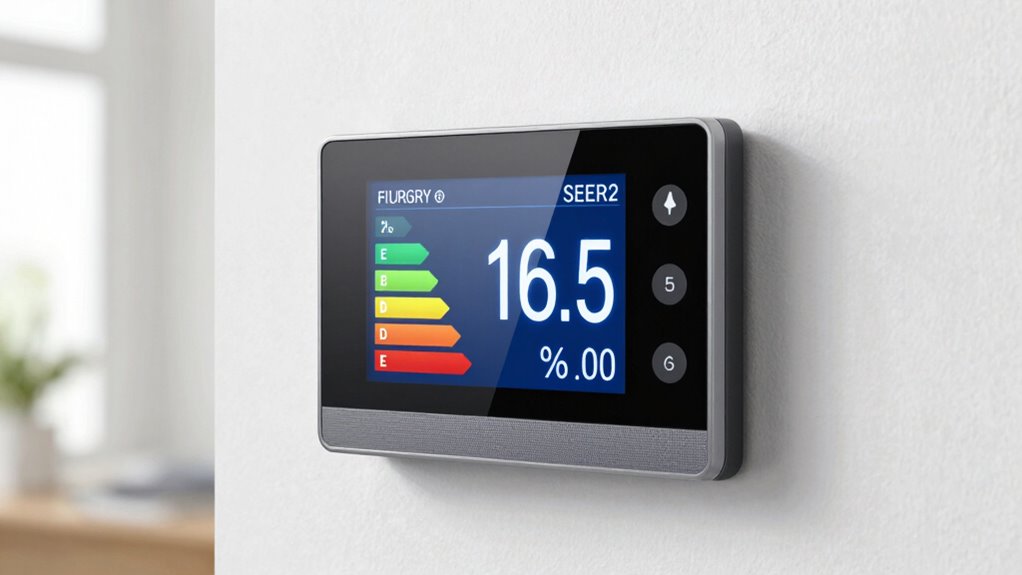
Your SEER2 rating is calculated based on how efficiently your air conditioning system cools your home over a typical cooling season. It considers factors like refrigerant types and indoor air quality, which influence overall performance. The rating measures the ratio of cooling output to energy input, giving you an idea of energy efficiency. A higher SEER2 means your system uses less electricity for the same cooling effect, saving you money. Additionally, the efficiency of your system can be affected by the type of solar panels used in your setup, which can support energy savings. Here’s what impacts your SEER2 calculation:
- Refrigerant types: Newer refrigerants improve efficiency and environmental impact.
- Indoor air quality: Better filters and ventilation can enhance system performance.
- Operational conditions: Temperature swings and humidity levels affect cooling efficiency, and understanding performance metrics can help you interpret your system’s efficiency more accurately. Monitoring air flow and system calibration also plays a crucial role in maintaining optimal performance. Understanding these elements helps you know what your SEER2 rating really reflects about your AC’s performance and energy use.
How to Choose the Best SEER2 Rating When Buying a New AC
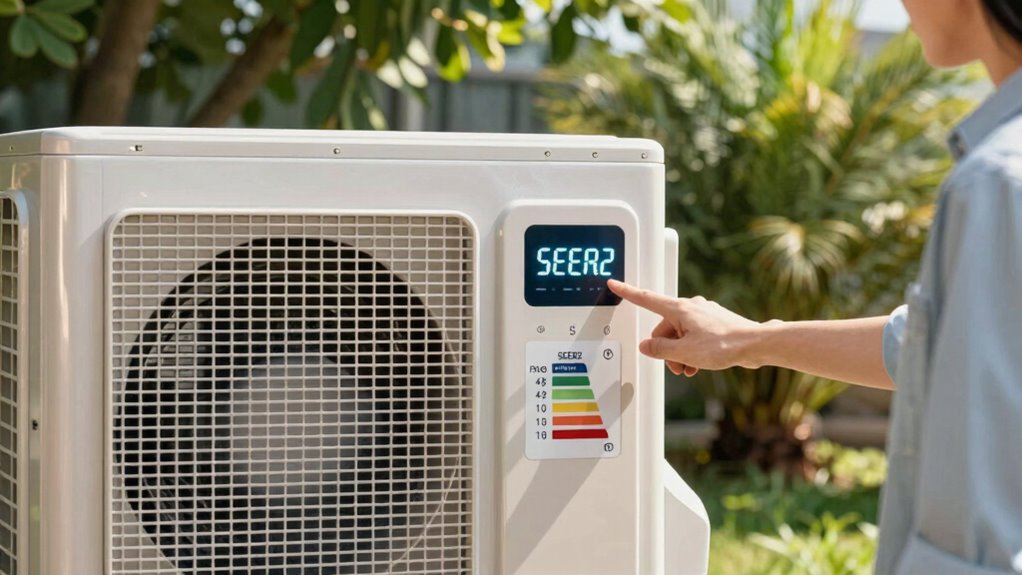
When shopping for a new air conditioner, choosing the right SEER2 rating can considerably impact your energy bills and comfort. Higher SEER2 units are more efficient, saving you money over time, but they often come with higher upfront costs. To select the best rating for your needs, consider your typical usage and climate. Proper appliance maintenance, like regular filter changes and coil cleaning, can boost efficiency regardless of SEER2. Also, optimize thermostat settings to prevent overcooling, which helps maximize the AC’s performance. Remember, a slightly lower SEER2 unit might save you money initially and still provide good efficiency if you maintain your system and set your thermostat wisely. Balancing upfront costs with long-term savings is key to making the right choice. Efficiency considerations play a crucial role in your overall energy savings and comfort.
What Factors Beyond SEER2 Affect Your Cooling Costs?
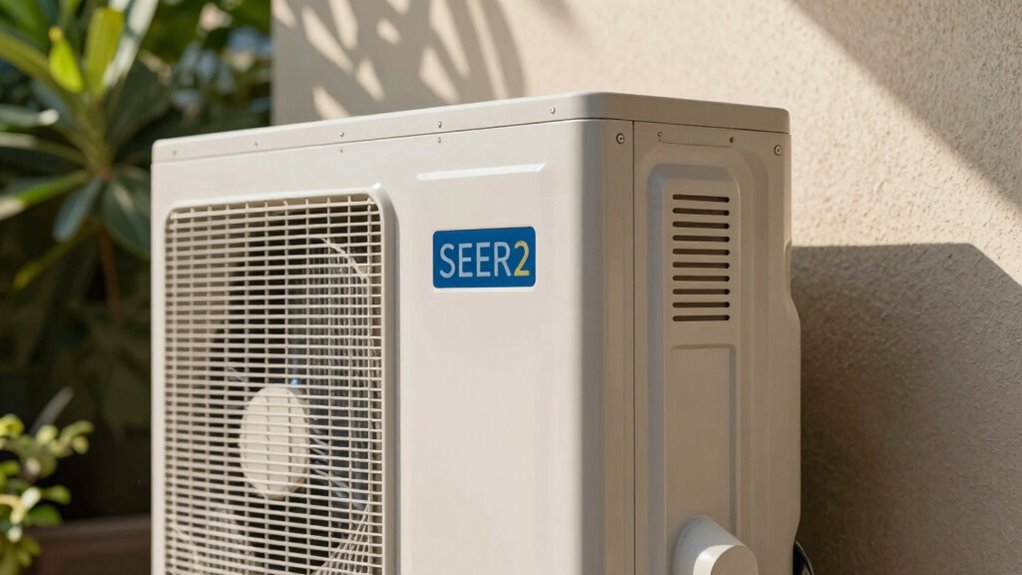
Your cooling costs aren’t determined by SEER2 alone; installation quality plays a big role in efficiency. Proper mount leveling kits ensure your system operates smoothly, preventing unnecessary strain and energy waste. The climate you live in and how often you use your AC also impact your energy bills. Paying attention to these factors can help you save more in the long run. Additionally, recognizing factors like indoor air quality can influence your overall comfort and energy use. Ensuring your system is properly maintained can extend its lifespan and improve efficiency, further reducing costs. Understanding system maintenance requirements ensures your AC operates at peak performance, further reducing costs.
Installation Quality Matters
While a high SEER2 rating indicates energy-efficient performance, installation quality plays a crucial role in determining actual cooling costs. Poor installation can lead to inefficiencies, causing your system to work harder and use more energy. Key factors include ensuring proper installation quality and maintaining ductwork integrity, which prevents air leaks and uneven cooling. If your ductwork is compromised, even the best unit will struggle to deliver consistent comfort and efficiency. Poor sealing or improper setup can considerably raise your electricity bills. To optimize your system’s performance, focus on professional installation and regular duct inspections. Additionally, ductwork integrity is vital for maintaining consistent airflow and temperature control. These steps help maintain efficiency, reduce energy waste, and keep your cooling costs as low as possible. Remember, a well-installed system maximizes your investment and comfort.
Climate and Usage
Climate conditions and how you use your cooling system substantially influence your energy costs beyond what SEER2 ratings indicate. Hotter, more humid climates demand more energy to keep you comfortable, regardless of efficiency ratings. Your usage patterns also matter; running your AC frequently or for long periods increases costs. Additionally, the shift toward renewable energy sources can lower your electricity bills if your provider offers greener options. Climate policy initiatives aimed at reducing emissions may impact energy prices over time, influencing your cooling expenses even further. So, understanding your local climate and how you operate your system helps you manage cooling costs better, regardless of SEER2 ratings. Being mindful of these factors ensures you’re making smarter choices for both comfort and savings.
How to Read and Compare SEER2 Labels on HVAC Units
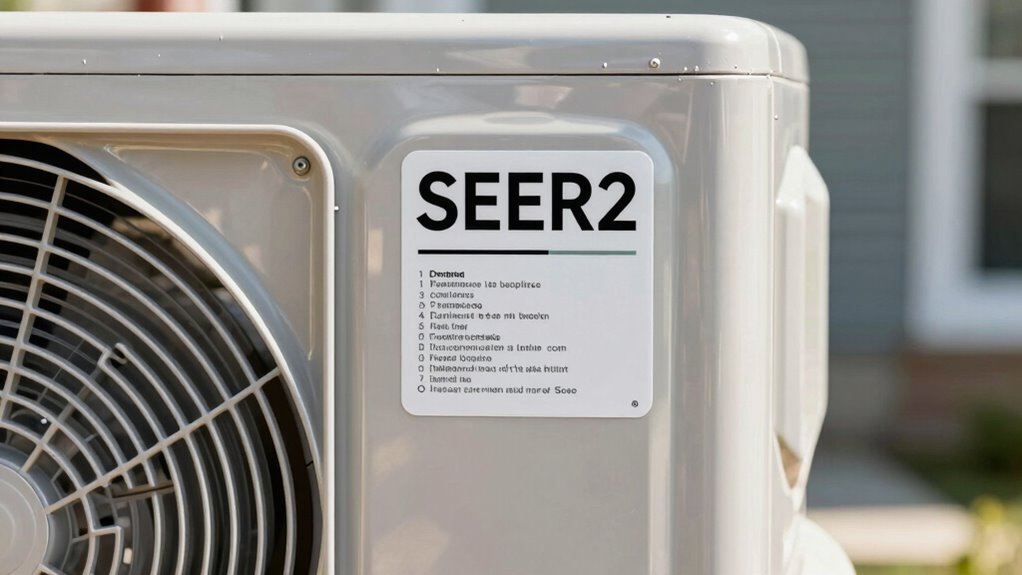
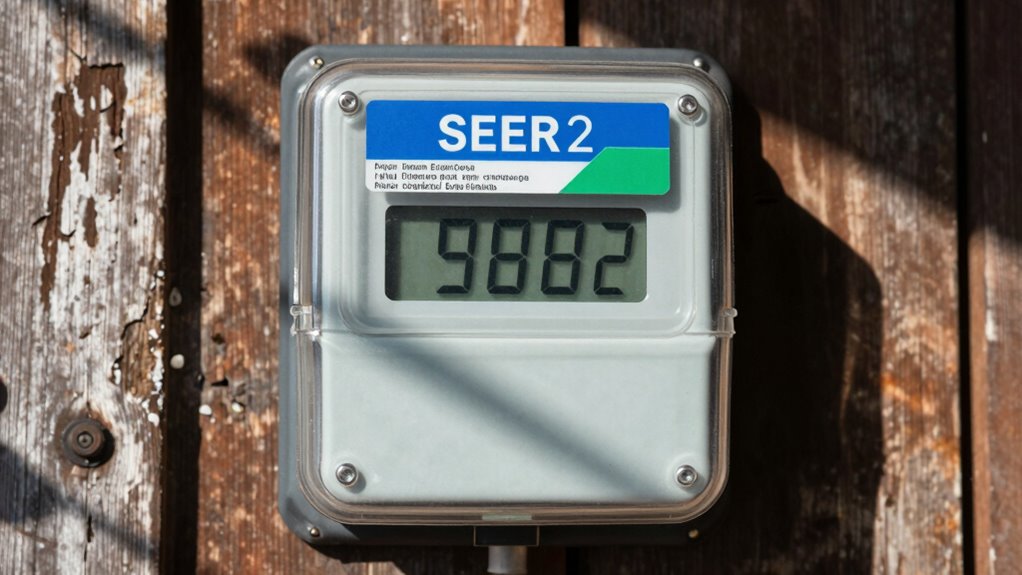
Reading and comparing SEER2 labels on HVAC units is straightforward once you understand what to look for. First, check the SEER2 rating itself—higher numbers mean better efficiency. Next, examine the refrigerant types used; newer units often use environmentally friendly options like R-410A. Also, look for mentions of inverter technology, which can markedly improve energy savings by adjusting compressor speed.
To compare units effectively, focus on these key points:
- SEER2 ratings for efficiency benchmarks
- Refrigerant types for environmental impact
- Presence of inverter technology for performance and savings
Common Myths About SEER2 and Energy Savings Debunked
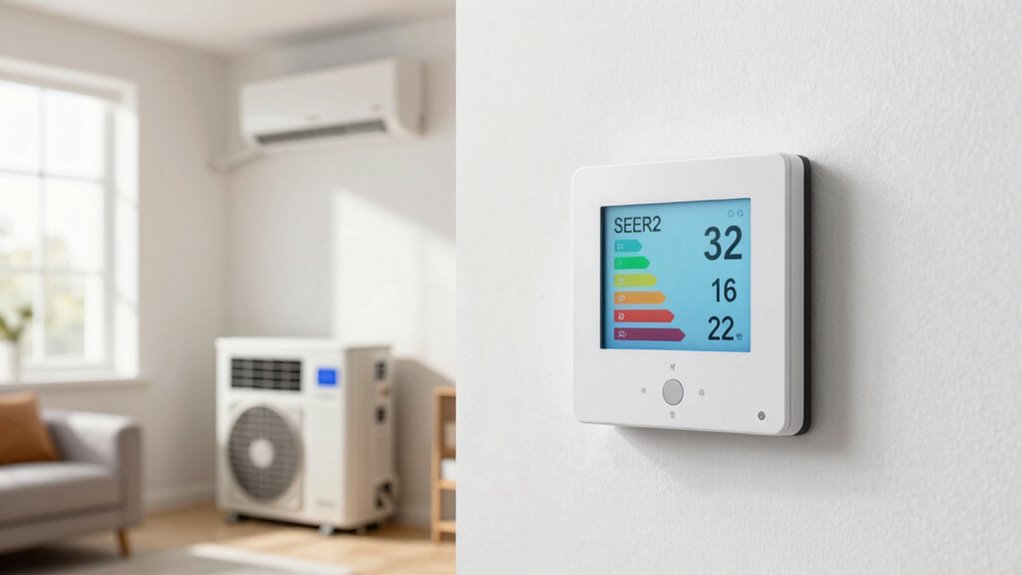
Many people believe that a higher SEER2 rating always guarantees significant energy savings, but that’s a common misconception. This falls under energy myths that can lead you to overlook other important factors affecting your bill. While a better SEER2 means your system is more efficient, real savings depend on your home’s size, insulation, and how you use your AC. Efficiency misconceptions also suggest that upgrading to the highest SEER2 unit always pays off quickly; however, the initial cost and your climate influence actual savings. Don’t assume that a higher number automatically results in lower bills. Instead, focus on proper sizing, regular maintenance, and understanding your specific energy needs to truly maximize efficiency and savings.
Practical Tips to Improve Your Home’s Cooling Efficiency and Save Money

To improve your home’s cooling efficiency and save money, start by optimizing your thermostat settings. Installing a smart thermostat allows you to program temperatures based on your schedule, reducing energy waste. Use window shades to block out heat during the hottest parts of the day, keeping your home cooler naturally. Additionally, consider these tips:
- Adjust your thermostat by a degree or two higher when you’re away or asleep.
- Close curtains or blinds during peak sunlight hours.
- Use smart thermostats to create energy-efficient cooling routines.
These simple actions can considerably lower your energy bills while maintaining comfort. Combining smart thermostats with proper shading techniques helps you maximize efficiency and savings effortlessly.
Frequently Asked Questions
How Often Do SEER2 Ratings Change or Get Updated?
You’ll see SEER2 ratings updated periodically, typically every few years, due to seasonal fluctuations and evolving regional standards. Manufacturers submit new data as technology improves, and agencies review and adjust ratings accordingly. These updates guarantee efficiency standards stay current, so your system performs at its best. Keep an eye on regional standards, as they influence how often ratings get revised, usually aligning with new regulations or technological advancements.
Does a Higher SEER2 Rating Always Mean Lower Energy Bills?
A higher SEER2 rating generally means better energy efficiency, which can lead to lower energy bills, but it doesn’t guarantee cost savings. Factors like installation, usage habits, and climate also play roles. While a more efficient unit reduces electricity consumption, your overall savings depend on how you operate it. So, choosing a higher SEER2 can help, but consider other efficiency measures for maximum cost savings.
Are There Rebates or Incentives for High SEER2 HVAC Units?
Yes, there are rebate programs and incentives for high SEER2 HVAC units. You can benefit from various rebate programs offered by local utility companies or government agencies, which can help offset the initial cost. To qualify, you need to check your incentive eligibility, as some programs require specific unit ratings or installation criteria. Always research available rebates in your area and consult with your HVAC installer to maximize your savings.
How Does Climate Affect the Importance of SEER2 Ratings?
Climate impact and regional standards make SEER2 ratings vital for your energy efficiency needs. If you live in a hot, humid area, a higher SEER2 unit can save you more on cooling costs. Conversely, in milder climates, the importance lessens. Regional standards also influence minimum SEER2 requirements, so understanding your area’s climate and standards helps you choose an HVAC system that maximizes efficiency and savings.
Can Existing AC Units Be Upgraded to Meet Newer SEER2 Standards?
You can upgrade your existing AC unit with retrofit options, but a cost analysis is essential to determine if it’s worth it. Retrofitting often involves replacing key components like the compressor or indoor coil to meet SEER2 standards. While it may save money compared to buying a new unit, sometimes replacing the entire system is more efficient. Consult an HVAC professional to evaluate your specific situation and options.
Conclusion
Understanding SEER2 helps you make smarter choices for your home’s cooling. By knowing what affects your electric bill, you can avoid falling for old tales and focus on what truly matters. Remember, choosing the right unit and maintaining it can save you money faster than a horse could race to the finish line. Stay informed, compare ratings carefully, and keep your home cool and efficient—it’s the modern way to beat the heat!
NFL season / tailgating Picks
team gear
As an affiliate, we earn on qualifying purchases.