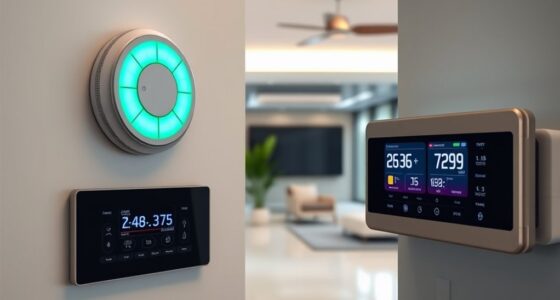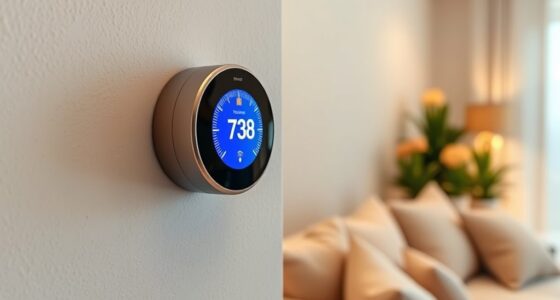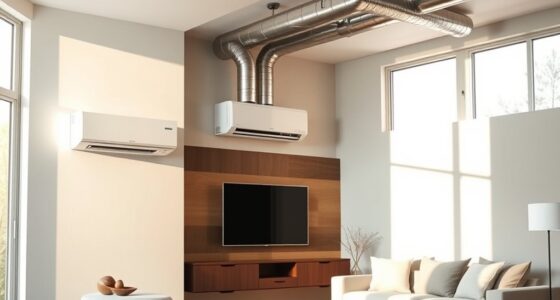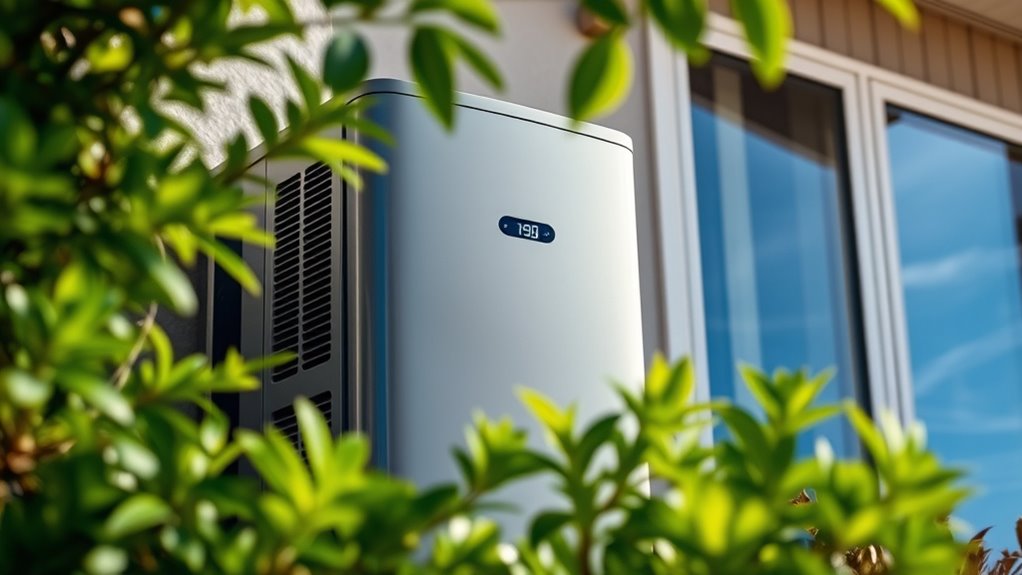

A heat pump is a versatile system that both heats and cools your home by transferring heat from one place to another. In winter, it pulls warmth from outside air or ground to warm your space, while in summer, it reverses to remove heat from indoors. It uses less energy than traditional systems, saving you money and reducing your environmental impact. To discover how to maximize its benefits, keep exploring how proper installation makes all the difference.

Get home appliances delivered free with Prime
- Fast, free delivery on millions of items
- Prime Video, Amazon Music and more included
- Member-only deals all year
Key Takeaways
- Heat pumps transfer heat from outside to indoors for heating and reverse for cooling, providing year-round climate control.
- They use less energy than traditional systems by moving heat instead of generating it directly.
- Suitable for various home sizes, with options like ductless mini-splits or ground-source systems.
- Proper installation ensures maximum efficiency, performance, and long-term savings.
- Incentives and rebates are often available to offset initial costs of installing heat pump systems.
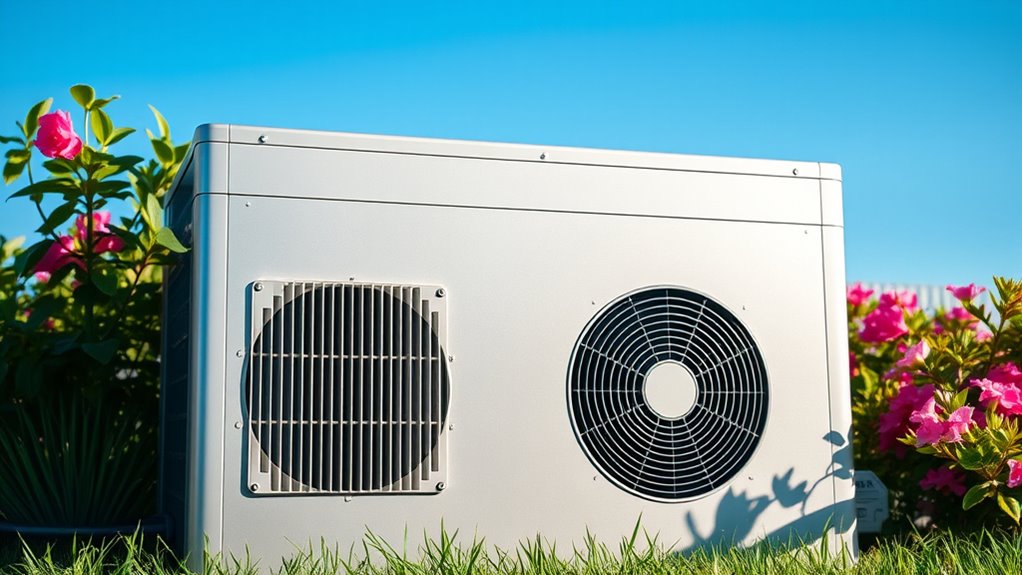
Have you ever wondered how heat pumps can efficiently heat or cool your home? These versatile systems are becoming increasingly popular because they can serve as both heating and cooling solutions, saving you space and money. One of the main advantages is their energy efficiency. Unlike traditional systems that generate heat or cool air by burning fuel or using electric resistance, heat pumps transfer heat from one place to another. In winter, they extract heat from the outside air or ground—even when it’s cold—and bring it inside to warm your home. During summer, they reverse the process, pulling heat out of your indoor air and expelling it outside, effectively cooling your space. This transfer process is far more efficient because it uses much less energy than conventional systems, leading to lower utility bills and a smaller carbon footprint.
However, it’s worth considering the installation costs of a heat pump, which can be higher upfront than traditional heating and cooling units. The initial expense depends on the type of heat pump you choose, the size of your home, and the complexity of the installation. For example, ductless mini-split systems tend to have lower installation costs because they don’t require ductwork, while ground-source or geothermal heat pumps involve digging and installing underground loops, which can be more costly initially. Despite these higher installation costs, many homeowners find that the long-term savings on energy bills make the investment worthwhile. Additionally, some regions offer incentives, rebates, or tax credits to help offset the initial expense, making the switch more affordable.
It’s also important to note that proper installation is essential to maximize a heat pump’s energy efficiency. An incorrectly installed system can result in reduced performance, higher energy consumption, and potential maintenance issues down the line. That’s why it’s imperative to work with experienced professionals who understand the specifics of your climate and home layout. Proper sizing of the unit ensures it can handle your heating and cooling needs without overworking or wasting energy. With the right installation, your heat pump can operate at peak efficiency for years, providing consistent comfort and significant savings.
As an affiliate, we earn on qualifying purchases.
Frequently Asked Questions
How Long Do Heat Pumps Typically Last?
Your heat pump’s lifespan usually ranges from 10 to 15 years with proper maintenance. Regularly servicing it can extend its efficiency and prevent major issues. Keep an eye on maintenance requirements like filter changes and coil cleaning, as neglect can shorten its lifespan. By staying proactive, you can maximize your heat pump’s durability and ensure it keeps heating and cooling your home effectively for many years.
Are Heat Pumps Effective in Very Cold Climates?
Think of a heat pump in a cold climate as a brave explorer facing icy mountains. While they can work effectively, their efficiency challenges grow in very cold weather. You might find that they struggle to keep up, especially during extreme cold snaps. However, modern models with advanced technology are improving, so you can still rely on them, but understanding their limits helps you prepare for those chilly days.
What Is the Average Cost of Installing a Heat Pump?
The average cost of installing a heat pump varies depending on your home’s size and the system type, but you can expect to pay between $3,500 and $8,000. During the installation process, a professional will evaluate your home’s needs, perform a cost comparison with traditional systems, and guarantee proper setup. Keep in mind, investing in a heat pump can save you money long-term through energy efficiency and lower utility bills.
Do Heat Pumps Require Regular Maintenance?
Did you know that regular maintenance can improve a heat pump’s efficiency by up to 15%? Yes, heat pumps do require routine upkeep to stay in top shape. While maintenance costs are generally low, neglecting it can lead to decreased efficiency and costly repairs. To maximize energy savings and efficiency improvements, you should schedule annual inspections and cleanings. This way, your heat pump stays reliable and cost-effective year-round.
Can Heat Pumps Be Used in Existing HVAC Systems?
You can definitely use heat pumps in your existing HVAC system, but you should consider energy efficiency and installation challenges. They often integrate smoothly, especially if your system is compatible, and can improve overall energy savings. However, installation may require modifications or upgrades, which could pose challenges. Consulting a professional ensures proper setup, maximizing efficiency and minimizing issues during the switch.
ground source geothermal heat pump
As an affiliate, we earn on qualifying purchases.
As an affiliate, we earn on qualifying purchases.
Conclusion
Just like a chameleon seamlessly adapts to its surroundings, a heat pump effortlessly switches between heating and cooling, keeping your home comfortable year-round. Its clever technology acts as a central character in the story of energy efficiency, transforming your space without the drama of traditional systems. Embrace this modern marvel, and let it be the steady hand guiding you through changing seasons, much like a seasoned traveler steering through the shifting landscape with ease and confidence.
As an affiliate, we earn on qualifying purchases.
As an affiliate, we earn on qualifying purchases.
Fall yard work Picks
leaf blowers
As an affiliate, we earn on qualifying purchases.