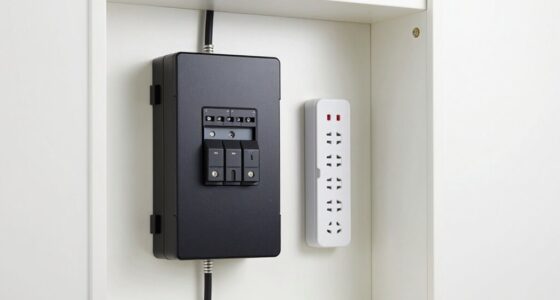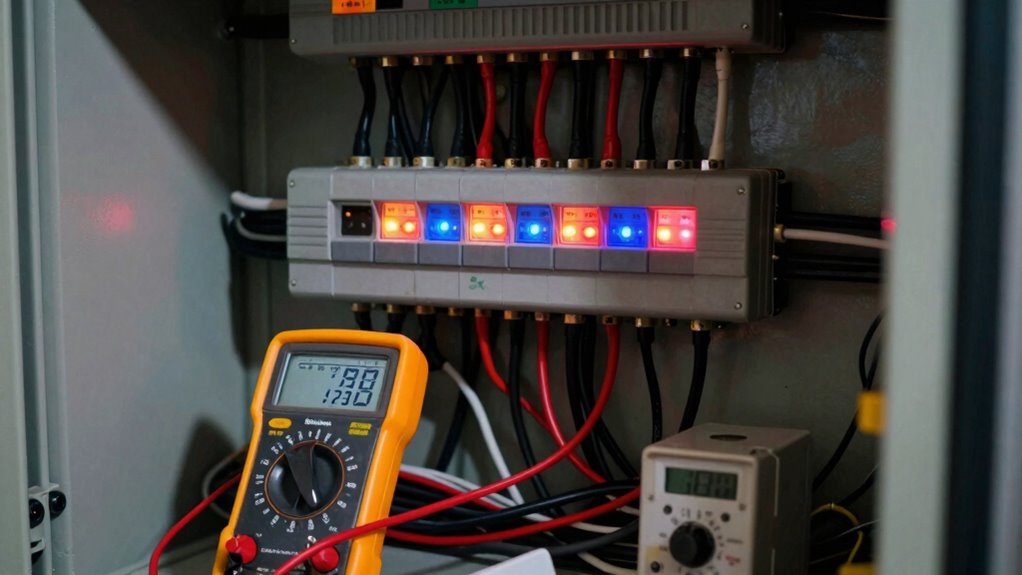
Underestimating your backup power needs can leave your essential devices vulnerable during outages, risking damage, shutdowns, and costly repairs. If you don’t accurately calculate wattage, surge demands, and peak loads, your system might overload or fail when you need it most. Proper sizing guarantees your backup can handle all necessary loads safely and reliably. Keep going to learn how to avoid this wattage trap and keep your system ready for any blackout.
Key Takeaways
- Underestimating surge wattage can cause system overloads and equipment damage during device startup.
- Accurate load assessment must include peak demands, not just continuous wattage, to prevent outages.
- Choosing backup capacity without considering battery chemistry and inverter efficiency risks system unreliability.
- Oversizing backup systems wastes resources, while undersizing risks critical device shutdowns during power failures.
- Proper capacity planning ensures voltage stability, protects equipment, and maintains reliable backup power during outages.
The Hidden Risks of Underestimating Your Backup Power Needs
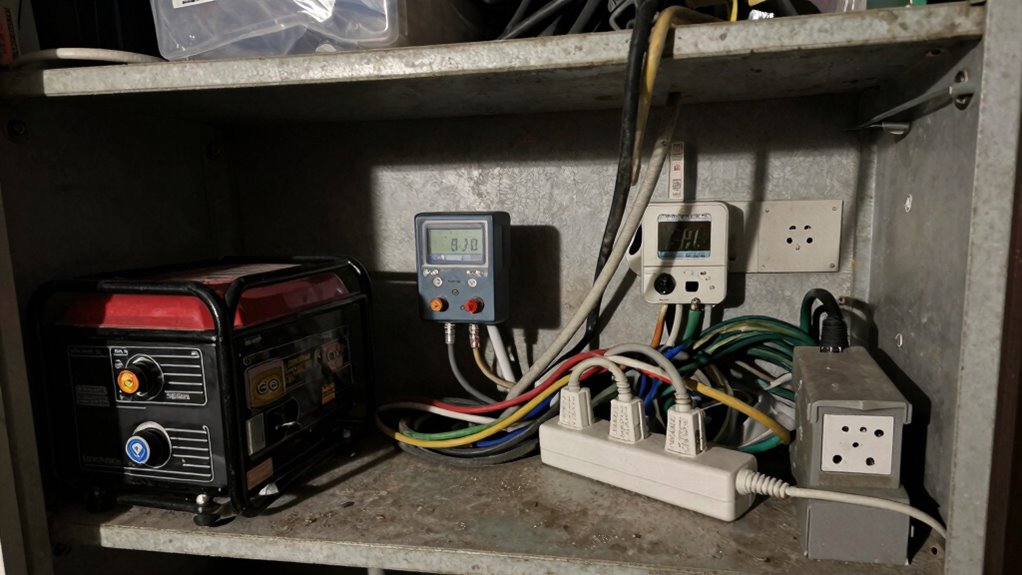
Underestimating your backup power needs can lead to serious consequences during outages. If you don’t account for battery chemistry, your system might not deliver sustained energy when you need it most. Different chemistries, like lithium-ion or lead-acid, have varying capacities and recharge rates, affecting reliability. Additionally, inverter efficiency plays a vital role; a less efficient inverter wastes power, reducing overall backup time. An improperly sized system can also result in system overloads, risking damage to your components and loss of critical functions. Properly sizing your system by understanding battery chemistry and selecting high-efficiency inverters ensures you won’t get caught unprepared, minimizing the hidden risks that come with underestimating your backup power requirements. Recognizing the importance of system capacity helps prevent shortfalls during emergencies and maintains essential operations.
Why Proper Backup Power Sizing Matters for Your Home or Business
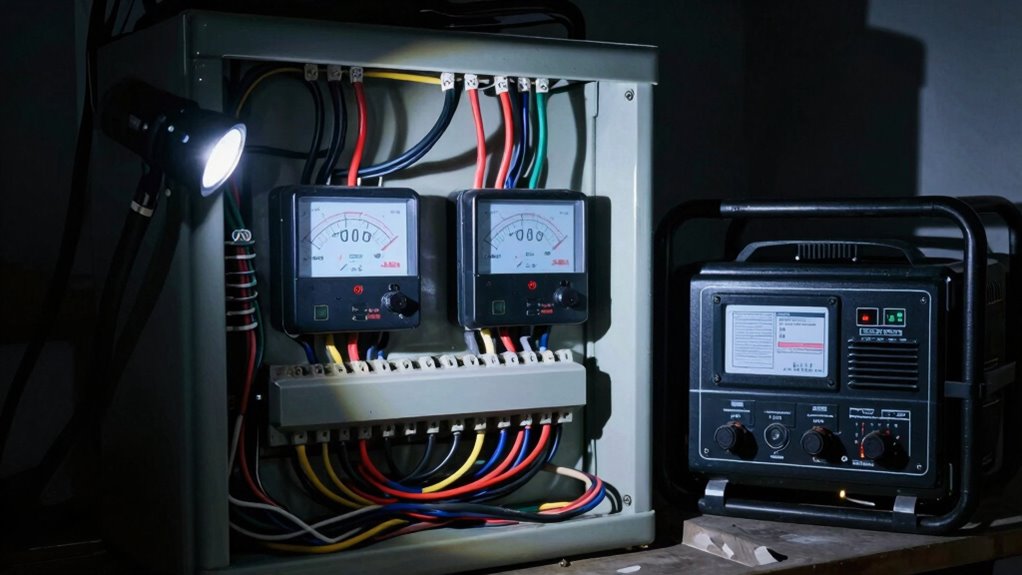
Getting your backup power properly sized guarantees your home or business can handle the actual power demand without risking overloads. If your system is too small, you’ll lose critical functions during outages; if it’s too large, you may waste money and resources. Accurate sizing keeps everything running smoothly and safely when the power goes out. Considering battery capacity and watt-hour ratings ensures your generator provides the right amount of power for your needs. Proper load management can help prevent system overloads and extend your backup power’s lifespan. Additionally, understanding electrical basics is essential for safe and effective system setup and maintenance. Being aware of regulatory and environmental considerations helps ensure your backup power system complies with local standards and minimizes ecological impact.
Power Demand Accuracy
Accurately evaluating your power demand is essential because it guarantees your backup system can handle the actual load during an outage. Proper load estimation ensures you’re not under or overestimating your needs, which can lead to system failure or unnecessary expenses. When you understand your true power demand, you select the right size generator or backup solution that can support essential appliances and systems without risking overload. Relying on incorrect load estimation might cause your backup system to trip or fail when you need it most. Taking the time to precisely determine your power demand allows you to avoid these pitfalls, ensuring your backup power will reliably keep your home or business operational during outages. Proper sizing is about accuracy, not just wattage. Understanding your power requirements is a key step in this process to prevent mismatched capacity issues. Additionally, considering power demand fluctuations can help you plan for peak loads and ensure your backup system remains effective under varying conditions. Recognizing the importance of load analysis helps optimize your backup system’s performance and longevity. Moreover, incorporating accurate load assessment techniques can improve the overall efficiency of your backup power system. Being aware of power supply stability can further enhance your system’s reliability during critical moments.
Preventing Overload Risks
Proper backup power sizing is crucial because an oversized or undersized system can lead to serious overload risks. An incorrectly sized system may strain your batteries, causing rapid wear and reducing lifespan if not properly maintained. Regular battery maintenance ensures your backup power remains reliable and prevents overloads caused by depleted or faulty batteries. Additionally, integrating surge protection safeguards your system from voltage spikes that could overload components or damage sensitive equipment. Accurate sizing also plays a vital role in fostering growth mindsets by promoting confidence in your system’s reliability and safety. Proper planning also ensures your system can handle peak loads without risking overload, giving you peace of mind during power outages. Recognizing the importance of proper system design helps in selecting the right components and capacity for your needs. Incorporating system capacity assessment can further optimize your setup for current and future demands. Understanding load management strategies is essential for maintaining system stability and preventing overloads. Ultimately, correct sizing and maintenance protect your investment and keep your home or business safe.
Understanding Wattage: The Key to Accurate Backup Power
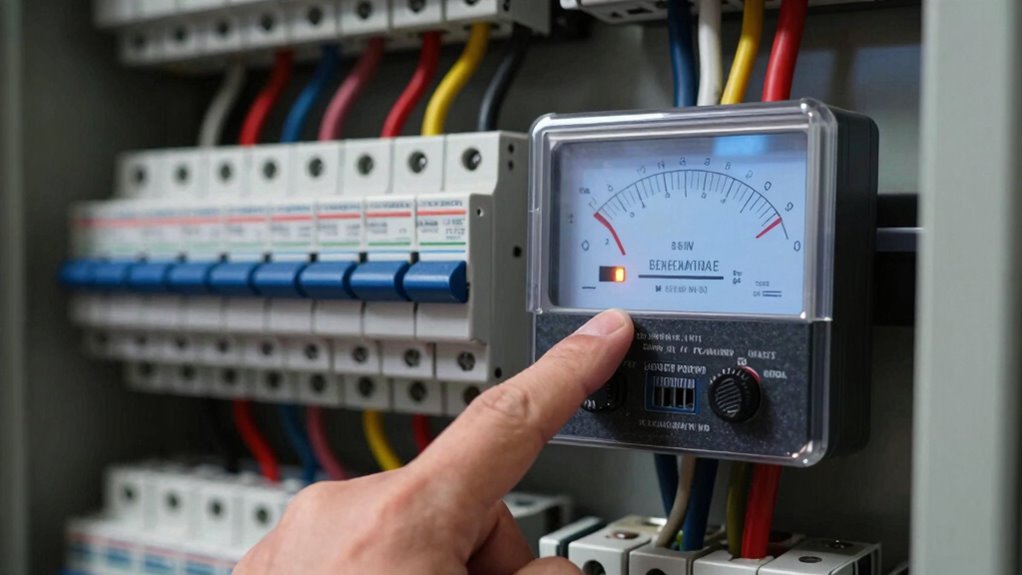
Understanding wattage is essential for sizing your backup power correctly. You need to know the difference between your devices’ continuous and surge power to avoid overloads. Accurate load calculations help guarantee your backup system provides reliable energy without wasting capacity. Additionally, considering cycling gear maintenance can ensure your equipment operates efficiently during outages. Properly managing region-specific flavors can also streamline your power planning by aligning with regional energy demands and availability. Embracing calm and clarity in your planning can also reduce stress and improve decision-making when managing power needs. Recognizing the importance of family photoshoot fails can remind you of the value of preparedness and troubleshooting during unexpected situations. Being aware of timing and synchronization is crucial for ensuring your backup power system functions seamlessly during outages.
Wattage vs. Power Needs
Wattage is a fundamental factor when sizing backup power systems because it directly reflects how much energy your devices consume. However, understanding your actual power needs involves more than just wattage; it requires considering voltage fluctuations and appliance compatibility. Some devices may have high startup wattage but lower running wattage, which can affect your system’s capacity. Ignoring these nuances might lead to underestimating your backup power requirements, leaving critical devices unprotected. Make sure your backup system can handle the peak wattage of appliances with high surge demands. Additionally, appliance compatibility plays a role in ensuring the system can support all connected devices without issues. By accurately matching wattage to your power needs, you ensure your backup system provides reliable support without overloading or underperforming, especially when voltage fluctuations occur. Proper sizing keeps your devices safe and your power supply dependable.
Continuous vs. Surge Power
When sizing your backup power system, recognizing the difference between continuous and surge power is essential. Continuous power is the steady wattage your system can handle over time, while surge capacity is the extra wattage needed for brief, high-demand moments—like startup spikes. Many devices have a low power factor, meaning they draw more current than their wattage suggests, making surge capacity even more critical. If your backup system’s surge capacity isn’t sufficient, your equipment may fail or shut down unexpectedly during startup. To avoid this, select a generator or UPS that clearly states both continuous and surge power ratings. Properly accounting for both guarantees your system can handle normal loads and sudden power surges without leaving you in the dark.
Accurate Load Calculation
How can you guarantee your backup power system will reliably support your devices? The key lies in accurate load calculation. Start by understanding load estimation: assess each device’s wattage to determine the total power needed. Avoid guessing; overestimating leads to unnecessary costs, while underestimating risks system failure. Focus on these points:
- Check manufacturer’s device wattage specifications
- Include startup surge wattage for motors and compressors
- Account for future device additions
- Use a reliable wattmeter for real-time measurements
- Differentiate between continuous and surge loads
Common Mistakes People Make When Estimating Power Needs

One common mistake people make when estimating power needs is assuming their backup system only needs to handle their essential devices, without considering the total load during peak usage. This oversight can lead to underestimating the required battery capacity, leaving you without power when you need it most. Many fail to account for load balancing, which involves distributing power demands evenly to prevent overloads and ensure stability. By not accurately evaluating the combined wattage of all devices during peak times, you risk selecting a system that can’t sustain your backup needs. Proper load balancing helps optimize battery capacity, ensuring your system can handle sudden surges without failure. Avoid these mistakes by thoroughly appraising your total power requirements, including peak loads, to choose the right backup power solution.
How to Calculate the Wattage of Your Essential Devices

Calculating the wattage of your essential devices is a crucial step in sizing your backup power system. To do this accurately, you need to focus on load estimation and power measurement. Start by checking the labels on your devices, which often list wattage or amperage and voltage. For devices without labels, use a power meter to measure actual power consumption. Remember, surge wattage can be higher than running wattage, so include those in your calculations. Keep in mind that some devices have variable power usage, so use the highest estimated wattage for safety. Proper load estimation ensures your backup system can handle all essential devices without overload or failure.
- Understand device labels and specifications
- Use a power meter for precise measurement
- Account for surge wattage during startup
- Consider variable power consumption
- Add a safety margin for future needs
Choosing the Right Generator or UPS Based on Your Wattage
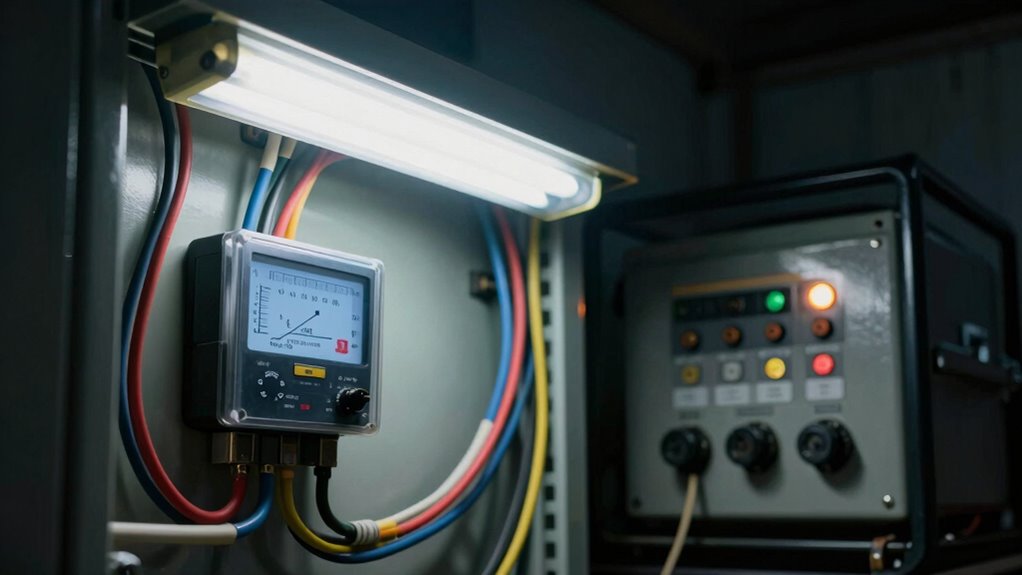
Once you’ve determined the total wattage your devices require, selecting the right generator or UPS becomes straightforward. Focus on load estimation to ensure your backup power can handle your needs without overloading. For generator sizing, choose a unit with at least 20-25% extra capacity to accommodate startup surges and future growth. To help you compare options, here’s a quick guide:
| Power Source | Suitable For | Key Feature |
|---|---|---|
| Small Generator | Basic appliances, small office | Portable, budget-friendly |
| Large Generator | Entire home or office | High capacity, reliable |
| UPS | Critical electronics, servers | Instant power, clean energy |
| Hybrid System | Mixed loads, backup flexibility | Combines generator & UPS |
Selecting the right power source based on load estimation guarantees overloads and ensures smooth operation.
Risks of Underestimating Wattage and How It Can Leave You in the Dark
Underestimating your power needs can lead to sudden failures when your backup can’t handle the load. This increases the risk of damaging your equipment and losing critical data. Without proper sizing, unexpected outages will leave you in the dark when you need backup most.
Power Shortages Cause Failures
Power shortages can lead to critical failures when your backup power system isn’t properly sized. Underestimating your wattage needs results in insufficient power during outages, causing essential devices to shut down unexpectedly. This risk is compounded by factors like battery chemistry, which affects how much energy your system can store and deliver, and inverter efficiency, which determines how effectively DC power converts to AC. If these aren’t optimized, your system may fall short when you need it most. Common issues include system overloads, underperformance, and unexpected downtime. To prevent this, accurately calculate your wattage, considering peak loads and device startup surges. Proper sizing guarantees your backup remains reliable, avoiding the dark moments that come with power shortages and system failures.
Equipment Damage Risks Increase
Failing to accurately size your backup power system can cause serious equipment damage. When your system isn’t powerful enough, it forces components to operate outside their essential limits, risking overheating or electrical stress. Battery chemistry plays a vital role here—using mismatched or low-quality batteries can lead to rapid degradation or failure if the inverter struggles to handle the load. Additionally, inverter efficiency impacts how well your backup system manages power; an inefficient inverter wastes energy and generates excess heat, increasing wear on connected equipment. Underestimating wattage can cause power surges or inconsistent supply, damaging sensitive electronics over time. To protect your gear, you need precise calculations that account for these factors, ensuring your backup power system can handle your equipment’s true demands without risking damage.
Unexpected Outages Occur
When your backup power system isn’t sized properly, unexpected outages can leave you completely in the dark. Underestimating wattage can cause your system to fail when you need it most, risking data loss, spoiled food, or compromised safety. If your battery maintenance isn’t up to par, the batteries may not hold enough charge during outages. Inverter compatibility issues can prevent your system from supporting essential devices. You might also find your backup power runs out quickly, or worse, doesn’t activate at all. Planning for unexpected outages means choosing the right wattage, maintaining batteries properly, and ensuring your inverter can handle your load. Without these precautions, you’ll be vulnerable when the next blackout strikes. Stay prepared to avoid being left in the dark when it matters most.
Top Tips for Proper Backup Power Sizing During Outages
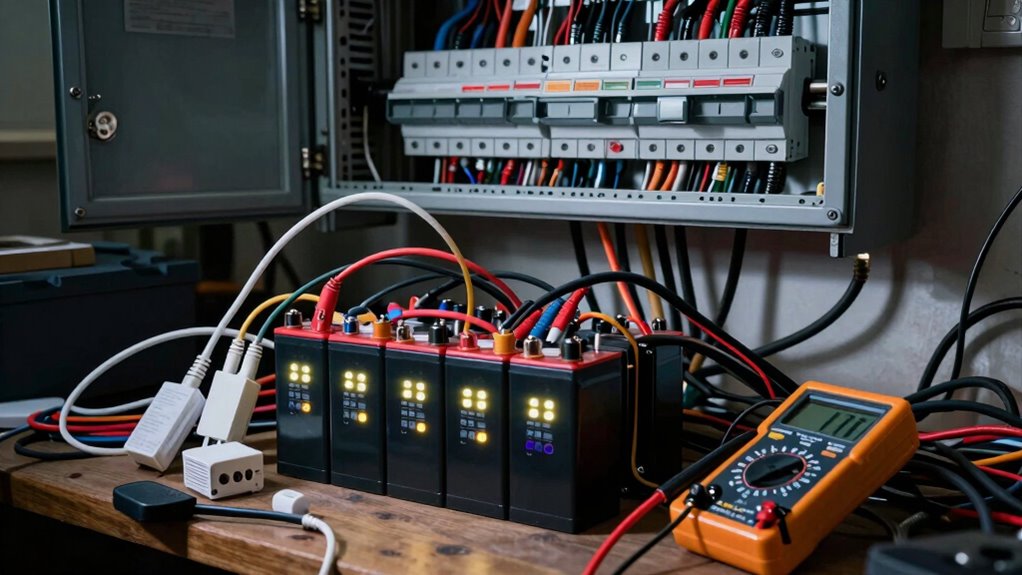
During outages, making certain your backup power system is properly sized is essential to keep critical devices running without overloading the generator. Start by accurately calculating your essential load to avoid unnecessary strain. Proper load balancing ensures your system isn’t overwhelmed, which can cause damage or reduce battery longevity. When selecting batteries, consider their capacity and how they’ll perform over multiple outages, as frequent cycling can reduce lifespan. Regularly test your system to identify potential issues before emergencies occur. Avoid underestimating your power needs, but also don’t overdo it, as excess capacity adds unnecessary costs. Proper sizing ensures reliable operation, extends battery life, and prevents overloads, giving you peace of mind when outages strike.
Balancing Cost and Capacity: How to Pick the Perfect System
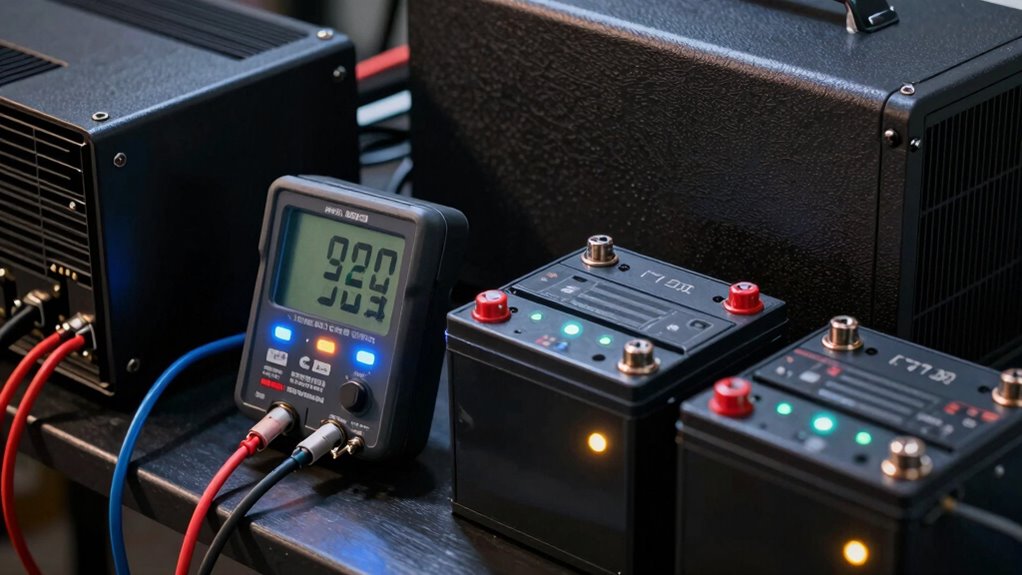
Choosing the right backup power system involves finding a balance between upfront costs and long-term performance. To achieve this, focus on effective capacity planning and cost optimization. Avoid over-investing in capacity you won’t need, and don’t skimp on future-proofing for growth. Consider your essential loads carefully, and choose a system that can handle peak demands without overspending. Evaluate options that offer flexibility and scalability, so you can adjust as your needs evolve. Keep in mind that cheaper systems might save money initially but could cost more in maintenance or replacement later. Proper capacity planning ensures you get the performance you need without unnecessary expenses. Balance these factors to select a system that’s both affordable and reliable in the long run.
Real-Life Examples of Wattage Mistakes and What You Can Learn

Many backup power failures stem from wattage miscalculations that seemed minor at first but caused significant problems later. For example, a sudden power surge can overwhelm an undersized system, leading to shutdowns or damage. In one case, an overlooked voltage stability issue caused equipment to malfunction during an outage, despite the backup system meeting basic wattage requirements. These mistakes highlight the importance of accounting for peak power demands and transient loads, not just continuous wattage. Underestimating the true power needs leaves your system vulnerable to surges and voltage fluctuations, risking equipment failure. Learning from these real-life examples shows you must consider surge capacity and voltage stability when sizing your backup power to ensure reliable, safe operation during outages.
Frequently Asked Questions
How Often Should I Reassess My Backup Power Requirements?
You should reassess your backup power requirements at least once a year or whenever your power consumption changes substantially. Regular checks ensure your system remains flexible and capable of handling increased loads. Changes like new appliances or expanded equipment can impact your power needs, so staying proactive helps prevent unexpected outages. Keeping your backup system up-to-date guarantees reliable performance and continuous protection during outages.
Can I Upgrade My System Later Without Starting Over?
Yes, you can upgrade your system later without starting over, but you’ll need to take into account battery expansion and system compatibility. Make sure your current setup allows for additional batteries and that new components match your existing system specifications. Check if your inverter and charger can handle increased capacity. Planning ahead makes future upgrades smoother, so consult manufacturer guidelines or a professional to avoid compatibility issues and maximize your backup power’s effectiveness.
What Safety Considerations Are Involved in Backup Power Sizing?
You might think sizing your backup power is simple, but generator safety and battery maintenance prove otherwise. Always make certain your generator is properly ventilated, grounded, and regularly inspected to prevent hazards like carbon monoxide poisoning or electrical fires. For batteries, avoid overcharging and keep terminals clean to prevent leaks or explosions. Taking these safety precautions safeguards your home and keeps your backup system reliable during emergencies.
How Do Seasonal Changes Affect My Backup Power Needs?
Seasonal fluctuations and weather impact your backup power needs substantially. During winter, you might require more energy to heat your home, increasing wattage demands. In summer, cooling systems can also spike power requirements. Cold or stormy weather can strain your system, so you should size your backup power to handle these seasonal variations. Planning for weather impact ensures your backup system remains reliable, no matter the season.
Are There Industry Standards for Backup Power Sizing Accuracy?
Like a trusty compass guiding sailors, industry standards help you achieve backup power sizing accuracy. They emphasize precise power calculation and thorough load assessment, ensuring your system can handle peak demands. While standards like NFPA or IEEE provide guidelines, you should tailor them to your unique needs. Relying on these benchmarks minimizes risks of under or over-sizing, keeping your backup system reliable and ready for any blackout.
Conclusion
So, next time you pick a backup power system without doing your homework, remember: pretending your toaster and your server draw the same wattage won’t keep the lights on when it matters most. Avoid the darkness, literally and figuratively. Proper sizing isn’t just about saving pennies; it’s about not being left in the dark when life throws a blackout your way. Because, after all, who needs power when you can just stare at a dark room and pretend it’s mood lighting?