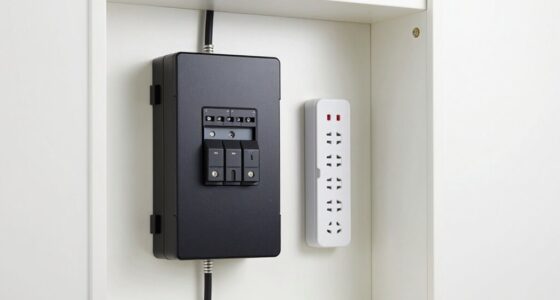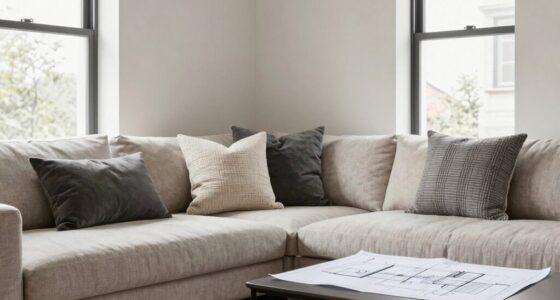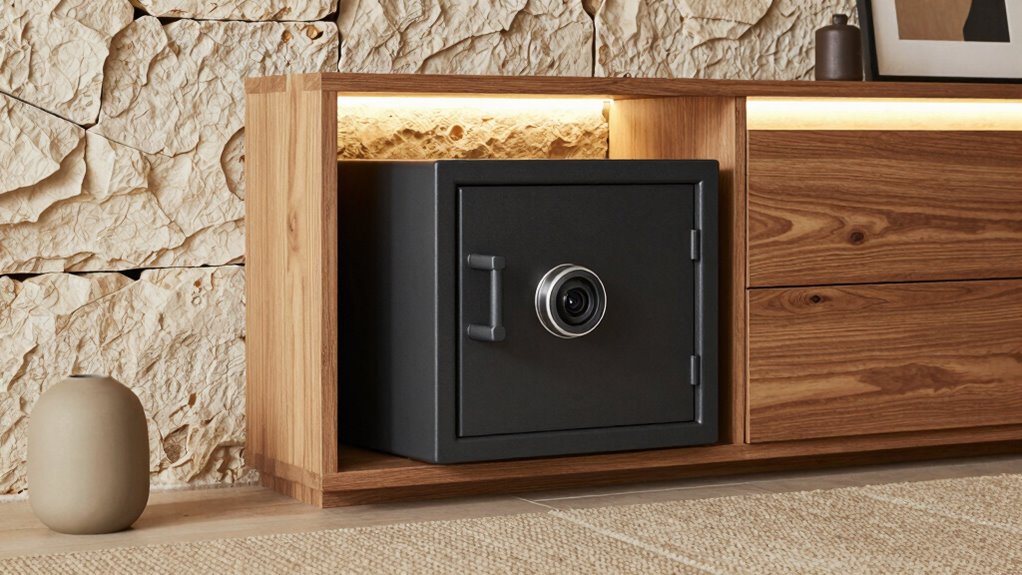

You’ll find that the placement of your home safe is more vital than its specs because a hidden, strategic spot makes it harder for intruders to find and access your valuables. Discreet locations behind false walls or inside closets shield it from plain sight, reducing theft risks. Proper positioning also protects your safe from environmental damage and guarantees it’s easy for you to access when needed. Want to discover how to choose the best spot? Keep exploring for expert tips.
Listen free for 30 days with Audible
Thousands of audiobooks and originals — cancel anytime.
As an affiliate, we earn on qualifying purchases.
Key Takeaways
- Discreet placement minimizes visibility, reducing the risk of theft regardless of safe’s technical features.
- Strategic location near high-traffic areas enhances accessibility while maintaining security.
- Proper anchoring and concealment prevent burglars from easily removing or locating the safe.
- Environmental factors like moisture or heat can damage contents, making placement critical for safety.
- Combining placement with security features creates a layered defense, often more effective than specs alone.

Have you ever wondered where to place your home safe for maximum security and convenience? It’s tempting to focus on the safe’s specs—its fireproof materials, size, or lock type—but the truth is, placement plays a bigger role in protecting your valuables. Even the most advanced safe won’t serve its purpose if it’s hidden in plain sight or located where burglars can easily access or bypass it. The key is to think strategically about where you put it, balancing security, accessibility, and environmental factors.
Start by choosing a location that’s discreet. You don’t want your safe to be obvious or in plain view, as that invites unwanted attention. Think about hiding it behind a false wall, inside a closet, or beneath a layer of inconspicuous furniture. Fireproof materials are great for safeguarding against heat and flames, but if the safe is easily found, its protective features become irrelevant. The goal is to make it difficult for intruders to discover or reach your safe quickly. Remember, a biometric lock adds an extra layer of security, ensuring only authorized users can access the contents. But even the most sophisticated lock won’t matter if the safe is in an open, obvious spot.
Choose a discreet spot behind false walls, inside closets, or under inconspicuous furniture to keep your safe secure and hidden.
Positioning your safe near high-traffic areas like the bedroom or master closet provides convenience for everyday access. It’s easier to remember to lock it and retrieve items when it’s close by. However, avoid placing it near windows or vents where it could be compromised through outside access or environmental damage. Also, consider the temperature and humidity of the location. Fireproof safes are designed to withstand heat, but extreme moisture or direct sunlight could harm sensitive contents. An interior closet or basement corner with stable conditions often works best. Additionally, understanding the importance of safe placement can significantly enhance the security of your valuables by reducing the risk of theft or damage. Proper installation and anchoring are equally crucial to prevent the safe from being moved or stolen. Regularly inspecting the safe’s surroundings and security measures can help identify vulnerabilities before they become issues. Using security features like alarms or surveillance can also act as deterrents to potential intruders.
Another critical factor is anchoring the safe securely to the floor or wall. No matter how clever your placement, a safe that’s not anchored can be easily stolen. Secure installation deters burglars and prevents accidental tipping or damage. Pair this with a biometric lock for quick access when needed and a fireproof safe for protection against natural disasters. The combination of smart placement, sturdy anchoring, and high-quality features ensures your valuables stay safe and accessible when you need them most.
In the end, it’s not just about how strong or feature-rich your safe is; it’s about how and where you install it. Thoughtful placement makes all the difference, maximizing the security benefits of your investment.
As an affiliate, we earn on qualifying purchases.
Frequently Asked Questions
How Does Room Lighting Affect Safe Visibility?
Room lighting considerably impacts safe visibility by affecting how easily you can see inside your safe. Poor lighting conditions make it harder to locate or access items quickly, reducing security and convenience. To enhance visibility, use strategic lighting like LED strips or small lamps near your safe. This visibility enhancement helps you easily find what you need without fumbling around in the dark, ensuring your safe remains secure and accessible.
What Are the Best Wall Materials for Safe Installation?
Choose walls with solid, reinforced structures that can support your safe securely. Look for materials like concrete, brick, or reinforced drywall, which provide better wall reinforcement. Avoid flimsy or hollow walls that compromise stability. Soundproofing materials, such as mass-loaded vinyl or additional drywall layers, can add extra strength and noise reduction. Prioritize sturdy, well-constructed walls to guarantee your safe stays protected and secure over time.
Can Furniture Placement Compromise Safe Security?
Yes, furniture arrangement can compromise your safe’s security if it blocks access or visibility. Poor placement might make it easier for intruders to locate or target your safe. To optimize security, focus on strategic furniture placement that keeps the safe discreet and accessible only to you. Proper security optimization involves hiding the safe behind or inside furniture, ensuring it’s not obvious, and maintaining clear yet concealed access routes.
How Does Proximity to Windows Impact Safe Security?
Proximity to windows can compromise safe security because it exposes your safe to potential prying eyes and sunlight exposure, which can weaken the materials over time. If your safe is near windows, it may reduce window privacy, making it easier for intruders to spot or target the safe. To protect your valuables, place the safe away from windows, ensuring it’s hidden from sight and shielded from harmful sunlight exposure.
Are There Specific Floor Types That Improve Safety?
You notice your safe is more secure on a hardwood floor, but the right flooring really depends on durability. Hardwood offers strength and stability, reducing movement that could compromise your safe. Carpet, while softer, might absorb shocks but can hinder anchoring. Choosing a floor with high durability guarantees your safe stays in place and remains secure, making your setup more effective regardless of the floor type.
fireproof safe with biometric lock
As an affiliate, we earn on qualifying purchases.
As an affiliate, we earn on qualifying purchases.
Conclusion
So, next time you’re shopping for a safe, remember: it’s not about the bells and whistles or the fancy specs. Nope, it’s all about hiding it behind the portrait, under the floorboards, or inside the fake book. Because, clearly, the best way to keep your valuables safe is to make sure no one ever thinks to look there—your secret storage strategy is basically the ninja of security. Happy hiding!
As an affiliate, we earn on qualifying purchases.
As an affiliate, we earn on qualifying purchases.
NFL season / tailgating Picks
team gear
As an affiliate, we earn on qualifying purchases.