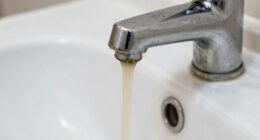
A whole-house water strategy matters more than just focusing on one great faucet because it guarantees every tap, appliance, and fixture in your home provides safe, filtered water. It protects your health, extends the lifespan of plumbing, and saves you money on repairs. By maintaining an all-inclusive approach, you prevent issues like sediment buildup, corrosion, or poor water quality elsewhere. If you keep exploring, you’ll discover how investing in a whole-house system offers lasting benefits for your home and well-being.
Key Takeaways
- Ensures clean, safe water at every tap, not just one, protecting overall health and hygiene.
- Prevents plumbing issues and fixture damage by maintaining system-wide water quality.
- Saves money and effort by reducing the need for multiple individual filters and repairs.
- Protects appliances and fixtures from damage caused by hard water or impurities.
- Provides consistent, reliable water quality throughout the entire home, enhancing convenience and peace of mind.

Have you ever considered how your entire home depends on the quality and availability of water? It’s easy to think that a great faucet or a sparkling shower makes your daily routines seamless, but the truth is, these are just small parts of a much larger system. A whole-house water strategy guarantees that every tap, appliance, and fixture throughout your home delivers clean, safe water. Instead of focusing on just one great faucet, you should prioritize thorough water filtration and proper plumbing maintenance. This approach protects your health, extends the lifespan of your plumbing, and saves you money in the long run.
A whole-house water strategy ensures safe, clean water for every tap and fixture, protecting your health and home.
When you implement a whole-house water filtration system, you’re not just improving water quality at a single point. Instead, you’re guaranteeing the water supply that feeds your entire home is filtered and free of contaminants, sediment, chlorine, and other impurities. This means no more worrying about the water you use for cooking, cleaning, bathing, or laundry. It’s a proactive step that guarantees every drop meets high standards, rather than relying on spot treatments at individual fixtures. Plus, with filtered water flowing seamlessly through your entire house, you avoid the inconvenience of constantly replacing filters or dealing with inconsistent water quality at different faucets. Ensuring proper plumbing maintenance is essential to maintaining this system effectively. Regular upkeep also helps prevent the buildup of minerals and debris that can interfere with water flow and quality. Additionally, understanding the importance of water quality can help you make better decisions about your plumbing and filtration investments.
Plumbing maintenance plays a vital role in supporting your whole-house water strategy. Regular inspections, pipe checks, and timely repairs prevent leaks, corrosion, and blockages that can compromise water flow and quality. Neglecting plumbing maintenance often leads to reduced water pressure, foul odors, or even pipe bursts—all of which disrupt your entire water system. By keeping your plumbing in top shape, you guarantee that your water filtration system works effectively, and your home’s water supply remains reliable. This proactive approach reduces the risk of costly emergency repairs and helps catch problems early before they escalate. A comprehensive water management plan ensures you’re addressing potential issues before they impact your daily routines.
Investing in whole-house water systems also ensures better protection against issues caused by hard water or corrosive elements, which can damage appliances and fixtures over time. This holistic view emphasizes the importance of investing in quality plumbing maintenance and water filtration that serve your entire household, not just a single faucet. Ultimately, it’s about creating a consistent, safe, and efficient water supply that supports your daily life. When you prioritize your entire home’s water system, you’re making a smart choice that benefits your health, your home’s integrity, and your peace of mind.
whole house water filtration system
As an affiliate, we earn on qualifying purchases.
As an affiliate, we earn on qualifying purchases.
Frequently Asked Questions
How Often Should a Whole-House Water System Be Maintained?
You should schedule whole-house water system maintenance every 6 to 12 months to keep your water filtration effective. Regular upkeep helps extend the system lifespan and guarantees clean, safe water throughout your home. During maintenance, replace filters, check for leaks, and inspect parts. Staying consistent prevents buildup and prolongs efficiency, so you get the best water quality while avoiding costly repairs down the line.
Can a Whole-House Water Strategy Save Money Long-Term?
Yes, a whole-house water strategy can save you money long-term by promoting water conservation and improving cost efficiency. It minimizes water waste through efficient fixtures and filtration systems, reducing your monthly water bills. Additionally, it helps prevent damage from hard water or contaminants, lowering potential repair costs. Over time, these benefits add up, making your home more sustainable and financially efficient while supporting eco-friendly practices.
What Are the Signs of a Failing Whole-House Water System?
You’ll notice signs of a failing whole-house water system when water filtration becomes inconsistent, with sudden drops in water pressure or strange tastes and odors. Leaks or corrosion around the system may also appear, indicating wear. These issues often shorten the system lifespan, so addressing them early helps maintain water quality and efficiency. Regular maintenance guarantees your whole-house water system continues to serve you well long-term.
How Does Water Quality Vary Between Different House Areas?
Like the river’s varied currents, water quality differs across your house. In kitchens, water filtration can improve taste and remove contaminants, while in bathrooms, mineral buildup from pipe corrosion may cause discoloration or odors. These variations happen because different areas face unique challenges—some more prone to sediment or chemical buildup. Addressing these issues with a whole-house water strategy guarantees consistent, clean water flow throughout your home, protecting your plumbing and health.
Is Professional Installation Necessary for Whole-House Water Systems?
You should definitely consider professional installation for whole-house water systems, especially if you’re thinking about DIY installation. Skilled technicians guarantee your system’s properly installed, reducing the risk of leaks or damage. Plus, they can help with system upgrades, making sure your setup is efficient and meets your household’s needs. While DIY might save money, professional help guarantees reliable performance and long-term durability, giving you peace of mind.
whole house water softener
As an affiliate, we earn on qualifying purchases.
As an affiliate, we earn on qualifying purchases.
Conclusion
A whole-house water strategy might seem like overkill when you’re just fixing one faucet, but it’s about long-term benefits. Think of it as investing in your entire home’s water quality and efficiency, not just a quick fix. Sure, it may seem simpler to replace a single fixture, but addressing the whole system saves you money and hassle down the line. Prioritize an all-encompassing approach—you’ll thank yourself later.
home plumbing maintenance kit
As an affiliate, we earn on qualifying purchases.
As an affiliate, we earn on qualifying purchases.
water quality test kit for home
As an affiliate, we earn on qualifying purchases.
As an affiliate, we earn on qualifying purchases.