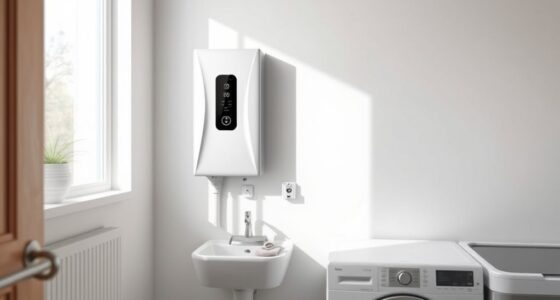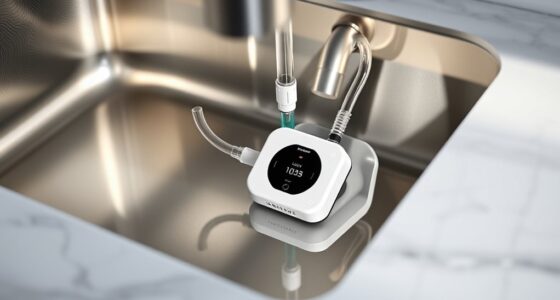
If you’re concerned about water quality throughout your home, a whole-home water filtration system might be worth considering. It guarantees that every tap provides cleaner, safer water by removing contaminants, chemicals, and sediments. This can improve your health, protect appliances, and simplify your routines. Proper installation and regular maintenance can maximize its benefits. To find out if it’s the right choice for your household, explore the details below.

Get home appliances delivered free with Prime
- Fast, free delivery on millions of items
- Prime Video, Amazon Music and more included
- Member-only deals all year
Key Takeaways
- Whole-home filtration ensures all household water is cleaner and safer for drinking, cooking, and bathing.
- Installation requires professional setup and regular maintenance, including filter replacements every 6-12 months.
- It effectively reduces contaminants like chlorine, lead, and sediments, improving overall water quality.
- Having a filtration system can protect your health and extend the lifespan of plumbing fixtures and appliances.
- Consider your local water quality and specific concerns to determine if a whole-home system is a worthwhile investment.
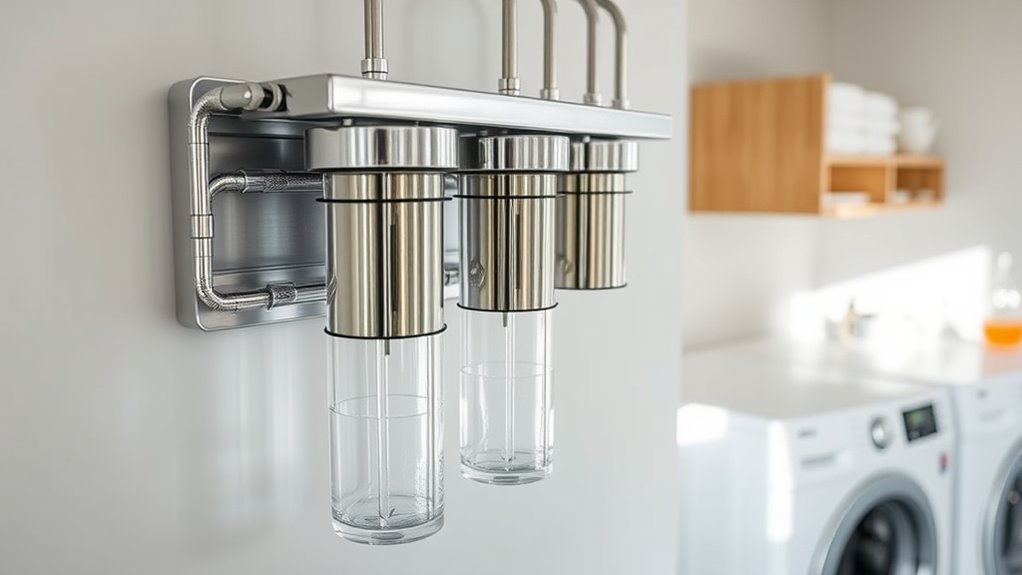
Have you ever wondered if the water flowing through your entire house is truly clean and safe? If so, a whole-home water filtration system might be worth considering. These systems are designed to filter water at the point of entry, meaning every tap in your house delivers cleaner, healthier water. But before jumping in, it’s helpful to understand the installation process and what’s involved in maintaining the system to keep it functioning at its best.
Considering a whole-home water filter? Understand installation and maintenance to ensure clean, safe water for your household.
The installation process for a whole-home water filter isn’t overly complicated, but it does require some basic plumbing skills. Typically, you’ll start by turning off your main water supply, then identifying the main water line where the system will connect. Most systems come with clear instructions, but in many cases, hiring a professional plumber is a good idea. They’ll ensure the system is properly installed, avoiding leaks or pressure issues down the line. During installation, the filter unit is usually mounted on a wall near your water entry point, and connected to your home’s plumbing with durable pipes or fittings. Once installed, you’ll need to turn the water back on and check for leaks—an essential step to make sure everything is sealed correctly.
Maintenance tips are just as important as the installation itself. Regularly replacing filters is vital; most systems recommend changing filters every 6 to 12 months, depending on water usage and quality. Some advanced models have indicator lights that signal when it’s time for a change, which makes maintenance easier. It’s also a good idea to periodically flush the system to clear out any accumulated sediments or contaminants. Keeping an eye on water pressure can also help; if you notice a significant drop, it might mean your filter needs attention or replacement. Additionally, inspecting the system for leaks or signs of wear will prevent more extensive issues later on. Cleaning the external components periodically and ensuring the system stays free of dust and debris prolongs its lifespan. Incorporating whole-home filtration technology can further improve the overall water quality in your house, ensuring safe water for all uses.
Investing in a whole-home water filtration system can provide peace of mind, knowing that every drop of water used in your house is cleaner and safer. Proper installation and diligent maintenance are key to getting the most out of your system. When you follow these tips, you’ll help ensure it continues to work efficiently, providing you with consistently high-quality water. Ultimately, a little effort goes a long way in safeguarding your health and enhancing your home’s water quality.
whole house water filtration system
As an affiliate, we earn on qualifying purchases.
As an affiliate, we earn on qualifying purchases.
Frequently Asked Questions
How Much Does a Whole-Home Water Filtration System Typically Cost?
When considering the cost of a whole-home water filtration system, you’ll find prices generally range from $1,000 to $3,000, depending on the system’s size and features. Keep in mind the cost considerations include installation and ongoing maintenance, which usually involves filter replacements every 6 to 12 months. Regular maintenance frequency helps guarantee peak performance, so budgeting for these expenses is essential to keep your system running smoothly.
How Often Should I Replace the Filters in My System?
You might think replacing filters is a hassle, but understanding the filter lifespan helps. Most filters need replacement every 6 to 12 months, depending on your water quality and usage. Following a regular replacement schedule ensures your system works efficiently and keeps water safe. Keep an eye on your filters for signs of clogging or reduced flow, and don’t wait too long—timely replacements safeguard your health and extend your system’s life.
Can a Whole-Home System Remove All Contaminants?
A whole-home system can substantially improve your water quality, but it doesn’t remove all contaminants. Filtration limitations mean some chemicals, viruses, or dissolved minerals might still be present. While it’s effective for many common impurities, it’s essential to understand your water’s specific needs. Regular testing helps you identify remaining issues, and additional treatment methods can target contaminants the system can’t eliminate on its own.
Is Professional Installation Necessary for These Systems?
You might wonder if professional installation is necessary for whole-home water filtration systems. While DIY installation is possible with detailed instructions, it’s often best to hire a professional to guarantee proper setup and avoid leaks or inefficiencies. Regular maintenance tips, like replacing filters on schedule, help keep your system running smoothly. A pro can also troubleshoot issues quickly, saving you time and ensuring your water stays clean and safe.
What Are the Signs Indicating I Need a Whole-Home Filtration?
If you’re wondering whether you need a whole-home filtration system, look for signs like unusual water taste, smell, or discoloration. You might notice dry skin, soap scum buildup, or reduced water pressure. These issues indicate poor water quality that could impact your health benefits. Addressing these signs guarantees cleaner water throughout your home, protecting your health and improving overall water quality. Consider a system to enjoy safer, better-tasting water every day.
water filter replacement cartridges
As an affiliate, we earn on qualifying purchases.
As an affiliate, we earn on qualifying purchases.
Conclusion
Think of your home’s water as a clear stream—the cleaner the water, the healthier your whole household. I once installed a filtration system, and suddenly, my skin felt softer, and my dishes sparkled more than ever. Just like a filter keeps out impurities, investing in whole-home filtration ensures your family drinks pure water every day. It’s a small step with big benefits—like turning a muddy river into a pristine, invigorating spring.
professional water filter installation
As an affiliate, we earn on qualifying purchases.
As an affiliate, we earn on qualifying purchases.
sediment and chlorine water filter
As an affiliate, we earn on qualifying purchases.
As an affiliate, we earn on qualifying purchases.
Fall yard work Picks
leaf blowers
As an affiliate, we earn on qualifying purchases.