
TL;DR

Get home appliances delivered free with Prime
- Fast, free delivery on millions of items
- Prime Video, Amazon Music and more included
- Member-only deals all year
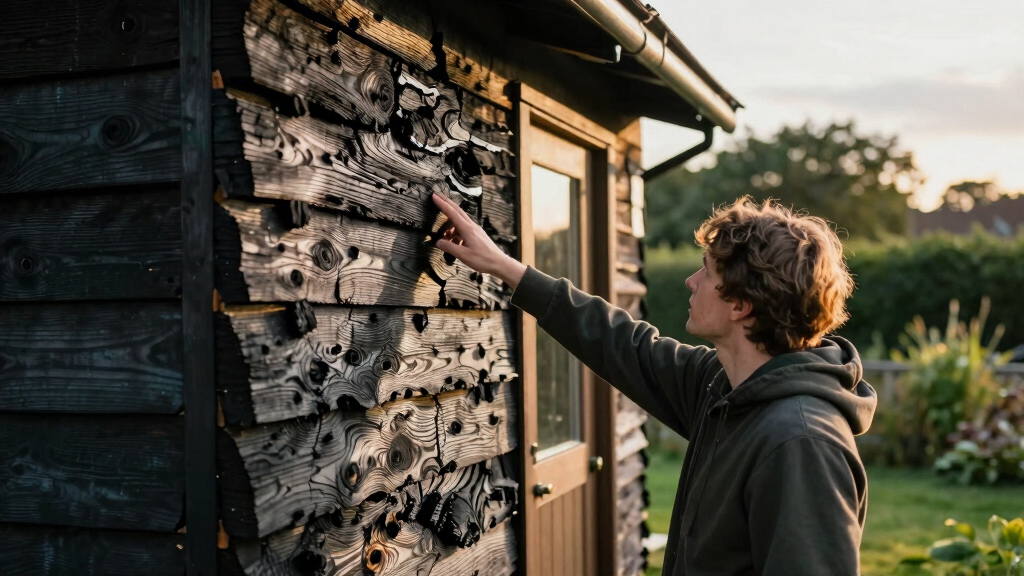
Built Works has finished wrapping Yogi’s Cabin in East Sussex with charred wood, emphasizing a contemporary, eco-conscious aesthetic. The project showcases innovative use of traditional fire treatment techniques for modern architecture.
Built Works has completed wrapping Yogi’s Cabin in East Sussex with charred wood, creating a distinctive, durable exterior that aligns with contemporary sustainable design principles. The project highlights the firm’s innovative use of traditional wood treatment techniques for modern architecture, making it a notable development in eco-friendly building practices.
The project involved wrapping the entire exterior of Yogi’s Cabin with charred timber, a technique known as shou sugi ban, which enhances wood’s durability and resistance to weathering. Built Works, a design and construction firm, executed the cladding in collaboration with local craftsmen, emphasizing both aesthetic appeal and sustainability.
The charred wood finish gives the cabin a striking blackened appearance, contrasting with the surrounding natural landscape. The technique also provides fire resistance and reduces maintenance needs, extending the building’s lifespan. The project was completed in early June 2026, with the exterior now fully clad and ready for occupancy.
Innovative Use of Charred Wood in Modern Architecture
This development demonstrates how traditional wood treatment methods like shou sugi ban are being adopted in contemporary architecture to create sustainable, durable, and visually distinctive buildings. It underscores a growing trend toward environmentally conscious design that leverages natural materials and traditional techniques.
shou sugi ban charred wood siding
As an affiliate, we earn on qualifying purchases.
As an affiliate, we earn on qualifying purchases.
Yogi’s Cabin and Sustainable Building Trends in East Sussex
Yogi’s Cabin is a private retreat located in East Sussex, an area increasingly known for innovative, eco-friendly architecture. Built Works has previously worked on projects emphasizing sustainability and modern aesthetics. The use of charred wood aligns with broader trends in architecture that prioritize natural materials, longevity, and minimal environmental impact.
Shou sugi ban, a Japanese technique dating back centuries, has seen a resurgence in recent years for its durability and aesthetic qualities. This project marks one of the latest examples of its application in high-end residential architecture in the UK.
“The use of charred wood not only enhances the aesthetic appeal but also significantly improves the building’s resistance to weather and fire.”
— Built Works spokesperson
fire-resistant exterior wood cladding
As an affiliate, we earn on qualifying purchases.
As an affiliate, we earn on qualifying purchases.
Details of the Construction Process and Material Sourcing
It is not yet clear which specific suppliers provided the charred wood or whether additional treatments were applied beyond traditional shou sugi ban techniques. Details about the project’s environmental assessments or certification processes remain undisclosed.
sustainable wood exterior panels
As an affiliate, we earn on qualifying purchases.
As an affiliate, we earn on qualifying purchases.
Next Steps for the Yogi’s Cabin Project
The exterior is now complete, and interior work is ongoing. Future plans include monitoring the long-term performance of the charred wood cladding and assessing its weathering over time. The project may serve as a model for similar eco-conscious developments in the region.
As an affiliate, we earn on qualifying purchases.
Key Questions
What is shou sugi ban?
Shou sugi ban is a traditional Japanese technique of charring wood surfaces to enhance durability, weather resistance, and aesthetic appeal.
Why was charred wood chosen for Yogi’s Cabin?
The technique offers increased resistance to weather and fire, reduces maintenance, and provides a distinctive, modern appearance that aligns with sustainable design goals.
Is this method environmentally friendly?
Yes, as it uses natural wood without chemical treatments, and enhances the longevity of the material, reducing the need for frequent repairs or replacements.
When was the project completed?
The exterior wrapping was finished in early June 2026, with interior work still underway.
Will the charred wood require ongoing maintenance?
Charred wood generally requires minimal maintenance, but periodic inspections are recommended to monitor weathering and surface integrity over time.
Source: Dezeen
Halloween Picks
halloween
As an affiliate, we earn on qualifying purchases.