
Thermal imaging is the best way to spot hidden air leaks in your home quickly and accurately. It reveals temperature differences on surfaces that indicate drafts and insulation issues, making energy loss visible without invasive inspections. With a good thermal camera, you can identify problem areas around windows, doors, and walls easily. Keep scanning interior and exterior surfaces carefully—if you want to learn more about how this technology can help improve your home’s comfort and save money, continue exploring.
Key Takeaways
- Thermal imaging visually detects temperature differences, quickly revealing hidden drafts and air leaks around windows, doors, and walls.
- Use a high-resolution thermal camera with adjustable settings for accurate detection of small temperature variations.
- Conduct scans during optimal weather conditions, focusing on exterior and interior surfaces for comprehensive leak identification.
- Thermal imaging helps pinpoint leaks behind walls or ceilings, facilitating targeted and effective sealing repairs.
- Visual evidence from thermal images enhances communication with professionals and supports energy efficiency improvements.
thermal imaging camera for home inspection
As an affiliate, we earn on qualifying purchases.
As an affiliate, we earn on qualifying purchases.
Why Air Leaks Can Cost You Energy and Comfort

Air leaks might seem minor, but they can substantially drive up your energy bills and undermine your comfort. When warm or cool air escapes, your home’s insulation efficiency drops, forcing your heating or cooling system to work harder. This increased effort not only raises energy costs but also makes it harder to maintain a consistent indoor temperature. Draft prevention is vital because even small leaks allow unwanted air to enter or escape, causing drafts that create uncomfortable cold spots or hot zones. Over time, these leaks can lead to significant energy waste and discomfort. Addressing air leaks improves insulation efficiency, helping you save money and enjoy a more stable, cozy home environment. Additionally, understanding air leak sources can help you target improvements more effectively. Using thermal imaging at home is an effective way to detect these hidden leaks without guesswork. Identifying and sealing these leaks is a smart step toward better home comfort and energy savings, especially when combined with proper insulation techniques. Recognizing how air leaks affect your entire home system can lead to more comprehensive and lasting solutions. Regularly inspecting your home for unexpected air entry points ensures sustained energy efficiency and comfort.
infrared thermal leak detector
As an affiliate, we earn on qualifying purchases.
As an affiliate, we earn on qualifying purchases.
How Thermal Imaging Finds Air Leaks in Your Home

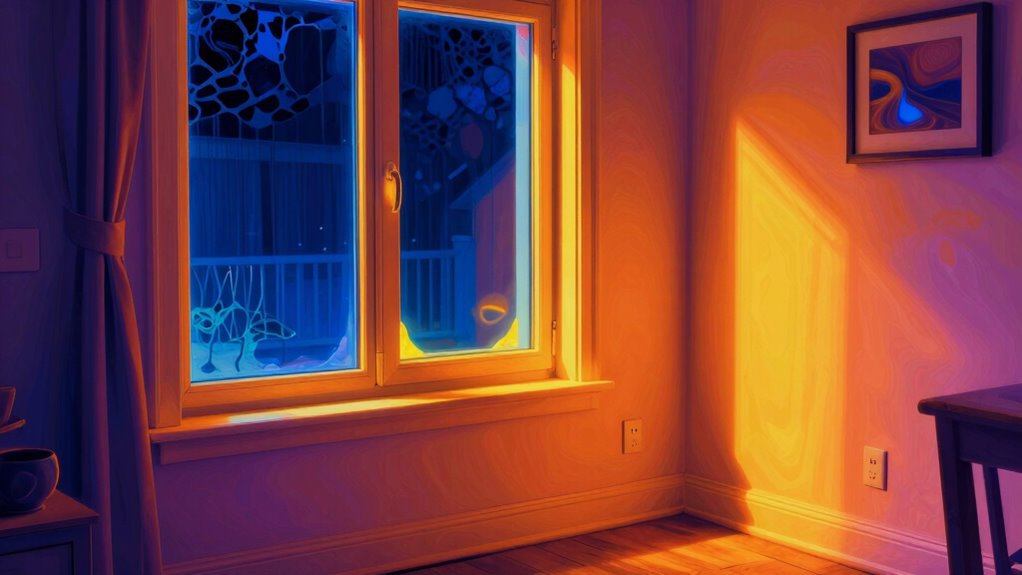
Thermal imaging is a powerful tool for detecting air leaks because it visually reveals temperature differences across surfaces. When you scan your home, it highlights areas where warm or cool air escapes, making leaks obvious. The benefits of thermal imaging include quick identification of hidden drafts and accurate pinpointing of problem spots, which helps you prevent energy loss and improve comfort. Here’s a simple visualization:
| Cold Spot (Air Leak) | Warm Surroundings |
|---|---|
| Visible as a dark area | Bright or neutral color |
| Indicates where air is escaping | Shows stable surfaces |
Using thermal imaging makes air leak prevention straightforward, saving you money and ensuring your home stays comfortable year-round. Additionally, understanding the thermal properties of building materials can further enhance your ability to detect and seal leaks effectively. Proper sealant selection based on material types can improve the effectiveness of your repairs and prevent future leaks, especially when considering the material-specific heat transfer characteristics. Knowledge of building insulation can also help you identify areas where insulation may be inadequate, further improving energy efficiency. Incorporating knowledge of inverter generator capacity can also be useful if you need portable power during repairs or inspections in remote areas.
high resolution thermal camera for windows and doors
As an affiliate, we earn on qualifying purchases.
As an affiliate, we earn on qualifying purchases.
How to Pick the Best Thermal Camera for Detecting Drafts
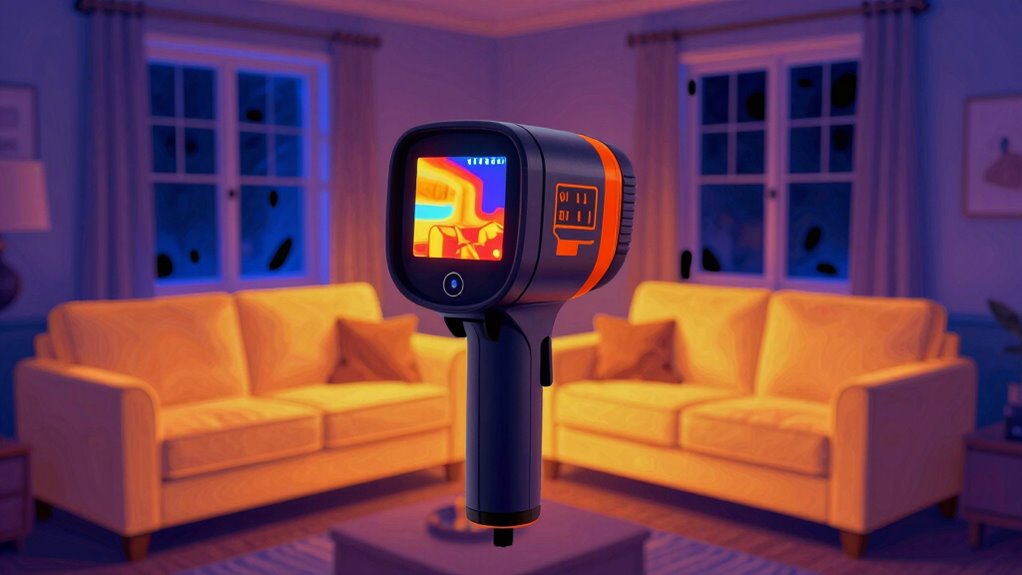
Choosing the right thermal camera makes detecting drafts easier and more accurate. To do this, consider these key factors:
Selecting the right thermal camera ensures accurate draft detection and energy savings.
- Thermal camera features: Look for cameras with adjustable emissivity settings and temperature ranges suitable for home use. A camera with advanced thermal sensitivity can detect even minor temperature differences caused by air leaks. Additionally, features like emissivity adjustment help ensure accurate temperature readings across various surfaces. When selecting a camera, evaluating thermal imaging accuracy can help you get more reliable results during inspections.
- Imaging resolution: Higher resolution provides clearer images, making it easier to identify subtle air leaks.
- Ease of use: Choose a user-friendly model with a simple interface and good screen visibility.
- Budget: Balance your needs with your budget; higher-end models offer better features but cost more.
Focusing on thermal camera features and imaging resolution ensures you get a device capable of pinpointing drafts precisely. This way, you’ll efficiently identify hidden leaks and improve your home’s energy efficiency. Additionally, understanding water damage and rug cleaning tips can help you maintain a comfortable and safe living environment if leaks lead to moisture issues. Properly addressing moisture from leaks can also prevent potential damage to your home’s structure and systems, which ties back to the importance of thorough leak detection and maintenance.
home energy audit thermal imaging
As an affiliate, we earn on qualifying purchases.
As an affiliate, we earn on qualifying purchases.
How to Use Thermal Imaging to Find and Read Air Leaks

Wondering how to effectively use your thermal camera to detect air leaks? First, verify your camera has good infrared resolution—it helps you spot even small temperature differences clearly. Set your camera’s temperature calibration to match the current indoor and outdoor conditions for accurate readings. Walk around your home’s exterior and interior, paying attention to areas like windows, doors, and vents. Look for cold spots that indicate escaping air, especially near poorly sealed spots. Keep your camera steady and scan slowly, adjusting the focus as needed. Review the thermal images closely, noting any unusual temperature variances. Proper free floating temperature calibration ensures your readings are precise, making it easier to identify actual leaks versus false positives. Additionally, understanding thermal contrast helps distinguish between real leaks and environmental factors affecting the readings. Being aware of environmental influences can further improve your detection accuracy and reduce false alarms. Recognizing air leak patterns can also help target common problem areas more efficiently, especially when combined with knowledge of air flow dynamics within your home.
Why Thermal Imaging Can Save You Money and Improve Comfort

Using thermal imaging can substantially cut your energy bills and boost home comfort by quickly identifying hidden leaks and insulation gaps. When you pinpoint these issues, you improve your home’s energy efficiency, reducing wasted heat and cooling. This targeted approach leads to significant cost savings over time. Here are four ways thermal imaging helps you save money and enhance comfort:
- Detect hidden air leaks behind walls and ceilings
- Identify insulation gaps that cause drafts
- Prevent heat loss during winter and heat gain in summer
- Prioritize repairs for maximum energy efficiency gains
In addition, understanding ethical considerations surrounding home energy upgrades can help you make more responsible and informed decisions about implementing these improvements. Utilizing thermal imaging technology is an effective method for accurately locating issues that might be invisible to the naked eye, making your home energy improvements more precise and impactful. Thermal imaging can also provide visual evidence, which supports more transparent and convincing communication with contractors or energy auditors.
Frequently Asked Questions
Can Thermal Cameras Detect Hidden Leaks Behind Walls?
Yes, thermal cameras can detect hidden leaks behind walls, thanks to their infrared accuracy and wall penetration capabilities. You can see temperature differences that indicate air leaks or moisture behind surfaces. Keep in mind, the effectiveness depends on the camera’s quality and the wall’s material. Use a high-quality thermal camera to get clearer images and better wall penetration, making it easier to locate those elusive hidden leaks.
What Are the Limitations of Thermal Imaging for Leak Detection?
Thermal imaging has limitations in leak detection because it can be affected by cost accuracy. You might find that high-quality thermal cameras are expensive, making it hard to justify for occasional use. Additionally, accuracy can be compromised by external factors like sunlight, drafts, or insulation, which may hide or distort temperature differences. So, while useful, thermal imaging isn’t foolproof and should be combined with other methods for best results.
How Often Should I Recheck My Home for Air Leaks?
You should recheck your home for air leaks seasonally, as studies show up to 30% of energy loss comes from hidden leaks. Keep an eye out for warning signs like drafts, uneven heating, or increased energy bills. Seasonal checks help catch leaks early, especially before extreme weather changes, ensuring your home stays comfortable and energy-efficient year-round. Regular inspections save you money and improve your home’s overall comfort.
Are There Professional Services That Offer Thermal Imaging Inspections?
Yes, professional inspectors do offer thermal scanning services. They use advanced thermal imaging cameras to detect heat loss and hidden air leaks in your home. You can schedule a thermal imaging inspection with certified experts who will identify problem areas you might overlook visually. This service ensures your home stays energy-efficient, saving you money on heating and cooling costs while improving comfort. Contact local home energy specialists for a thorough thermal scanning inspection today.
What Safety Precautions Should I Take When Using Thermal Cameras Indoors?
Think of thermal cameras as your home’s health detectives—you need to handle them with care. Always prioritize electrical safety by avoiding contact with live wires and turning off power when needed. Use both hands to steady the camera, and wear safety gear if working near electrical outlets. Keep the area well-lit and clear, so you can operate the device safely and accurately, preventing accidents while uncovering hidden leaks.
Conclusion
With thermal imaging, you can easily detect drafts and diminish your discomfort. By boldly bridging budget and best-in-class cameras, you’ll banish hidden heat leaks and boost your home’s comfort and efficiency. Don’t delay—dive into DIY detective work and discover the difference thermal imaging makes. Save money, secure serenity, and swiftly seal those sneaky leaks. Take charge, troubleshoot, and transform your space into a cozy, cost-conscious haven today!