
TL;DR

Get home appliances delivered free with Prime
- Fast, free delivery on millions of items
- Prime Video, Amazon Music and more included
- Member-only deals all year
A Hunker report describes fiber cement siding as an alternative to wood that resists moisture, rot and pests and generally needs less routine upkeep. It can cost more upfront, and actual long-term savings depend on product, location, installation and maintenance costs.
A Hunker report points homeowners weighing exterior siding options toward fiber cement, a wood-look material that can resist moisture, rot and pests with less routine upkeep than wood. The trade-off is a potentially higher upfront price and heavier, more brittle boards that the report says should be installed by a professional; whether it costs less over a home’s lifetime depends on local prices and maintenance needs.
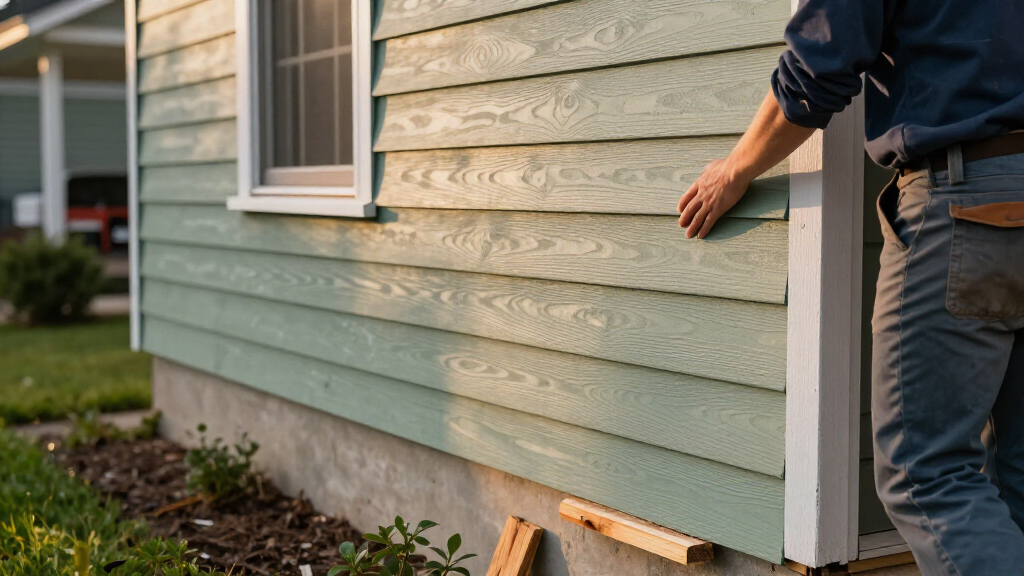
Fiber cement siding is made from Portland cement, sand and cellulose fibers. Hunker says it is designed to mimic wood while avoiding some of wood’s vulnerabilities, including warping or rotting when exposed to moisture and damage from pests such as termites and woodpeckers. The material is also described as less flammable than wood, though the article does not provide comparative fire-test data or specify how different products perform.
The report says factory-applied finishes are baked onto some fiber cement products and may be more durable than standard paint. It cites manufacturers that offer 15- or 25-year warranties against fading; warranty terms will vary by product and should be checked with the manufacturer. Hunker says upkeep may amount to occasional washing or spot cleaning, in contrast with the recurring staining or repainting wood can require.
The article gives an indicative fiber cement price range of $7 to $18 per square foot in some areas, depending on region and product line. It does not specify whether that figure includes labor, removal of existing siding, or other project costs. Fiber cement is available in horizontal lap, vertical-panel and shingle styles, with pre-primed or factory-finished options.
Upfront Price Versus Ongoing Upkeep
The comparison matters because siding is a long-term home expense, not just a purchase at installation. Wood may require repeated painting or staining, and moisture or pests can lead to repair or replacement costs. A material that needs less routine attention could lower those expenses over time, particularly where wood is exposed to conditions that accelerate wear.
But the source does not establish that fiber cement is always cheaper over a full ownership period. A homeowner’s total cost will depend on local material and labor prices, product choice, maintenance schedules and service life. The higher purchase and installation costs could outweigh savings for some projects. Comparing written estimates and product warranties is more reliable than treating “cheaper in the long run” as a guaranteed result.
As an affiliate, we earn on qualifying purchases.
How Fiber Cement Differs From Wood
Wood siding has a familiar appearance in styles such as clapboards and shingles, but Hunker identifies moisture, sun exposure and pests as sources of wear. Maintaining wood commonly involves repainting or restaining, although how often depends on the material, finish and local conditions.
Fiber cement offers several profiles intended to reproduce traditional wood siding, including lap boards, vertical panels and shingle-style panels. Buyers can choose boards supplied pre-primed for later painting or factory-finished panels in available colors. The article presents it as an alternative rather than a universal replacement; appearance, budget and installation conditions still shape the choice.
““Fiber cement siding is generally made with a factory-applied, baked-on finish.””
— Hunker report
fiber cement siding with 25 year warranty
As an affiliate, we earn on qualifying purchases.
As an affiliate, we earn on qualifying purchases.
Costs Depend on the Project
The source does not provide a like-for-like lifetime cost study comparing wood and fiber cement, nor does it identify the regions behind its $7-to-$18-per-square-foot range. It is unclear whether that estimate covers materials alone or a completed installation. Labor, old siding removal, repairs to the wall underneath and local permit requirements may affect a project’s total price.
Performance also varies by product and installation. The report does not name specific manufacturers, define the coverage or exclusions in the cited fading warranties, or provide a common service-life estimate. Its descriptions of fire resistance and low upkeep should not be read as a guarantee that every fiber cement product has identical performance or requires no maintenance.
As an affiliate, we earn on qualifying purchases.
Compare Quotes and Warranty Terms
Homeowners considering a switch can request itemized estimates for both the siding and installation, then compare those costs with the expected painting, staining and repair needs of their current or preferred wood product. They should ask what the estimate includes and review finish warranties, maintenance instructions and installation requirements for the exact fiber cement product under consideration.
Because the material is heavy and brittle, Hunker recommends hiring a professional. Before work begins, owners should also check local permit rules and confirm that the installer follows the product maker’s handling and installation instructions. The article does not announce a policy change, new product launch or scheduled industry milestone; the next relevant information for a buyer is likely to come from local contractor quotes and manufacturer-specific terms.
As an affiliate, we earn on qualifying purchases.
Key Questions
Is fiber cement siding always cheaper than wood?
No. Hunker says it may cost more upfront and argues that reduced upkeep can offset some costs over time. The article does not provide a lifetime cost comparison, so the result depends on local prices, installation and maintenance.
How much does fiber cement siding cost?
The report cites a range of $7 to $18 per square foot in some areas, varying by region and product line. It does not say whether this includes installation or other project expenses.
Does fiber cement siding need painting?
Some products are supplied pre-primed for homeowners to paint, while others come factory-finished. The source says some factory finishes carry 15- or 25-year fading warranties; buyers should confirm the specific warranty and care requirements.
Can homeowners install fiber cement siding themselves?
Hunker recommends professional installation because fiber cement is heavier and more brittle than wood. A qualified installer can also advise on local requirements and the product’s installation instructions.
Source: rss
Cold & flu season Picks
humidifiers
As an affiliate, we earn on qualifying purchases.