If your De’Longhi espresso machine is leaking water unexpectedly, it can disrupt your daily coffee routine and cause potential damage to the appliance. Water leaks often stem from internal blockages, worn-out seals, or mineral buildup, but with the right approach, you can fix these issues yourself.

Get home appliances delivered free — and shop member deals
- Fast, free delivery on millions of items
- Access to Prime Big Deal Days deals on October 6–7
- Prime Video, Amazon Music and more included
In this guide, we’ll walk you through practical, step-by-step troubleshooting methods to identify and resolve water leaks safely, ensuring your machine operates smoothly again.
Key Takeaways
| Identify the Leak Source | Determine whether the leak is from the water tank, boiler, or internal hoses. |
| Check Seals and Gaskets | Worn or damaged seals are common causes of leaks and can be replaced easily. |
| Clean and Descale Regularly | Mineral buildup can cause blockages and pressure issues leading to leaks. |
| Inspect Water Connections | Ensure all hoses and fittings are secure and not cracked or loose. |
| Perform Routine Maintenance | Using recommended descalers and filters helps prevent leaks over time. |
Step 1: Unplug and Empty the Water Tank
- Always unplug your De’Longhi machine before starting any troubleshooting to ensure safety.
- Remove the water tank carefully and empty any remaining water to prevent spills during inspection.
- Inspect the tank for cracks or damage that could cause leaks when refilled.
Step 2: Check for Visible Leaks and Blockages
Examine the machine’s exterior and internal components for visible water leaks or pooling. Focus on the area around the boiler, hoses, and seals.
If you notice water around the boiler or internal hoses, these might be cracked or loose, requiring replacement or tightening.
Use a soft cloth to wipe away mineral deposits and check if the leak persists after cleaning.
Step 3: Inspect and Replace Worn Seals and Gaskets
Seals and gaskets inside the machine prevent water from escaping during operation. Over time, these can become brittle, cracked, or worn out.
Locate the seals around the water tank, boiler connections, and internal water pathways. If damaged, replace them using compatible parts from De’Longhi or authorized suppliers.
Ensure all seals are fitted snugly to prevent future leaks.
Step 4: Clean and Descale the Machine
Mineral deposits from hard water can cause blockages and buildup that lead to water pressure issues and leaks.
Use a descaler specifically designed for espresso machines, such as the De’Longhi EcoDecalk Descaler, following the manufacturer’s instructions.
Regular descaling (every 2-3 months) maintains optimal performance and helps prevent leaks caused by mineral buildup.
Step 5: Reassemble and Test the Machine
Once you’ve inspected, cleaned, and replaced any faulty parts, reassemble your espresso machine carefully.
Fill the water tank, plug in the machine, and run a test brew. Observe closely for any leaks or unusual behavior.
If the leak persists, revisit the previous steps or consider consulting a professional technician.
The Products in This Guide
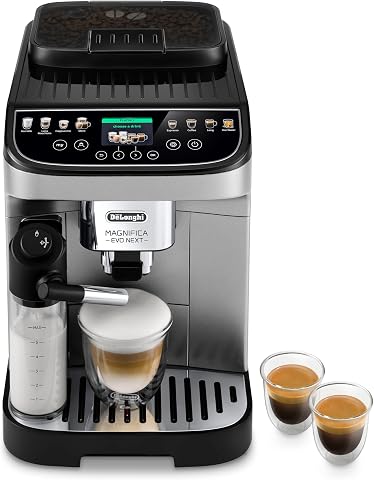
De’Longhi Magnifica Evo Next Fully Automatic Espresso Ma
- ✔ Power: 1450W
- ✔ Voltage: 120V
- ✔ Warranty: 1 year

De’Longhi Replacement Water Filter
- ✔ Material: Activated carbon and ion exchange resin
- ✔ Filter Life: Up to 2 months
- ✔ Compatibility: Select models
De’Longhi Magnifica Evo Next Fully Automatic Espresso Ma
The De’Longhi Magnifica Evo Next Fully Automatic Espresso Machine offers a comprehensive solution for coffee lovers who want convenience and quality. Its programmable settings, built-in grinder, and LatteCrema hot system make it a top choice, but occasional leaks can occur which are fixable with proper troubleshooting.
Pros:
- Versatile with 13 one-touch recipes
- Built-in conical burr grinder with 13 settings
- Automatic milk frothing with LatteCrema system
- Programmable and easy to use
Cons:
- Potential water leaks if seals or connections wear out
- Requires regular descaling and maintenance
- Complex internal components may need professional repair at times
Best for: Home baristas seeking an all-in-one espresso machine with customizable settings
Not ideal for: Inexperienced users may find internal troubleshooting challenging without guidance
Bottom line: Regular maintenance and careful inspection can keep your De’Longhi espresso machine leak-free and performing at its best.
De’Longhi Replacement Water Filter
The De’Longhi Replacement Water Filter is a simple upgrade that can significantly reduce mineral buildup and protect your machine from leaks caused by limescale. Installing this filter helps maintain performance and extend the lifespan of your espresso machine.
Pros:
- Improves water quality and taste
- Prevents lime scale buildup
- Easy to install and replace
- Compatible with select De’Longhi models
Cons:
- Requires regular replacement
- Additional cost over time
- Not a fix for existing leaks, but prevents future issues
Best for: Users wanting to maintain optimal water quality and prevent leaks
Not ideal for: In machines heavily clogged with mineral deposits, descaling may still be needed
Bottom line: Using a water filter like the De’Longhi Replacement Water Filter can help prevent leaks by ensuring cleaner, mineral-free water flows into your machine.
Frequently Asked Questions
Why is my De’Longhi espresso machine leaking water from the bottom?
Leakage from the bottom often indicates a worn or damaged seal, a crack in the water tank, or loose internal hoses. Check these parts carefully and replace or tighten as needed.
Can mineral buildup cause water leaks?
Yes, mineral deposits from hard water can clog internal components and cause pressure issues, which may lead to leaks. Regular descaling helps prevent this problem.
How often should I descale my De’Longhi espresso machine?
It’s recommended to descale every 2-3 months, or more frequently if you have hard water. Use a suitable descaler like the De’Longhi EcoDecalk for best results.
Is it safe to repair internal seals myself?
If you have some technical skills, replacing seals and gaskets is feasible. However, if you’re unsure or uncomfortable opening the machine, consider professional repair to avoid damage.
What should I do if cleaning and replacing seals doesn’t stop the leak?
Persistent leaks may require a professional diagnosis. Contact De’Longhi customer service or a qualified technician for further assistance.
Keep Your Coffee Brewing Smoothly
De’Longhi espresso machines are built for convenience and quality, but occasional leaks can happen. By following these troubleshooting steps—checking seals, cleaning, descaling, and inspecting connections—you can often resolve leaks yourself and get back to enjoying your favorite coffee drinks. Regular maintenance is key to preventing future issues and prolonging the life of your machine.
If problems persist, professional repair or replacing worn parts may be necessary, but with proper care, your De’Longhi machine can serve you reliably for years to come.
Affiliate disclosure: As an Amazon Associate we earn from qualifying purchases. Prices and availability are accurate as of the time of publishing.
Fall Picks
fall essentials
As an affiliate, we earn on qualifying purchases.