
TL;DR

Get home appliances delivered free with Prime
- Fast, free delivery on millions of items
- Prime Video, Amazon Music and more included
- Member-only deals all year
In 2025, a user reconfigured their desk into two distinct parts—digital and analog—improving workflow and space perception. The change reflects evolving workspace needs and personal preferences.
A user has transitioned to a two-part desk setup in 2025, dividing digital and analog workspaces for improved focus and comfort. This change, inspired by a trip to Hamburg, aims to optimize productivity and well-being.
The individual previously used a single, tech-centric desk pushed against the wall. After visiting museums and observing how desks are arranged in public spaces, they rotated their desk to face the room, creating a more open environment. They then split the long desk into two sections—one dedicated to digital work, the other for analog activities—using a 200x75cm USM Haller desk.
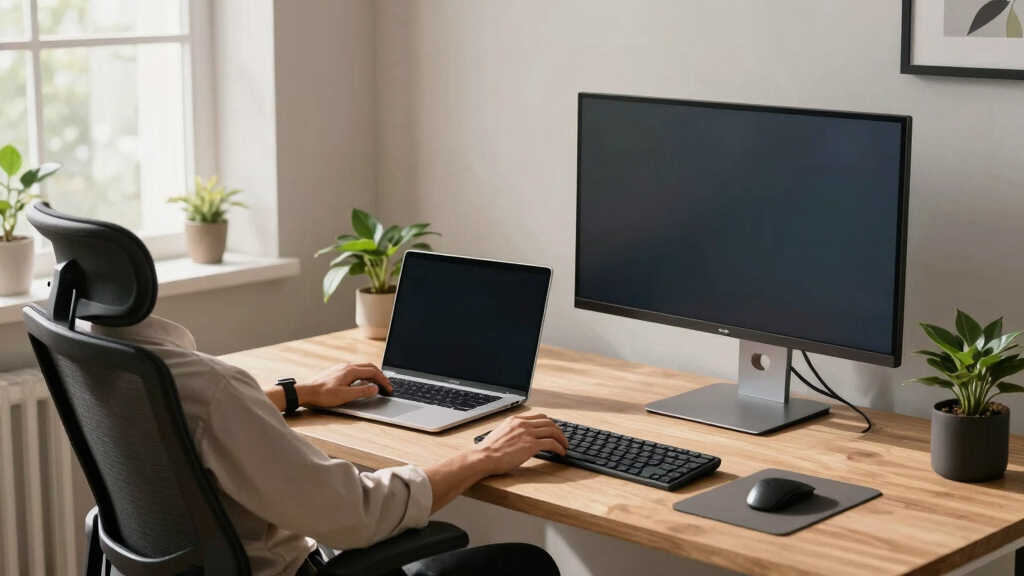
The digital side, located near the window, hosts the Studio Display, Mac, and custom split keyboard, designed for daily tasks like coding and calls. It remains minimal to reduce distractions. The analog side accommodates notebooks, pens, books, sketches, and DIY projects, serving as a space for creative and reflective activities. This setup fosters a clear mental boundary and flexibility, with the user noting increased satisfaction and a sense of safety and openness.
Why It Matters
This redesign exemplifies how workspace layout influences productivity, creativity, and well-being. Separating digital and analog activities can help reduce distractions and foster a more intentional work environment. It also reflects broader trends toward personalized, flexible workspaces in 2025, emphasizing the importance of ergonomic and psychological factors.
As an affiliate, we earn on qualifying purchases.
Background
Over the past decade, workspace configurations have evolved with remote work and digital tools. The user’s previous setup was typical of tech-focused environments, but recent shifts toward hybrid and home offices have prompted reconsideration. The inspiration from museum layouts and public spaces highlights a move toward more open, adaptable work environments. The current setup aligns with ongoing discussions about balancing technology use with creative and physical activities in personal spaces.
“Facing the room instead of the wall makes the office feel more open and comfortable. There is now some sort of depth in front of my eyes, that was lacking previously.”
— the user
“Splitting the desk into a digital and an analog side creates a clear mental boundary. And moving the chair from one side to the other is enough to change the context.”
— the user
ergonomic split keyboard for desk
As an affiliate, we earn on qualifying purchases.
As an affiliate, we earn on qualifying purchases.
What Remains Unclear
It is not yet clear how widely this setup might influence others or if similar configurations will become more common in 2025. Long-term impacts on productivity and creativity are also still to be studied.
adjustable desk organizer for analog activities
As an affiliate, we earn on qualifying purchases.
As an affiliate, we earn on qualifying purchases.
What’s Next
The user plans to continue refining their setup, potentially experimenting with different furniture or layout adjustments. Broader adoption of similar designs may emerge as more individuals seek personalized workspace solutions in 2025.
minimalist digital workspace monitor
As an affiliate, we earn on qualifying purchases.
As an affiliate, we earn on qualifying purchases.
Key Questions
Why did the user decide to split their desk into two parts?
The user wanted to separate digital work from analog activities to reduce distractions and foster creativity, inspired by observations from museums and public spaces during a trip to Hamburg.
How has the new setup affected the user’s daily workflow?
The user reports increased satisfaction, a clearer mental boundary between tasks, and a more open, comfortable workspace that supports both work and creative activities.
Is this setup suitable for everyone?
While effective for this individual, workspace needs vary. The two-part design may benefit those seeking clearer boundaries or more flexible environments, but personal preferences and space constraints are important considerations.
Will this setup influence workplace or home office trends in 2025?
Potentially. As remote work continues to evolve, personalized and flexible workspace arrangements like this could gain popularity, emphasizing mental clarity and multi-functionality.
Source: Hacker News
Fall yard work Picks
leaf blowers
As an affiliate, we earn on qualifying purchases.