
TL;DR

Get home appliances delivered free with Prime
- Fast, free delivery on millions of items
- Prime Video, Amazon Music and more included
- Member-only deals all year
A cleaning tip from r/CleaningTips recommends using common household items to effectively remove sticky dust from the top of kitchen cabinets. This method is gaining popularity among DIY cleaners and offers a simple, affordable solution.
Cleaning enthusiasts on Reddit have shared a practical tip for removing sticky dust from the top of kitchen cabinets, recommending household items that are effective and easy to use. This advice is gaining traction among DIY homeowners seeking simple cleaning solutions.
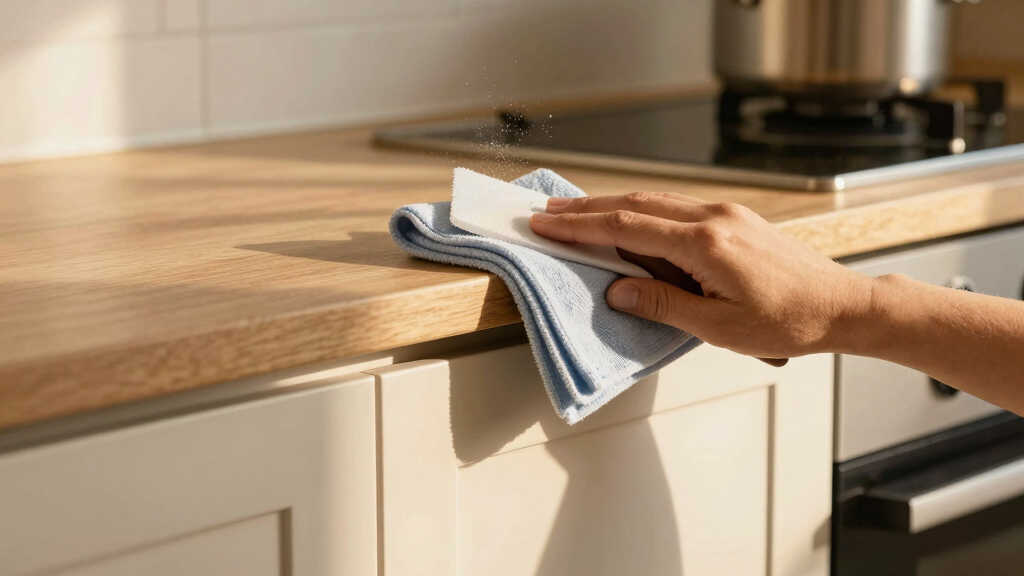
According to posts on r/CleaningTips, using a combination of household items such as microfiber cloths, vinegar, and baking soda can effectively remove sticky dust buildup on cabinet tops. Users report that applying vinegar or a baking soda paste helps loosen stubborn grime, making it easier to wipe away. The method involves dampening a cloth with the solution, gently scrubbing the surface, and then wiping clean with a dry cloth. The tip emphasizes safety precautions, such as turning off kitchen appliances and wearing gloves if necessary. While this advice is popular among online cleaning communities, there is no formal scientific endorsement from cleaning experts at this time.
Many users highlight that regular cleaning prevents the accumulation of sticky dust, which can be difficult to remove if left unaddressed. The simplicity and affordability of household items make this approach accessible for most homeowners. Some also suggest using a long-handled duster or a microfiber mop to reach high surfaces without the need for step stools, reducing the risk of falls or accidents.
Why Homeowners Should Consider This Cleaning Approach
This cleaning tip offers an accessible, cost-effective method for homeowners to maintain kitchen cleanliness, especially in hard-to-reach areas. Removing sticky dust buildup can improve kitchen hygiene and appearance, and the use of common household items means no need for specialized cleaning products. The popularity of this advice on Reddit indicates a demand for practical, DIY solutions that can be easily implemented without professional help. Maintaining clean cabinet tops can also prevent the buildup of dust and grease that might affect indoor air quality over time.
microfiber cleaning cloth for kitchen cabinets
As an affiliate, we earn on qualifying purchases.
As an affiliate, we earn on qualifying purchases.
Background on Common Dust and Cleaning Challenges
Kitchen cabinets, especially the tops, often accumulate dust, grease, and sticky residues from cooking fumes, grease splatters, and airborne dust particles. Regular cleaning is recommended, but reaching these high surfaces can be inconvenient. Traditional cleaning methods involve commercial degreasers or long-handled tools, but many DIYers prefer natural or household solutions. The recent surge in online sharing of these tips reflects a broader trend toward affordable, accessible home maintenance routines. Prior to this, common advice included using microfiber cloths or mild cleaning solutions, but specific tips for sticky dust removal have been less common.
“Using vinegar or a baking soda paste can help loosen sticky dust, making it easier to wipe away.”
— an anonymous researcher
vinegar spray for household cleaning
As an affiliate, we earn on qualifying purchases.
As an affiliate, we earn on qualifying purchases.
Unconfirmed Effectiveness and Safety of Household Solutions
While many users report success with vinegar and baking soda, there is no formal scientific validation or endorsement from professional cleaning authorities. The safety of using these solutions on specific cabinet finishes has not been officially documented, so homeowners should test in small areas first. Additionally, the long-term effects of repeated use of acidic solutions like vinegar on certain materials are still unclear. More research or expert guidance is needed to confirm the safety and efficacy of these methods for all types of kitchen cabinets.
As an affiliate, we earn on qualifying purchases.
Monitoring Community Feedback and Professional Endorsements
Homeowners and cleaning professionals may begin experimenting with these household solutions, sharing their results online. Further validation from cleaning experts or product manufacturers could emerge, potentially leading to formal recommendations. In the meantime, users are advised to proceed cautiously, especially on delicate surfaces. Updates on the safety and effectiveness of these methods are expected as more people test and review the approach.
long-handled duster for high surfaces
As an affiliate, we earn on qualifying purchases.
As an affiliate, we earn on qualifying purchases.
Key Questions
Can I use vinegar on all types of kitchen cabinets?
It is recommended to test vinegar on a small, inconspicuous area first, as it may damage certain finishes or materials. Consult your cabinet manufacturer’s care instructions if available.
How often should I clean the top of my cabinets to prevent sticky dust buildup?
Regular cleaning every 1-2 months is advisable, especially in kitchens prone to grease and dust accumulation, to prevent stubborn buildup.
Are there safer alternatives to vinegar and baking soda for cleaning cabinet tops?
Yes, mild soap and water, or commercial natural cleaners designed for kitchen surfaces, can be effective and gentle options. Always follow manufacturer instructions.
What safety precautions should I take when cleaning high surfaces?
Use a stable ladder or step stool, wear gloves if using acidic solutions, and ensure appliances are turned off before cleaning near electrical outlets.
Will this method remove grease as well as dust?
Vinegar and baking soda can help loosen grease, but for heavy grease buildup, a dedicated degreaser or commercial cleaner may be more effective.
Source: r/CleaningTips
Fall Picks
fall essentials
As an affiliate, we earn on qualifying purchases.