TL;DR
Your home may feel hotter each year due to aging insulation, deteriorating caulk, leaky ducts, and HVAC system decline. Experts recommend inspections and upgrades to restore comfort.
Many homeowners notice their houses feeling increasingly warm each year, especially during summer. Experts confirm that this sensation often results from aging components within the home, not just external weather conditions, and can be addressed through targeted maintenance and upgrades.
According to home advice specialists, the primary causes include deteriorating insulation, worn caulk and weatherstripping, leaky ductwork, and aging HVAC systems. Lane Martin, co-founder of Modern PURAIR, states that these issues accumulate over time, reducing a home’s ability to block external heat and trapping humidity indoors, which makes the house feel hotter.
Insulation in attics and walls can compress or break down after a decade, diminishing thermal barriers and forcing HVAC systems to work harder. Similarly, old caulk and weatherstripping crack and become brittle, allowing warm air to infiltrate and cooled air to escape, creating temperature fluctuations. Duct leaks are common in older homes, with cooled air often escaping into unconditioned spaces, sometimes pulling in air from extremely hot areas like attics or crawl spaces.
HVAC systems themselves also degrade over time, losing efficiency due to dirty coils, refrigerant leaks, or worn parts, which reduces their cooling capacity. Additionally, climate trends, such as longer heatwaves and rising outdoor temperatures, increase the burden on existing cooling systems, even if they are functioning properly.
This issue matters because it leads to increased energy bills, reduced indoor comfort, and potential strain on HVAC systems. Addressing these hidden problems can significantly improve home cooling efficiency and lower costs, especially as climate change causes more extreme heat conditions.
insulation upgrade for attic
As an affiliate, we earn on qualifying purchases.
As an affiliate, we earn on qualifying purchases.
Older Homes and Changing Climate Conditions Drive Rising Temperatures Indoors
Many homes built over a decade ago are experiencing increased indoor temperatures due to aging insulation, deteriorated seals, and outdated HVAC equipment. Meanwhile, climate data shows that higher temperatures and longer heatwaves are becoming more common, compounding the challenge for homeowners trying to keep their homes cool.
Experts note that these factors collectively contribute to the feeling that houses are getting hotter each year, even if external weather conditions are similar to past decades. The combination of aging infrastructure and climate shifts underscores the need for proactive maintenance and upgrades.
“Over the years, houses deteriorate, which can make them feel hotter. Often it’s a combination of small issues that build up over time.”
— Lane Martin, Modern PURAIR
leak-proof weatherstripping
As an affiliate, we earn on qualifying purchases.
As an affiliate, we earn on qualifying purchases.
Unclear Extent of Damage and Best Long-Term Solutions
It remains unclear how widespread these issues are across different regions and home ages, and what the most cost-effective long-term solutions are for individual homeowners. The effectiveness of specific upgrades may vary depending on the home’s condition and climate.
duct sealing kit
As an affiliate, we earn on qualifying purchases.
As an affiliate, we earn on qualifying purchases.
Recommended Home Assessments and Upgrades for Cooler Summers
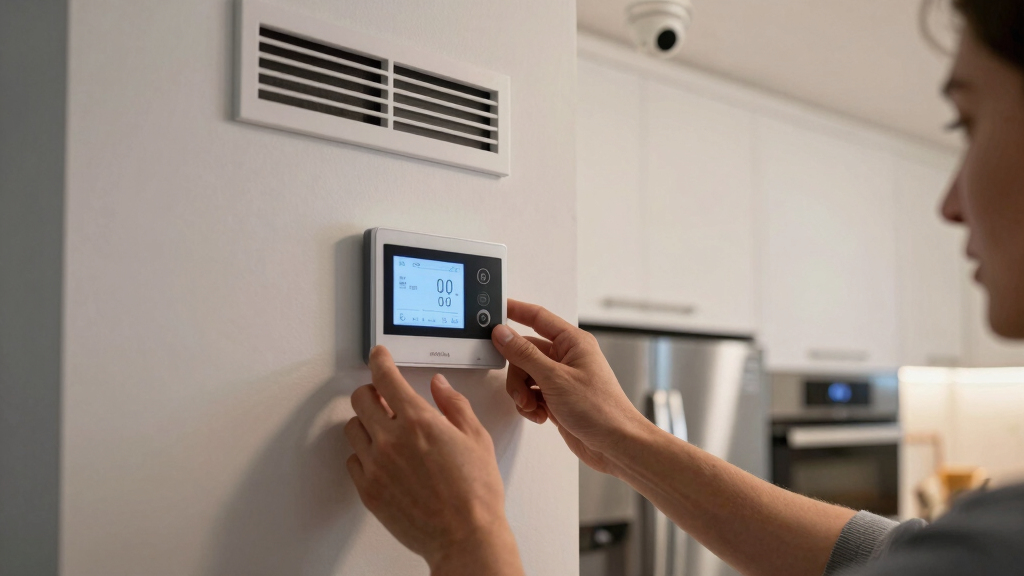
Homeowners are advised to schedule professional inspections of insulation, ductwork, and HVAC systems. Upgrading insulation, sealing leaks, and maintaining HVAC units can significantly improve indoor comfort. Future developments may include smarter climate control systems and more durable building materials designed to withstand climate change impacts.
energy-efficient HVAC system
As an affiliate, we earn on qualifying purchases.
As an affiliate, we earn on qualifying purchases.
Key Questions
How can I tell if my insulation needs replacing?
Look for signs such as uneven temperatures across rooms, higher energy bills, or visible compression or damage in attic or wall insulation. A professional inspection can confirm if replacement is necessary.
What are the most cost-effective upgrades for an older home?
Sealing leaks with new caulk and weatherstripping, upgrading attic insulation, and sealing or replacing ductwork typically offer good returns in comfort and energy savings.
Can climate change make my existing HVAC system inadequate?
Yes, rising outdoor temperatures and longer heatwaves increase the demand on HVAC systems. Upgrading to a more powerful or efficient unit may be necessary for consistent cooling.
How often should I have my HVAC system serviced?
Regular maintenance, including coil cleaning and refrigerant checks, is recommended at least once a year to maintain efficiency and prevent breakdowns.
Are there new materials that help keep homes cooler longer?
Yes, newer insulation materials and reflective roofing can help reduce heat absorption and improve thermal regulation, especially when combined with proper sealing and ventilation.
Source: Bob Vila