
Installing DIY insulated garage doors can substantially boost your energy efficiency by reducing heat transfer, which helps maintain a stable garage temperature. This lowers the workload on your heating and cooling system, leading to lower utility bills and increased comfort. Using the right insulation material and following proper installation practices make a noticeable difference. If you’d like to discover more tips and tricks to maximize your garage’s energy savings, just keep exploring.
Open a free Amazon Business account
Business pricing, bulk buying and tax-exempt orders.
As an affiliate, we earn on qualifying purchases.
Key Takeaways
- Insulating garage doors reduces heat transfer, helping maintain a stable garage temperature and improving energy efficiency.
- DIY insulation kits are cost-effective, easy to install, and enhance the garage’s thermal barrier.
- Proper installation with sealing minimizes gaps, preventing air leaks and maximizing energy savings.
- Insulation lessens the workload on HVAC systems, leading to lower utility bills over time.
- Combining insulation with weatherstripping further boosts energy efficiency and indoor comfort.
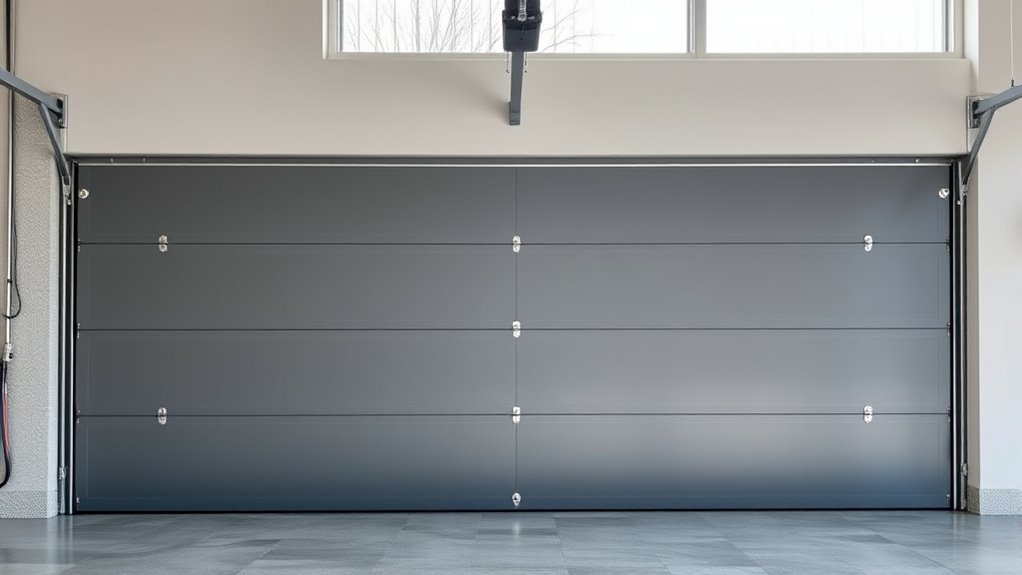
Are you looking for an affordable way to improve your garage’s energy efficiency? Insulating your garage door is an excellent option that can make a noticeable difference. When your garage door is properly insulated, it reduces heat transfer, helping keep your garage warmer in the winter and cooler in the summer. This not only makes your garage more comfortable but also decreases the workload on your heating and cooling systems. As a result, you can see a reduction in your utility bills over time. Insulation options such as foam, fiberglass, and reflective materials are widely available and can be tailored to your climate and needs.
DIY insulation kits offer a cost-effective and straightforward way to upgrade your garage door without hiring professionals. These kits usually come with pre-cut insulation panels, adhesive, and clear instructions, making installation accessible even if you’re new to DIY projects. Reflective insulation kits are particularly suitable for hot climates because they reflect radiant heat away from the garage, while rigid foam panels provide a clean finish and are highly effective at insulating. Fiberglass panels are ideal for colder climates, thanks to their high R-value, which measures insulation’s thermal resistance. The versatility of these materials means you can choose the best suited for your environment and budget.
The installation process is simple but requires some attention to detail. Start by marking the panels for fastener locations, then secure the insulation with double-sided tape. Attach retainer clips to hold the insulation firmly in place, and cut the panels to fit each door section. Tucking the insulation into the panels with the vinyl side outward ensures a neat appearance and effective insulation. Proper installation is key to maximizing energy savings because gaps and improper sealing can lead to air infiltration and thermal bridging, reducing the overall efficiency. Proper sealing and installation techniques are critical for achieving optimal energy performance. Additionally, using appropriate tools and materials can facilitate a smoother installation process and improve insulation effectiveness.
Once installed, insulated garage doors substantially lower energy consumption by maintaining a consistent temperature inside your garage. This reduces the strain on your HVAC system, leading to potential savings on energy bills. Additionally, a well-insulated garage creates a more comfortable environment, especially if your garage is integrated with your home. While insulation doesn’t eliminate all heat transfer, it greatly reduces it, making a substantial impact over the long run. Weatherstripping around the door frame further enhances the effectiveness of your insulation efforts.
Frequently Asked Questions
How Long Does It Typically Take to Install a DIY Insulated Garage Door?
Installing a DIY insulated garage door usually takes you about 8 to 10 hours, especially if you’re doing everything alone. You’ll spend time unboxing, assembling, and fitting the panels, plus sealing and testing the door. Factors like your experience, door size, and garage layout can influence the time. To stay on schedule, gather all tools beforehand, follow instructions carefully, and work methodically through each step.
What Tools Are Necessary for Installing an Insulated Garage Door?
Think of your toolbox as a key to opening comfort and efficiency. You’ll need a drill, level, wrenches, safety gear, and measuring tape for basic assembly. Specialized tools like torsion bars, rollers, tracks, and lag screws are essential for the door’s structure. Insulation requires a utility knife, foil tape, adhesive strips, and fasteners. With these tools, you can effectively install your insulated garage door, ensuring smooth operation and improved energy efficiency.
Can I Retrofit My Existing Garage Door With Insulation?
Yes, you can retrofit your existing garage door with insulation. You’ll want to choose the right insulation type, like rigid foam panels or kits designed for DIY installation. Measure carefully, cut panels to fit, and attach them securely. Keep in mind, some methods require extra tools or skills, especially with spray foam. Proper insulation can improve energy efficiency, noise reduction, and even extend your door’s lifespan.
What Are the Safety Precautions During Installation?
Are you aware of the risks involved? During installation, always wear safety gear like goggles, gloves, and a hard hat. Make sure the power is off, and keep children and pets at a safe distance. Handle torsion springs with extreme caution, as they’re under high tension. Secure all tools, avoid loose clothing, and have an assistant help you lift heavy parts. Following these precautions keeps you safe throughout the process.
How Do I Maintain and Inspect My DIY Insulated Garage Door?
To maintain and inspect your garage door, regularly check for dents, moisture, and wear on panels and weather stripping. Clean surfaces to prevent dirt buildup and lubricate rollers, hinges, and springs to guarantee smooth operation. Examine tracks for debris, realign if necessary, and tighten hardware. Replace worn weather seals promptly to keep insulation effective. Performing these steps helps your door stay functional, energy-efficient, and prolongs its lifespan.
Conclusion
So, are DIY insulated garage doors worth your effort? If you’re looking to cut energy costs and boost comfort, the answer is yes—it’s a smart investment that pays off. Think of it like locking in warmth and locking out the cold, turning your garage into a more efficient space. With a little effort and some know-how, you can transform your garage into a fortress of savings. Why wait? Start building your energy-efficient future today.
NFL season / tailgating Picks
team gear
As an affiliate, we earn on qualifying purchases.