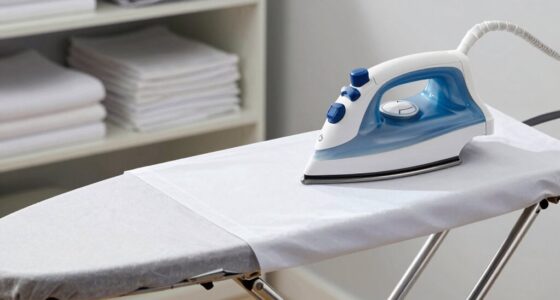
The hidden reason towels stop feeling absorbent is often due to improper washing and drying habits. Using too much detergent, hot water, or fabric softeners coats fibers and reduces their ability to soak up moisture. Over-drying or high heat can damage the fibers, making your towel stiff and less effective. Switching to gentle care, air drying, and avoiding harsh chemicals can help preserve their plushness. If you want to uncover more tips, keep exploring how to maintain your towel’s absorbency long-term.
Key Takeaways
- Residue from fabric softeners creates a waxy layer that blocks fiber absorption.
- Using high heat during washing or drying damages fibers, reducing absorbency.
- Low-quality or worn-out towels lose plushness and water retention over time.
- Over-drying towels causes fibers to become stiff and less effective at absorbing moisture.
- Improper washing with harsh detergents leaves residue that diminishes towel absorbency.
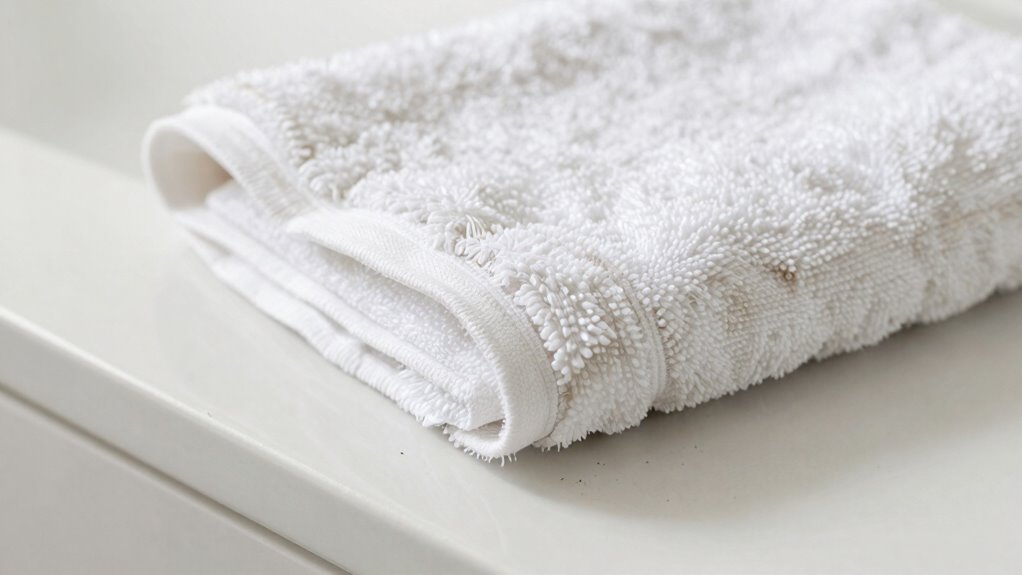
Have you ever noticed your towels no longer feel as absorbent as they used to, even after washing them? It’s a common frustration, and the culprit often lies in the towel material and washing techniques. Your towels’ ability to soak up water depends heavily on what they’re made of. For example, terry cloth made from cotton generally offers the best absorbency because of its looped fibers, which trap air and water. However, over time, if you switch to synthetic fibers like microfiber or blend materials, you might notice a decline in absorbency. Even within cotton towels, the quality of the material matters—lower-quality fabrics tend to lose their plushness faster. Proper fabric care and maintenance are essential to keep towels functioning optimally. Using appropriate washing practices can significantly extend their lifespan and effectiveness.
Choosing high-quality cotton towels and proper care preserves their plushness and absorbency over time.
Washing techniques also play a crucial role in maintaining your towels’ absorbent qualities. Many people unknowingly damage their towels by using too much detergent or washing them at high temperatures. Excess detergent leaves a residue that coats the fibers, blocking their ability to absorb water. To keep towels feeling soft and fluffy, it’s best to use a moderate amount of mild detergent and avoid fabric softeners, which can coat fibers with a waxy layer, reducing absorbency. Additionally, washing towels in hot water might seem like a good idea for cleanliness, but it can actually break down the fibers over time, making them rough and less absorbent. Instead, opt for warm or cold water cycles, which are gentler and preserve the fiber integrity of the towel material. Recognizing the importance of proper laundry care can help prevent damage and prolong their usefulness.
Drying techniques are just as important as washing. Tossing your towels into a hot dryer might seem efficient, but high heat can damage the fibers and lead to a stiff, less absorbent towel. Over-drying also strips away the natural fibers’ ability to retain water. To maintain their plushness, dry towels on low heat or air dry them whenever possible. When you do use a dryer, adding dryer balls can help fluff the fibers and restore some of the towel’s original softness and absorbency. Regularly rotating your towels and not overloading the dryer can also help ensure even drying and prevent unnecessary wear.
In essence, understanding your towel material and adopting proper washing techniques go hand in hand to keep your towels feeling plush and absorbent. Switching to high-quality cotton, avoiding harsh detergents, and choosing gentle drying methods can extend the lifespan of your towels’ absorbent properties. Recognizing how these factors influence your towels allows you to care for them properly, ensuring they remain soft, fluffy, and highly functional for years to come.
high-quality cotton bath towels
As an affiliate, we earn on qualifying purchases.
As an affiliate, we earn on qualifying purchases.
Frequently Asked Questions
Can Washing Towels Too Often Affect Their Absorbency?
Yes, washing towels too often can reduce their absorbency. Frequent washing strips away the natural fibers and may cause towel dyeing to fade, making them feel less plush. Overwashing also leads to odor retention, as bacteria build up if towels aren’t dried properly. To keep towels absorbent and fresh, wash them less frequently, use mild detergents, and avoid fabric softeners that can coat fibers and hinder absorbency.
Do Fabric Softeners Reduce Towel Absorbency Over Time?
Yes, fabric softeners can reduce towel absorbency over time. They leave behind a buildup on towel fibers, creating a slick layer that repels water. This fabric softener buildup causes towel fiber degradation, weakening the material and decreasing its ability to absorb moisture. To keep your towels fluffy and absorbent, it’s best to avoid frequent softener use and opt for natural alternatives like vinegar in your laundry routine.
How Does Water Hardness Impact Towel Absorption?
Water hardness, caused by mineralization, markedly impacts towel absorption. When your water has high mineral content, mineral buildup occurs on towel fibers, making them less porous. Over time, this reduces their ability to absorb water effectively. You might notice towels feeling less absorbent after repeated washings. To maintain their absorbency, consider using water softeners or descaling treatments, which help remove mineral deposits and keep towels fluffy and absorbent.
Are There Specific Materials That Retain Absorbency Longer?
You’ll find that towels made from natural fibers like Egyptian or Turkish cotton retain their absorbency longer because of their fiber composition. These materials are durable, which means they resist wear and tear better over time. Microfiber towels also stay absorbent longer due to their fine synthetic fibers. Choosing towels with high material durability and superior fiber composition guarantees they keep their absorbent qualities wash after wash.
Can Towel Size or Thickness Influence Drying Efficiency?
Think of your towel as a sponge—bigger and thicker ones soak up more water, making drying more efficient. Larger sizes and increased thickness provide a greater surface area and volume, enhancing absorption. Towel color and pattern variations don’t impact drying, but choosing the right size and thickness does. A plush, generously-sized towel wraps you in comfort and speed, turning drying into a swift, soothing experience.
dryer balls for towels
As an affiliate, we earn on qualifying purchases.
As an affiliate, we earn on qualifying purchases.
Conclusion
So, next time your towel feels like a soggy piece of cardboard, remember it’s likely clogged with soap residue or minerals, not just old age. Cleaning it thoroughly can turn your towel back into a mighty absorbent superhero—capable of soaking up an ocean in seconds! Don’t let a simple mistake turn your luxurious softness into a useless, lint-producing nightmare. Take action now, and reclaim your towel’s true power before it’s too late!
mild detergent for towels
As an affiliate, we earn on qualifying purchases.
As an affiliate, we earn on qualifying purchases.
air drying towel rack
As an affiliate, we earn on qualifying purchases.
As an affiliate, we earn on qualifying purchases.