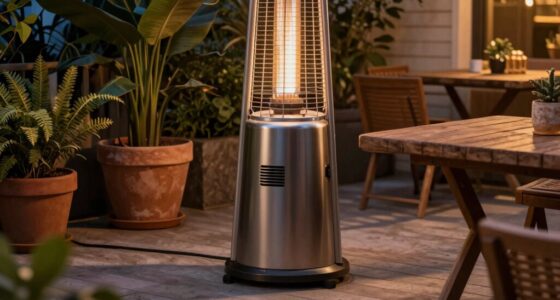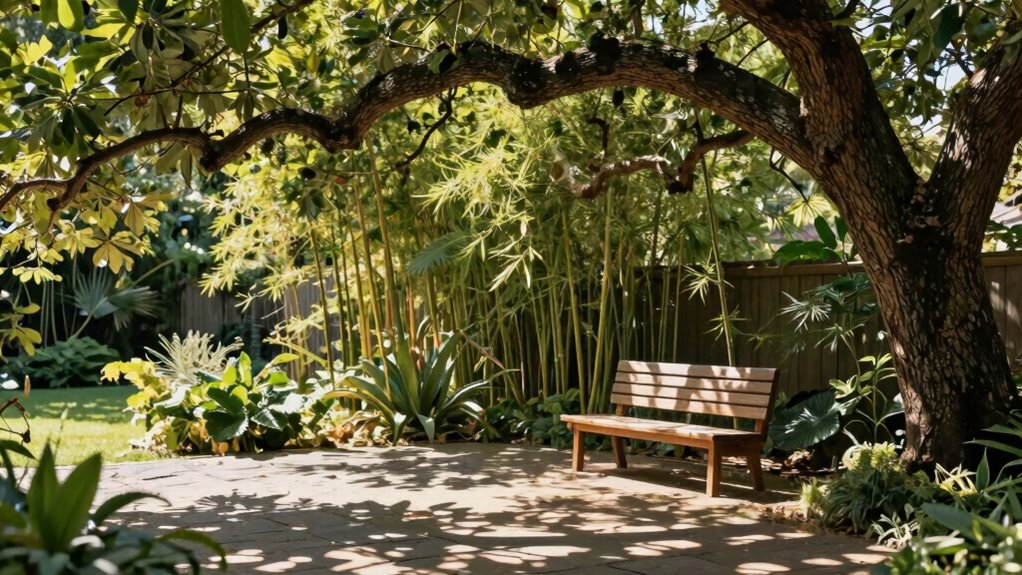
Shade planning greatly impacts your outdoor space’s comfort, energy efficiency, and usability, often more than furniture choices. Proper shade helps you stay cool in summer, stay warm in winter, and makes your space inviting year-round. It also reduces your dependence on energy-consuming devices and adds aesthetic value. Well-designed shade solutions ensure your outdoor area remains versatile and resilient to weather changes. Keep exploring to discover how thoughtful shade planning can transform your outdoor experience.

Get home appliances delivered free with Prime
- Fast, free delivery on millions of items
- Prime Video, Amazon Music and more included
- Member-only deals all year
Key Takeaways
- Proper shade planning enhances outdoor comfort and usability regardless of furniture, making spaces more adaptable to weather conditions.
- Shade solutions provide long-term climate responsiveness, reducing reliance on furniture that may need frequent replacement.
- Well-designed shade structures contribute to aesthetic appeal and functional integration, surpassing furniture in visual impact.
- Strategic shading improves environmental benefits, such as energy savings, which furniture alone cannot achieve.
- Shade planning ensures outdoor spaces remain comfortable and functional across seasons, unlike furniture that offers limited weather protection.

When planning your outdoor space, shade often takes a backseat to furniture choices, but it should be a top priority. Proper shade isn’t just about comfort; it plays a vital role in sunlight optimization and climate adaptation. By thoughtfully incorporating shade, you can control the amount of sunlight that reaches your space, making it more functional and enjoyable throughout the year. This means you can bask in the sun when you want warmth and light, or seek refuge under shade when the sun’s intensity is too much. It’s about creating a balanced environment that adapts to seasonal changes and daily weather patterns, ensuring your outdoor area remains usable and inviting regardless of the conditions.
Prioritizing shade enhances outdoor comfort, climate adaptability, and year-round usability for a balanced, inviting space.
Focusing on shade from the start allows you to design a space that responds effectively to climate variations. If you live in a hot climate, strategic shade can significantly reduce heat buildup, making your outdoor area cooler and more comfortable. Conversely, in cooler regions, you might want to maximize sunlight exposure during winter months, so your shade solutions should be adaptable or adjustable. This approach helps you extend the usability of your outdoor space, whether you’re hosting gatherings or enjoying quiet moments alone. It also reduces reliance on energy-consuming cooling or heating devices, aligning with eco-friendly practices and saving you money in the long run. Incorporating Climate-responsive design strategies further enhances the resilience and sustainability of your outdoor space, making it a smart investment for the future.
When considering shade options, think beyond just umbrellas or trees. Permanent structures like pergolas, awnings, or shade sails offer flexible solutions that can be tailored for year-round climate adaptation. You can incorporate adjustable features, such as retractable roofs or movable screens, to fine-tune sunlight exposure based on the time of day or season. This level of control enhances sunlight optimization, ensuring that your outdoor environment remains comfortable and functional regardless of external conditions. Sunlight management is a key element in creating a truly adaptable outdoor space, and thoughtful design can make all the difference. Shade structures can also serve dual purposes—providing shelter from the sun while also adding aesthetic value. Thoughtfully designed shade structures can become focal points, complementing your overall landscape design. Whether you choose lush greenery for natural shade or modern architectural elements for a sleek look, integrating shade with your outdoor aesthetic enhances both form and function.
Furthermore, considering climate adaptation strategies in your shade planning can help your outdoor space be more resilient to changing weather patterns, ensuring long-term enjoyment and sustainability. Paying attention to environmental factors can guide you in selecting the most effective shade solutions for your specific location. Ultimately, prioritizing shade in your planning process means you’re investing in a versatile, climate-responsive outdoor space. It’s about creating a place that adapts smoothly to changing weather and sun patterns, making sure you get the most out of every moment outside. When you give shade the attention it deserves, your outdoor space becomes not just a pretty area but a thoughtfully designed refuge that offers comfort, energy efficiency, and year-round usability.
As an affiliate, we earn on qualifying purchases.
Frequently Asked Questions
How Does Shade Planning Impact Energy Efficiency?
Shade planning directly impacts your energy efficiency by optimizing solar performance and providing cooling benefits. When you strategically place shading structures, you reduce heat gain inside your space, cutting down on the need for air conditioning. This not only saves energy but also lowers your utility bills. Proper shade planning guarantees your home stays cooler naturally, enhancing comfort and making your overall energy use more sustainable.
Can Shade Design Influence Outdoor Air Quality?
Think of shade design as a guardian for your outdoor space, quietly battling the sun and pollution. You can influence outdoor air quality by creating shaded zones that cool urban microclimates, reducing heat and trapping pollutants. Proper shade planning acts like a filter, mitigating pollution and improving air flow. When you thoughtfully design shading, you not only add comfort but also help clear the air, making your outdoor environment healthier and more inviting.
What Are the Best Materials for Durable Shade Structures?
You should choose materials like high-density polyethylene (HDPE) or solution-dyed acrylic for durable shade structures. These fabrics excel in fabric durability, resisting fading, tearing, and mold. For the frame, opt for galvanized steel or powder-coated aluminum, which provide strength and longevity. Prioritize material sustainability by selecting eco-friendly, recyclable options. Combining these materials guarantees your shade structure remains resilient, functional, and environmentally responsible over time.
How Does Shade Planning Affect Plant and Garden Health?
Shade planning directly impacts your plant growth and soil moisture levels. By strategically placing shade, you protect plants from harsh sun, preventing dehydration and stress. It helps maintain consistent soil moisture, reducing watering needs and soil erosion. Proper shade design fosters healthier roots and promotes lush growth. When you plan shade carefully, you create a balanced environment that supports thriving plants and a vibrant garden, making your outdoor space more sustainable and beautiful.
Is Shade Planning Important for Year-Round Outdoor Comfort?
Yes, shade planning is essential for year-round outdoor comfort. By analyzing seasonal sun patterns, you can strategically position shade structures and plants through thoughtful shade placement. This helps you stay cool in the summer, protect against harsh sunlight, and enjoy your outdoor space in winter when the sun is lower. Effective shade planning guarantees comfort and usability throughout all seasons, making your outdoor area more enjoyable and functional year-round.
As an affiliate, we earn on qualifying purchases.
Conclusion
Prioritizing shade planning protects your comfort, preserves your space, and enhances your outdoor experience. It’s about more than just furniture; it’s about creating an environment that’s welcoming, functional, and sustainable. When you focus on shade, you’re investing in your well-being, your enjoyment, and your outdoor life. Because shade isn’t just an addition—it’s the foundation. Embrace thoughtful shade planning, and you’ll enjoy a space that’s cooler, calmer, and more connected to nature’s rhythm.
As an affiliate, we earn on qualifying purchases.
As an affiliate, we earn on qualifying purchases.
Fall yard work Picks
leaf blowers
As an affiliate, we earn on qualifying purchases.