To improve traffic flow around patios, decks, and paths, plan clear, wide routes that connect key areas smoothly, avoiding sharp turns or narrow passages. Arrange furniture to keep pathways unobstructed and position seating at natural pauses like garden overlooks. Use layered landscape lighting along pathways and zones to guide and guarantee safety. Creating multiple routes helps disperse traffic, while flexible design allows adjustments over time. Keep exploring for more tips on making your outdoor flow seamless and inviting.

Get home appliances delivered free with Prime
- Fast, free delivery on millions of items
- Prime Video, Amazon Music and more included
- Member-only deals all year
Key Takeaways
- Plan wide, direct pathways connecting patios, decks, and key zones to facilitate smooth movement.
- Arrange furniture to keep pathways clear and avoid obstructing main traffic routes.
- Use landscape lighting along pathways and around features to guide foot traffic safely.
- Incorporate multiple routes and seamless transitions to distribute traffic evenly across the space.
- Observe usage patterns and adjust path widths, seating, and lighting to optimize flow and accessibility.
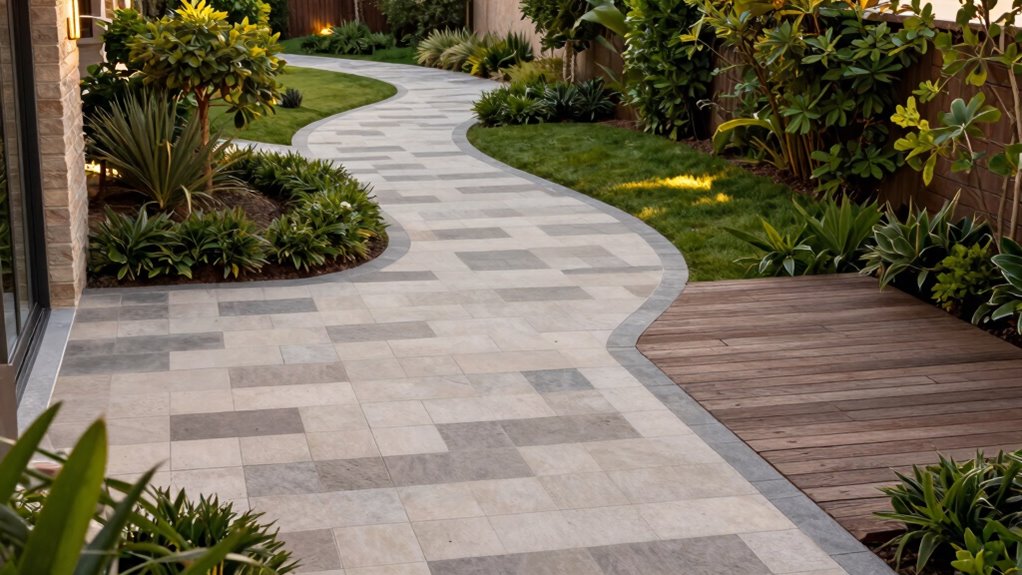
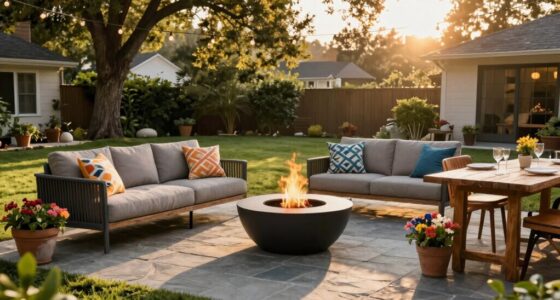
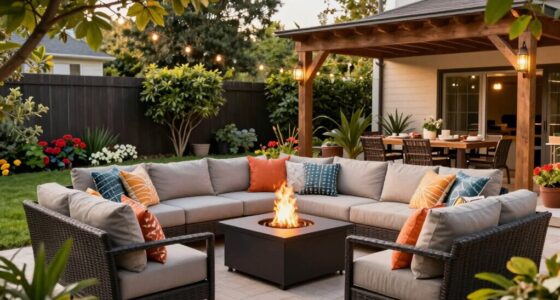
Creating a smooth traffic flow around patios and decks is essential for both safety and convenience. When you plan how people move through your outdoor space, you want to minimize obstacles and create a natural, intuitive pathway. Start by considering the main routes people will take from your home to different areas like seating zones, garden beds, or pathways. These routes should be wide enough to accommodate foot traffic comfortably, ideally around 3 to 4 feet, so movement isn’t cramped or awkward. Think about how furniture placement influences traffic—arrange seating arrangements so they don’t block pathways, leaving clear corridors for easy passage. This way, guests can navigate without bumping into tables, chairs, or decorative elements.
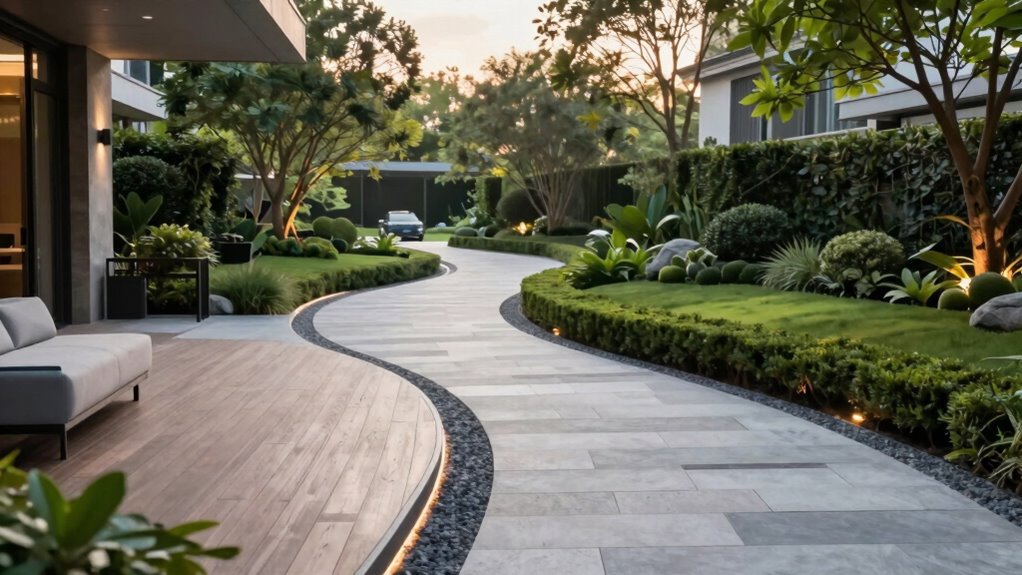
Lighting plays a vital role in guiding traffic flow, especially in the evening. Incorporate landscape lighting along pathways and around key features to subtly direct movement. Low-voltage path lights or LED strips can illuminate walkways without overpowering the space, making it obvious where to walk and reducing the risk of trips or falls. Well-lit paths also enhance safety and create a welcoming atmosphere. When designing your lighting, consider layering—use a combination of spotlights, pathway lights, and accent lighting to highlight key features and define spaces clearly. Proper lighting not only improves visibility but also subtly influences how people move through your outdoor environment. Additionally, understanding traffic flow principles can help you optimize the overall layout and prevent congestion. Paying attention to traffic patterns ensures that your space remains functional and inviting.
Your entrance points and alterations between different zones should be seamless, avoiding abrupt changes that could cause confusion or congestion. For example, position pathways to connect your patio directly to the yard, garden, or pool area without sharp turns or narrow passages. If your space is large, consider creating multiple routes to disperse traffic evenly and prevent bottlenecks. Incorporate seating arrangements strategically, placing benches or chairs at natural pause points, such as overlooking a garden or view, which encourages people to relax without blocking the main pathways. These seating spots also serve as visual cues for the flow of movement, subtly guiding guests along the intended routes.
Finally, keep your design flexible. As you observe how people use your space, be ready to make adjustments—widen paths that get congested or reposition seating to improve flow. Clear, logical pathways combined with thoughtful lighting and well-placed seating arrangements will create a harmonious outdoor environment where traffic moves smoothly, safety is prioritized, and your landscape’s beauty shines through.
Products Worth Considering

Philips Hue Festavia 130-Foot Indoor/Outdoor Smart String Lights, 500 Color-Changing LEDs

Bose SoundLink Flex Bluetooth Speaker (2nd Gen) – Portable Outdoor Speaker with Hi‑Fi Audio, Waterproof and Dustproof, USB‑C, Up to 12 Hours

Philips Hue Play HDMI Sync Box 4K with 65-Inch Play Gradient Light Strip
As an affiliate, we earn on qualifying purchases.
Frequently Asked Questions
How Can Lighting Improve Traffic Flow at Night?
Lighting improves traffic flow at night by guiding you safely through pathways and around patios. Ambient lighting creates a welcoming atmosphere, reducing confusion and enhancing visibility. Pathway illumination highlights the route, making it easier to navigate without obstacles or hazards. By strategically placing lights, you can direct foot traffic smoothly and prevent accidents, ensuring your outdoor space remains functional and inviting even after sunset.
What Materials Are Best for Durable, Low-Maintenance Pathways?
You should choose materials that prioritize material longevity and landscape integration for durable, low-maintenance pathways. Concrete pavers and natural stone offer excellent longevity and blend seamlessly with surrounding landscapes. Gravel is also a good option, providing easy upkeep and flexibility in design. These materials resist weather and heavy foot traffic, ensuring your pathways remain functional and attractive with minimal effort. Opt for those that complement your landscape for a cohesive look.
How to Incorporate Accessibility in Traffic Flow Design?
Irony aside, you should prioritize Universal Accessibility and Inclusive Design to make traffic flow genuinely accessible. You’ll want smooth, level surfaces free of obstructions, wide enough for wheelchairs and strollers, and clearly marked pathways. Incorporate gentle slopes, tactile cues, and contrasting colors to guide everyone effortlessly. By doing so, you create an environment where every person, regardless of ability, can navigate comfortably and confidently, truly embracing inclusive outdoor spaces.
What Are Cost-Effective Solutions for Large Outdoor Spaces?
For large outdoor spaces, opt for cost-efficient landscaping by choosing native plants that require less maintenance and watering. Use budget-friendly paving options like gravel or concrete instead of expensive materials, which helps keep costs down. Incorporate simple, functional pathways that guide traffic flow naturally, reducing unnecessary materials and labor. These solutions make your outdoor space attractive and functional without overspending, giving you a beautiful environment that’s easy to maintain.
How to Prevent Congestion During Gatherings or Events?
Think of your outdoor space as a well-orchestrated symphony, where pedestrian zones and vehicle separation keep everything flowing smoothly. To prevent congestion during gatherings, set up designated pathways for foot traffic, clearly mark pedestrian zones, and create separate areas for vehicles. This way, guests can move freely without bottlenecks, and your event stays enjoyable. Proper planning guarantees everyone has space to mingle comfortably without chaos or confusion.
Conclusion
By thoughtfully shaping the movement around your outdoor spaces, you create a harmonious flow that subtly guides guests and family alike. When you gently balance accessibility with aesthetic appeal, you foster a welcoming environment where paths and patios feel naturally connected. Remember, the art lies in the delicate details—crafting a flow that feels effortless invites lingering enjoyment and quiet appreciation. In the end, it’s about nurturing a space where every step gently leads to comfort and connection.