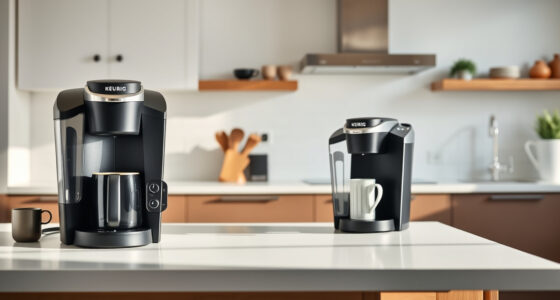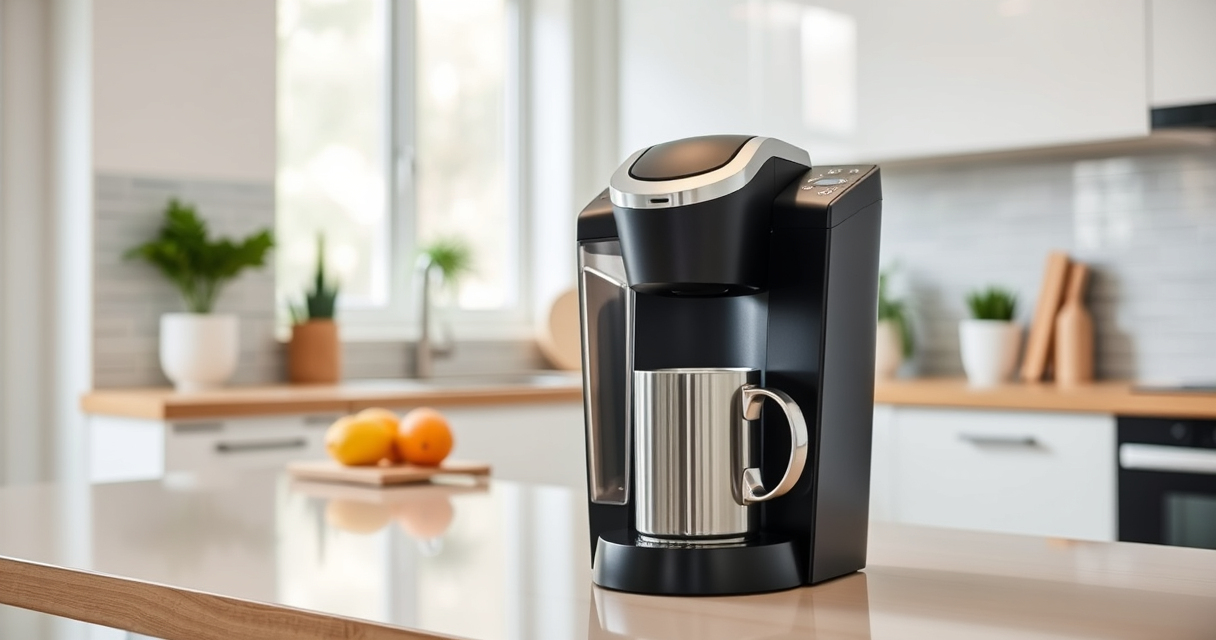
Proper cleaning and maintenance of your Keurig K-Elite are essential to ensure delicious coffee and extend your brewer’s lifespan. Regular cleaning removes mineral buildup, residue, and oils that can affect flavor and machine performance.

Get home appliances delivered free with Prime
- Fast, free delivery on millions of items
- Prime Video, Amazon Music and more included
- Member-only deals all year
This guide provides clear, practical steps for safe and effective cleaning, including descaling, rinsing, and using compatible cleaning products.
Gather Necessary Supplies
- Fresh water
- White vinegar or descaling solution
- Cleaning brush or Q-tips
- Recommended cleaning products (see below)
Empty and Disassemble Your Keurig K-Elite
- Turn off and unplug the machine for safety.
- Remove the water reservoir, drip tray, and K-Cup holder.
- Empty any remaining water or used coffee grounds.
Clean the Removable Parts
- Wash the water reservoir, drip tray, and K-Cup holder with warm, soapy water.
- Use a brush or Q-tips to clean small crevices and the K-Cup holder’s needle.
Descale the Machine
- Fill the water reservoir with a mixture of equal parts water and white vinegar or use a descaling solution.
- Place a cup on the drip tray and run a brewing cycle without a K-Cup.
- Repeat until the reservoir is empty, then let the machine sit for 30 minutes.
- Rinse by running 2-3 cycles with clean water to remove vinegar or descaling solution.
Final Rinse and Reassemble
Wash all removable parts thoroughly, then reassemble the machine. Fill the reservoir with clean water and run a few brew cycles to ensure no residue remains.
Your Keurig K-Elite is now clean, descaled, and ready for fresh coffee!
Products That Help
My K-Cup® Reusable Coffee Filter
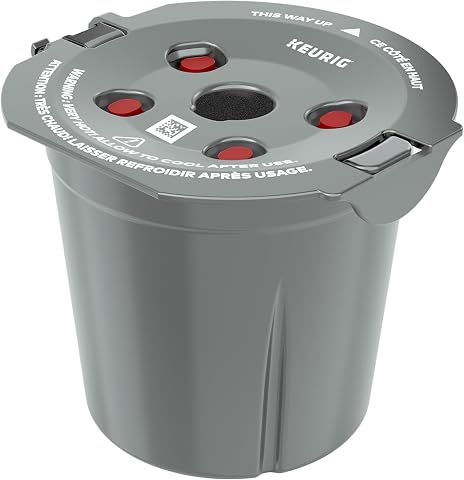
The My K-Cup® Reusable Coffee Filter allows you to brew your favorite ground coffee directly in your Keurig K-Elite, offering a customizable and eco-friendly option. It’s easy to clean and compatible with the K-Brew+Chill models.
Pros:
- Cost-effective for frequent brewers
- Customizable coffee strength
- Compatible with K-Brew+Chill
- Made by Keurig for perfect fit
Cons:
- Requires ground coffee measurement
- Slightly more cleanup than pods
- Not compatible with all models
Best for: Home users who prefer ground coffee and want control over brew strength
Not ideal for: Those who prefer convenience of pre-packaged pods
Bottom line: A durable, eco-friendly option to brew with your own ground coffee.
Frequently Asked Questions
How often should I descale my Keurig K-Elite?
It is recommended to descale every 3 to 6 months, depending on usage and water hardness.
Can I use vinegar for descaling?
Yes, a mixture of equal parts water and white vinegar is effective and safe for descaling your Keurig.
Is it safe to put all parts in the dishwasher?
Most removable parts like the water reservoir and drip tray are dishwasher safe, but always check the manufacturer’s cleaning instructions.
What should I do if my machine is still clogged after cleaning?
Repeat the descaling process, ensure all parts are cleaned thoroughly, and check for any blockages in the needle or water lines.
Affiliate disclosure: As an Amazon Associate we earn from qualifying purchases. Prices and availability are accurate as of the time of publishing.
Cold & flu season Picks
humidifiers
As an affiliate, we earn on qualifying purchases.