TL;DR

Get home appliances delivered free with Prime
- Fast, free delivery on millions of items
- Prime Video, Amazon Music and more included
- Member-only deals all year
A hacker transformed a commercial ESP32 smart bulb into a local web server hosting banned books. The project demonstrates how IoT devices can bypass censorship but also raises security concerns.
A hacker has modified a commercially available ESP32 smart bulb to function as a local web server hosting a digital library of banned books, highlighting both the versatility of IoT devices and ongoing issues of censorship and security.
The project involves disassembling an ESP32-based smart bulb to access its internal components, then installing custom firmware to turn it into a web server. This server hosts a small collection of e-books pulled from US school libraries, which are often labeled as ‘banned’ or controversial. The bulb broadcasts a WiFi network with a captive portal, allowing users to browse and read these books directly from their devices.
The modification was achieved despite hardware limitations, such as only 4MB of onboard storage, which restricts the number of books that can be hosted. The device retains its original smart bulb functionality, including adjustable lighting, and can be used as a normal smart bulb when not serving content. The project aims to demonstrate how everyday IoT devices can be repurposed for bypassing censorship and sharing restricted content locally.
Potential Impact of IoT Devices as Censorship Bypass Tools
This hack underscores the dual nature of IoT devices: while they offer innovative functionalities, they can also be repurposed to challenge censorship and promote free access to information. It raises concerns about security vulnerabilities in consumer IoT products, which could be exploited maliciously, and highlights the need for better hardware security standards. For activists and privacy advocates, such modifications could serve as a method to circumvent restrictive content controls, but they also pose risks if malicious actors adopt similar tactics.
As an affiliate, we earn on qualifying purchases.
Background on IoT Devices and Censorship Challenges
Smart bulbs and other IoT devices have become widespread in homes and institutions, often equipped with WiFi and simple web servers for control functions. The trend towards hacking and repurposing these devices has grown, with hobbyists and activists exploring their potential beyond intended use. Previous projects have demonstrated turning IoT gadgets into mini servers or game consoles, but this is one of the first known instances of a smart bulb hosting a digital library of banned literature. The project builds on ongoing discussions about the security risks posed by IoT devices, which are often poorly secured and vulnerable to exploitation.
“This project illustrates how consumer IoT devices can be used to challenge censorship and promote access to information, but it also highlights significant security vulnerabilities.”
— an anonymous researcher
As an affiliate, we earn on qualifying purchases.
Unresolved Security and Legal Implications
It is not yet clear whether the modified firmware introduces significant security vulnerabilities that could be exploited maliciously or if the project complies with legal restrictions regarding content hosting and device modification. The long-term stability of such a setup and its potential use in real-world censorship resistance are still uncertain.
smart bulb with adjustable brightness
As an affiliate, we earn on qualifying purchases.
As an affiliate, we earn on qualifying purchases.
Future Developments in IoT Hacking and Censorship Resistance
Further exploration is expected into the security implications of repurposing IoT devices like smart bulbs. Developers and security researchers may analyze vulnerabilities exposed by such hacks, while activists might explore similar methods for circumventing censorship. Manufacturers could also respond by implementing stricter security controls or hardware protections to prevent unauthorized modifications.
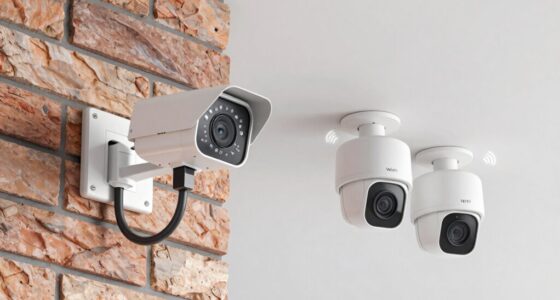
IoT security camera and smart bulb
As an affiliate, we earn on qualifying purchases.
As an affiliate, we earn on qualifying purchases.
Key Questions
Can this hack be used maliciously?
While the project demonstrates a technical possibility, there is potential for malicious use if such devices are exploited to host harmful content or malware. However, the current example is limited to hosting benign, publicly available books.
Does modifying a smart bulb void its warranty?
Most manufacturers consider hardware modifications as voiding warranties, and tampering with IoT devices can also breach legal or safety regulations.
Could this hack be applied to other IoT devices?
Yes, similar modifications could be made to other WiFi-enabled devices with accessible hardware and sufficient storage, such as smart speakers or cameras.
Is hosting banned books legal?
Legal considerations vary by jurisdiction; hosting or distributing certain banned content may violate local laws. The project does not endorse illegal activity but aims to demonstrate technical possibilities.
What are the security risks of such modifications?
Unauthorized firmware changes can introduce vulnerabilities, making devices susceptible to hacking, data breaches, or use in botnets. Manufacturers are encouraged to improve security standards.
Source: Hackaday
Halloween Picks
halloween
As an affiliate, we earn on qualifying purchases.