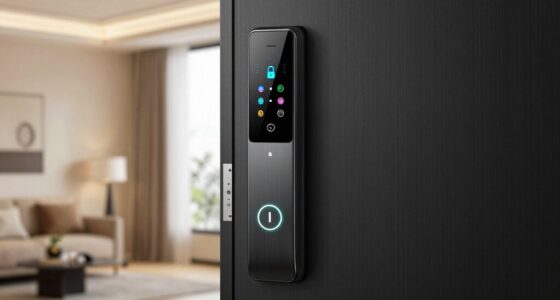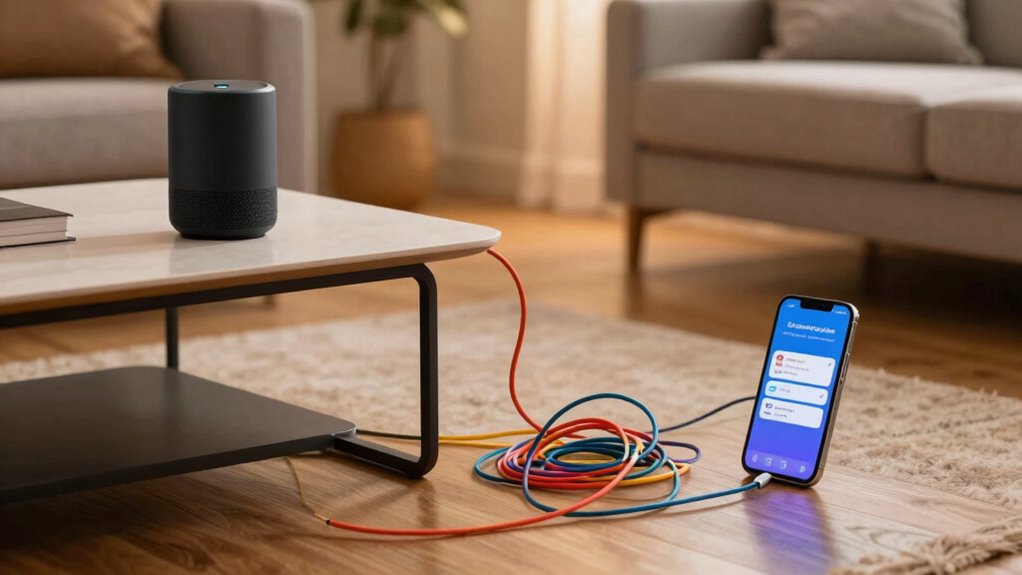

The biggest mistake in setting up a smart home is ignoring device compatibility. When your devices don’t communicate well or rely on proprietary platforms, simple tasks turn into frustrations. Voice commands become unreliable, and managing multiple apps feels like a chore. Firmware updates and evolving standards can cause further disconnects. Staying aware of compatibility issues and standards makes your smart home more reliable. Keep going to discover how you can avoid these pitfalls and enjoy seamless convenience.
Listen free for 30 days with Audible
Thousands of audiobooks and originals — cancel anytime.
As an affiliate, we earn on qualifying purchases.
Key Takeaways
- Incompatible devices prevent seamless voice control and automation, causing daily frustration.
- Lack of standardized protocols leads to fragmented ecosystems and inconsistent device responses.
- Firmware and compatibility updates can disconnect devices, requiring troubleshooting or replacements.
- Proprietary platforms often prioritize features over compatibility, limiting integrated smart-home functionality.
- Ignoring compatibility standards results in complex setups and diminished user experience.
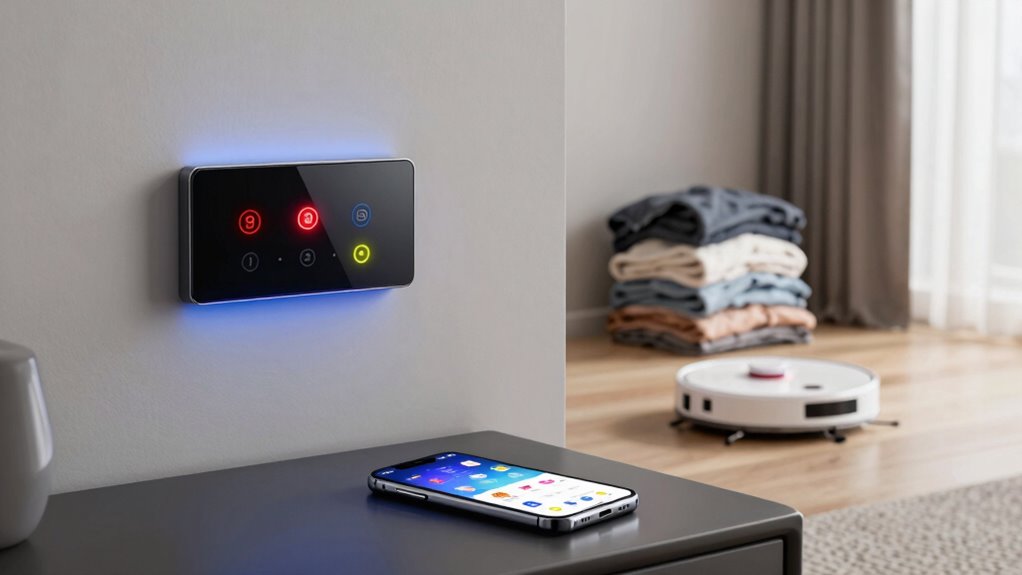
Despite the promise of seamless convenience, many smart-home systems inadvertently create daily friction by making simple tasks more complicated. You might think that voice control would be the ultimate solution, allowing you to effortlessly turn on lights, adjust the thermostat, or play music with just a command. But in reality, voice control often falls short because of inconsistent device compatibility. When your smart devices aren’t designed to work together smoothly, you find yourself repeating commands or switching between apps, which defeats the purpose of a streamlined experience.
Device compatibility is the core issue here. Not all smart devices speak the same language, and many systems rely on proprietary platforms that don’t always sync perfectly. For example, you might have a smart speaker that’s supposed to control your smart bulbs, but if those bulbs aren’t compatible with your speaker’s ecosystem, your voice commands won’t turn the lights on or off. Instead, you’re forced to open multiple apps, manually control settings, or troubleshoot connectivity issues, which adds frustration to your daily routine. Device interoperability plays a crucial role in ensuring a hassle-free smart home experience. Additionally, some manufacturers prioritize certain features over compatibility, leading to fragmented ecosystems that complicate rather than simplify.
Device incompatibility forces manual control and troubleshooting, undermining the convenience of your smart home.
Voice control can be a game-changer when everything works seamlessly, but the reality is that many devices still have limited compatibility. You might find yourself frustrated because your favorite smart plug doesn’t respond to your voice commands, or your smart lock only works with a specific app, not with your preferred voice assistant. This inconsistency hampers your ability to enjoy a truly integrated smart home and can turn simple tasks into convoluted processes. When your devices don’t recognize or respond to your commands reliably, you lose the convenience you were hoping for. Additionally, standardization in device protocols can help reduce these issues, but it’s not yet universally adopted. Recognizing the importance of device compatibility standards**** can help you make smarter choices when building your smart home.
Furthermore, manufacturers often update their firmware or change compatibility standards, which can lead to sudden disconnects or new setup requirements. If your smart home isn’t built on a unified platform or lacks broad device compatibility, these updates can introduce new hurdles, forcing you to spend time troubleshooting or replacing devices. It’s easy to get caught in a cycle where you buy a new gadget, only to find it doesn’t work well with your existing system, adding unnecessary steps to your daily routine. Recognizing device compatibility issues early on can help prevent future frustrations. Staying informed about compatibility updates can help you maintain a reliable smart home setup over time.
As an affiliate, we earn on qualifying purchases.
Frequently Asked Questions
How Can I Simplify My Smart-Home Device Setup Process?
To simplify your smart-home device setup, start by using device grouping features to organize similar devices together, making control easier. Next, focus on user customization by setting up routines and preferences tailored to your daily habits. This streamlines your experience, reducing the need for individual adjustments. Regularly update your apps and firmware, and keep a clear, organized setup to avoid confusion and create a seamless smart-home environment.
What Are Common Security Risks With Smart-Home Systems?
You’re playing with fire if you ignore security vulnerabilities and privacy concerns in your smart-home system. Common risks include weak passwords, unpatched software, and unsecured Wi-Fi networks that hackers can exploit. These vulnerabilities open the door to unauthorized access, risking your data and privacy. To stay safe, regularly update your devices, use strong passwords, and enable two-factor authentication—don’t let your smart home become an open book.
How Do I Troubleshoot Smart-Home Device Connectivity Issues?
To troubleshoot smart-home device connectivity issues, start by checking your Wi-Fi signal strength and ensuring your device is within range. Restart both the device and your router to refresh the connection. Make sure your voice control settings are properly configured and updated. For energy efficiency, confirm that your device’s firmware is current, which can improve stability. Sometimes, resetting the device or reconnecting it to your network solves persistent issues quickly.
Can I Integrate New Devices Without Disrupting Existing Systems?
Yes, you can integrate new devices without disrupting existing systems by checking device compatibility beforehand. Make sure the new device supports your current smart-home platform to avoid integration challenges. Update your system firmware if needed, and follow manufacturer instructions carefully. Taking these steps minimizes disruption and guarantees smooth integration, allowing your smart home to expand seamlessly without causing daily friction or compromising existing setups.
What Are Best Practices for Managing Smart-Home Device Updates?
Managing smart-home device updates is like tuning a finely crafted instrument—you want harmony, not chaos. You should regularly check for updates, use voice control features to streamline the process, and guarantee your devices are compatible before upgrading. Keep energy efficiency in mind by avoiding unnecessary updates. Schedule updates during off-peak hours and back up your settings, so your smart home runs smoothly without disrupting your daily routine.
As an affiliate, we earn on qualifying purchases.
Conclusion
So, next time you set up your smart home, remember that over 60% of users report daily frustrations caused by simple setup errors. Taking the time to properly configure your devices can save you from constant annoyance and make your smart home truly seamless. Don’t let a small mistake turn your smart home into a source of daily friction. With a little extra care, you’ll enjoy a smoother, more efficient experience every day.
smart home device compatibility checker
As an affiliate, we earn on qualifying purchases.
As an affiliate, we earn on qualifying purchases.
smart home ecosystem starter kit
As an affiliate, we earn on qualifying purchases.
As an affiliate, we earn on qualifying purchases.
Fall Picks
fall essentials
As an affiliate, we earn on qualifying purchases.