Choosing the wrong device can make smart home automation frustrating. A smart hub offers extensive control and seamless integrations, but requires setup and a bigger investment. A smart speaker is quick and easy, perfect for voice commands and entertainment, but may limit device compatibility. To get the most reliable, secure, and flexible experience, it’s essential to pick the right option for your needs. Keep exploring to discover which device aligns best with your automation goals.

Get home appliances delivered free with Prime
- Fast, free delivery on millions of items
- Prime Video, Amazon Music and more included
- Member-only deals all year
Key Takeaways
- Choosing a smart speaker limits device compatibility and automation flexibility, leading to frustration if expansion is needed later.
- Selecting a smart hub offers broader protocol support and customization, preventing compatibility issues with diverse devices.
- Relying solely on a smart speaker can cause connectivity and privacy concerns, hindering reliable automation.
- Poor setup, security lapses, or overloading networks with a hub can create security risks and connectivity problems.
- Matching your automation complexity and device ecosystem with the right device type ensures smoother, more satisfying smart home experiences.
best smart home hub for automation
As an affiliate, we earn on qualifying purchases.
As an affiliate, we earn on qualifying purchases.
What Are the Main Differences Between Smart Hubs and Smart Speakers
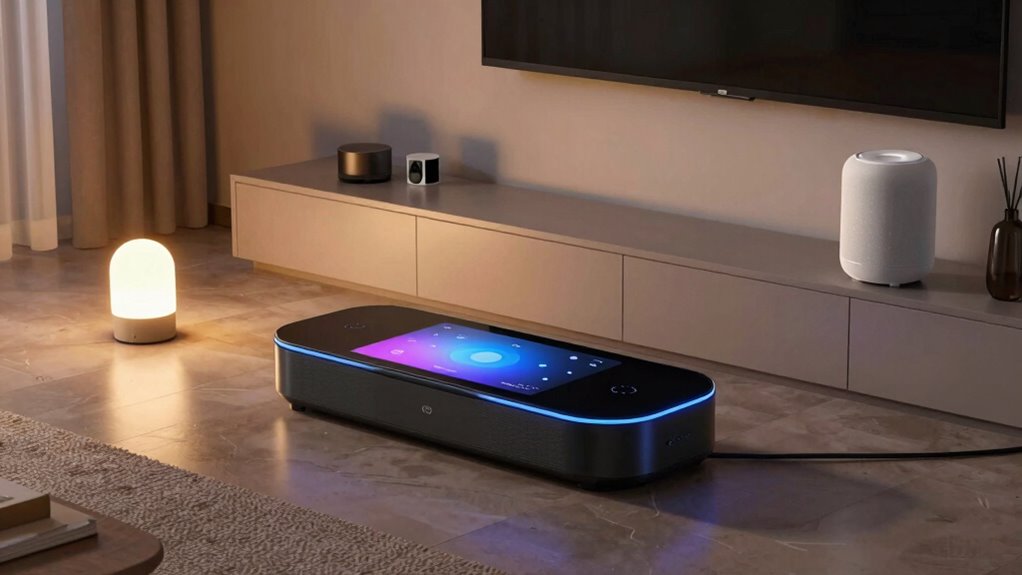
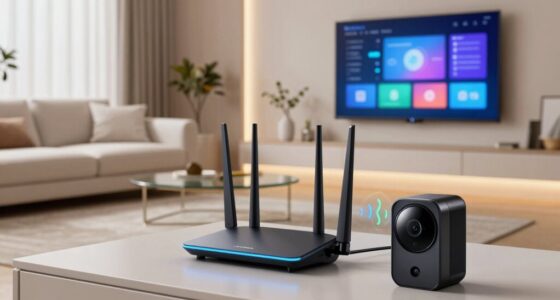
Smart hubs and smart speakers are both popular devices that help you manage your smart home, but they serve different purposes. Smart hubs act as central controllers, connecting multiple devices and allowing you to automate routines seamlessly. They typically require setup and can handle complex integrations, but they also raise security concerns since they store your data locally or in the cloud. Smart speakers focus on voice commands for quick access to information and entertainment. However, they also have privacy implications because they are always listening for wake words, which can lead to accidental recordings. Additionally, connectivity options vary between the two, impacting how reliably your devices communicate and operate. Understanding these differences helps you weigh the security concerns and privacy implications of each device, so you can choose the one that best fits your comfort level and needs. For example, some smart hubs offer local network control, reducing reliance on cloud services and potentially enhancing security. Moreover, evaluating the compatibility with your existing devices can influence which device suits your setup better. Being aware of privacy features can also help you make more informed decisions about your smart home setup. Considering the security measures each device offers can further ensure your smart home remains protected from unauthorized access.
smart speaker with wide device compatibility
As an affiliate, we earn on qualifying purchases.
As an affiliate, we earn on qualifying purchases.
How to Decide If a Smart Hub or a Smart Speaker Is Right for You
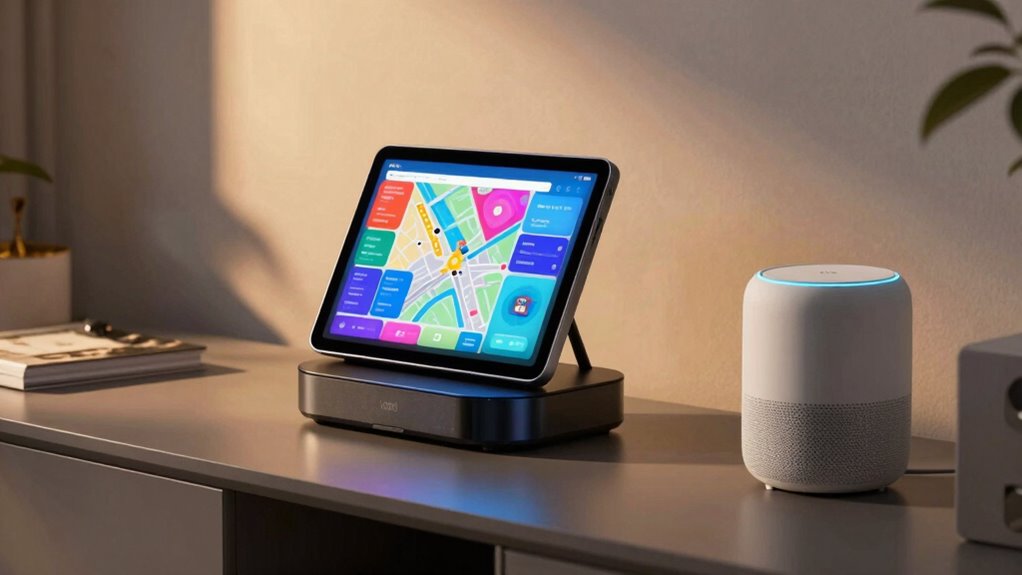
To choose between a smart hub and a smart speaker, start by considering which devices you already own and how well they’ll work together. Think about how simple it needs to be to use and whether the cost fits your budget. Weighing these points can help you decide which smart device best fits your lifestyle. Additionally, understanding the compatibility of automotive performance parts can inform your decision, ensuring your smart home setup integrates smoothly with your existing devices. Recognizing the role of connectivity standards can further optimize your system’s performance and future expandability.
Compatibility With Devices
When deciding between a smart hub and a smart speaker, considering device compatibility is essential. Your choice depends on how well each device supports device interoperability, ensuring your gadgets work seamlessly together. Smart hubs typically offer broader system integration, allowing you to connect multiple brands and protocols, which is ideal if you have diverse devices. Smart speakers, however, might be more limited in compatibility, often favoring their own ecosystem. Check if your existing smart devices are compatible with the hub or speaker you’re considering. This ensures smooth communication and reliable automation. Ultimately, prioritizing compatibility helps prevent frustrations and guarantees your smart home functions as intended, whether you choose a hub or a speaker. Additionally, understanding the content formats available can influence which device best suits your needs, as some hubs support more versatile media and automation options.
Ease of Use
Deciding between a smart hub and a smart speaker often comes down to ease of use, especially if you’re new to smart home technology. With a smart speaker, voice command is straightforward—just speak your request, and it responds instantly. It requires minimal manual setup, making it ideal if you want quick, hands-free control. In contrast, a smart hub may involve more manual setup initially, connecting various devices through an app or physical connections. While it offers more customization, it can be overwhelming for beginners. If you prefer simplicity and immediate voice control, a smart speaker is your best choice. However, if you’re willing to invest time in setup for broader device integration, a smart hub might serve you better. Additionally, understanding the ease of use can help you make the right choice for your needs. For those unfamiliar with smart home technology, starting with a smart speaker can provide a smoother introduction. Recognizing the compatibility of devices with your chosen system can also influence your decision, ensuring seamless operation. To further assist, consider the integration capabilities that suit your existing devices and future expansion plans. Moreover, evaluating device management options can help maintain a user-friendly experience as your smart home evolves.
Budget Considerations
Budget is a key factor when choosing between a smart hub and a smart speaker, as costs can vary considerably. Effective budget planning involves understanding the initial purchase price and ongoing expenses. Conducting a thorough cost comparison helps you determine what fits within your financial limits. Smart hubs generally have a higher upfront cost but offer more extensive automation features, while smart speakers are often more affordable and easier to set up. Consider the following:
- Price difference between models
- Compatibility with existing devices
- Subscription or service fees
- Long-term value versus short-term savings
As an affiliate, we earn on qualifying purchases.
Benefits of Using a Smart Home Hub for Automation
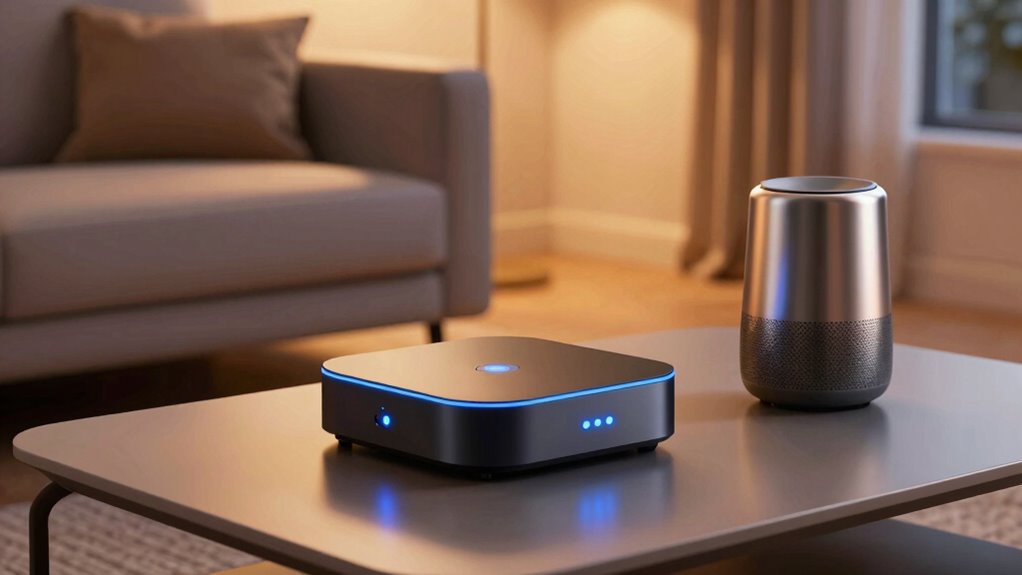
Using a smart home hub puts all your devices under one roof, making control simple and quick. It boosts efficiency by automating routines and reducing the need for manual adjustments. Plus, it offers better compatibility, so you can connect a wider range of devices without worrying about compatibility issues. Additionally, a smart home hub can help you manage your home soundproofing more effectively, creating a quieter and more comfortable living space. Incorporating a centralized control system can further enhance your overall automation experience, ensuring all components work seamlessly together. Leveraging DIY tools and safety tips can also help you optimize your setup and maintenance, ensuring your smart devices operate safely and efficiently. Understanding device interoperability is crucial for building a reliable and scalable smart home setup. Utilizing comprehensive system integration strategies can facilitate smoother communication among diverse devices, enhancing your automation capabilities.
Centralized Control Efficiency
A smart home hub streamlines automation by centralizing control, so you don’t have to juggle multiple apps or devices. This setup improves efficiency by giving you a single interface to manage everything seamlessly. With voice recognition, you can issue commands effortlessly, making automation more intuitive. Plus, a hub enhances data privacy by consolidating your smart devices, reducing exposure across multiple platforms. It also allows you to set custom routines that activate multiple devices simultaneously, saving time and effort. Additionally, centralized control minimizes lag and connectivity issues, ensuring your automation runs smoothly. Understanding side-channel attacks related to clocks and time can help you interpret the significance of automation timing or disruptions in your smart home. Overall, using a smart home hub maximizes control efficiency, making your smart home more reliable and easier to manage. You enjoy streamlined automation without sacrificing security or convenience.
Enhanced Device Compatibility
One of the biggest advantages of a smart home hub is its ability to enhance device compatibility across different brands and protocols. This means you can use a single hub to connect various smart devices, regardless of their manufacturer or communication standards. With better device integration, you won’t be limited to one brand or ecosystem, making automation smoother and more flexible. When you use a hub, voice command becomes more effective because it can control all compatible devices through unified control. This is especially important as electric bus fleets are adopting more sustainable and interconnected technologies, demonstrating the importance of seamless device compatibility. Additionally, a smart hub can support standardized protocols, ensuring future device compatibility and reducing obsolescence. This simplifies managing your smart home, allowing you to easily customize routines and automate tasks across different devices. Ultimately, improved device compatibility ensures your smart home functions seamlessly, reducing frustration and maximizing your automation experience.
As an affiliate, we earn on qualifying purchases.
Why a Smart Speaker Is Great for Voice Control and Entertainment
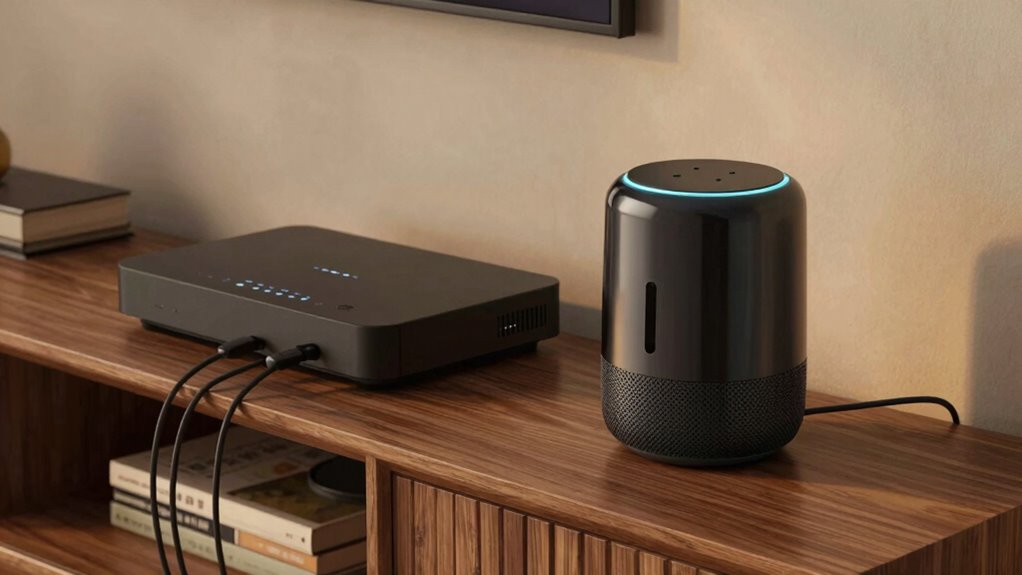
Smart speakers excel at providing seamless voice control and entertainment, making it easy for you to manage your smart home devices, play music, or get information with just your voice. With a simple voice command, you can control lights, adjust thermostats, or ask for weather updates without lifting a finger. They also excel at music streaming, offering instant access to your favorite playlists and radio stations. Plus, smart speakers serve as a hub for quick answers, reminders, and news updates. Their intuitive design means you don’t need to open apps or navigate complex menus. You’ll enjoy hands-free convenience, making everyday tasks more efficient. The user-friendly interface of smart speakers enhances your overall experience, allowing even those less tech-savvy to enjoy automation benefits. This combination of voice command simplicity and entertainment versatility makes smart speakers a powerful addition to your home.
Key Factors to Consider When Choosing a Smart Home Device
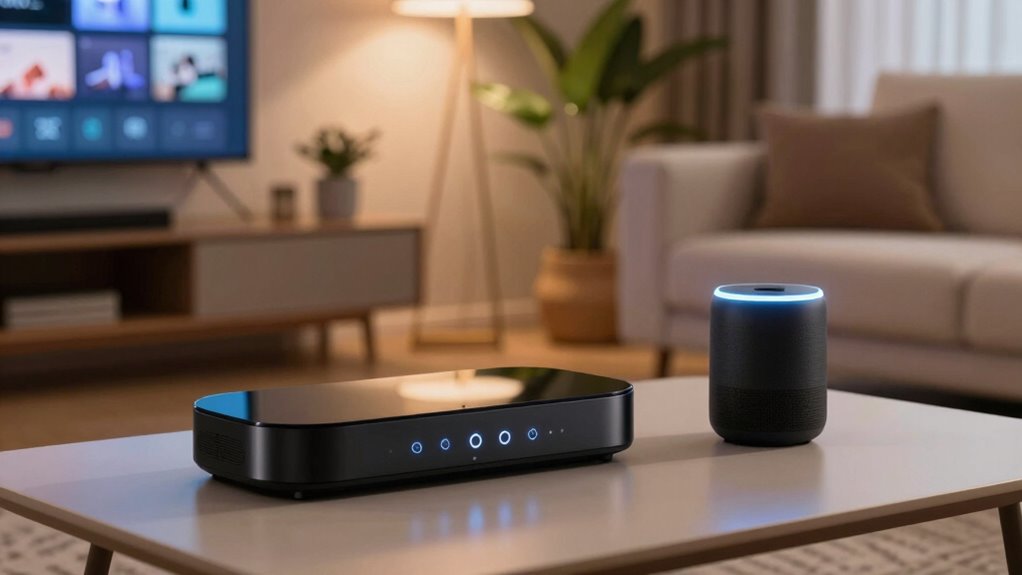
When choosing a smart home device, consider compatibility with your existing systems and the ecosystem you prefer. Ensuring seamless integration prevents frustration and maximizes automation potential. Pay close attention to security concerns—research how the device handles data and updates to protect your home from vulnerabilities. Privacy implications are equally important; understand what information the device collects and how it’s used or shared. Look for devices with strong encryption and transparent privacy policies. Compatibility and security go hand-in-hand, so check if the device supports your preferred voice assistants or automation platforms. Making informed choices now helps you create a secure, efficient smart home that aligns with your needs and minimizes potential risks down the line.
Common Mistakes to Avoid When Setting Up Your Smart Home
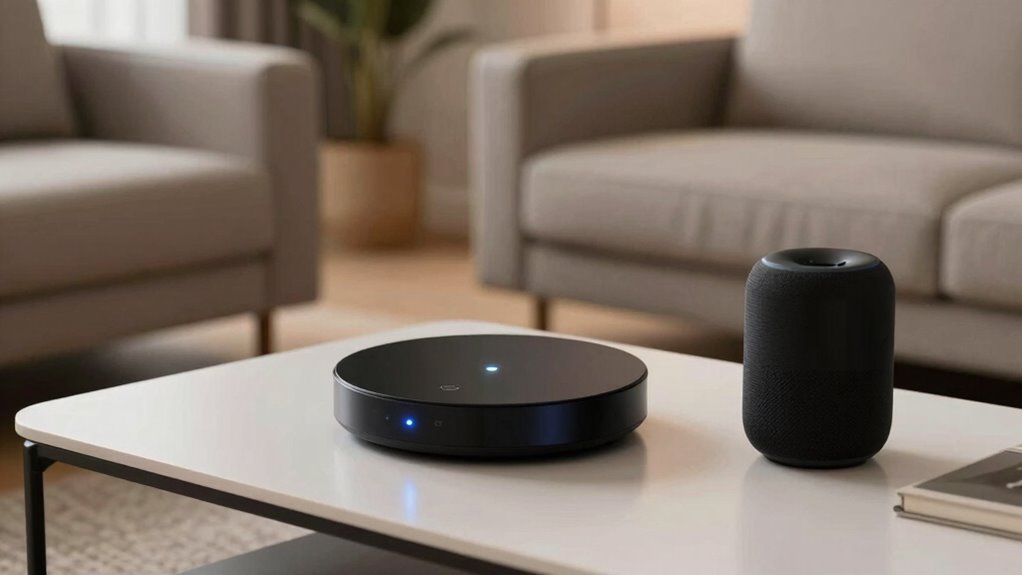
Setting up your smart home involves more than just installing devices; it requires careful planning to avoid common pitfalls that can hinder performance and security. One major mistake is neglecting security risks, which can expose your data privacy to breaches. Another is not changing default passwords, leaving your network vulnerable. Overloading your network with too many devices can cause connectivity issues. Additionally, failing to update firmware regularly increases security risks and hampers device functionality. To avoid these mistakes, ensure you change default credentials, segment your network for security, keep firmware current, and carefully select compatible devices. Being mindful of these common errors helps protect your data privacy and ensures your smart home runs smoothly.
Frequently Asked Questions
Can I Use a Smart Speaker Without a Smart Hub?
Yes, you can use a smart speaker without a smart hub. Most smart speakers, like Amazon Echo or Google Nest, offer voice control directly, making setup simple and straightforward without extra devices. Without a hub, your smart speaker handles basic automation, but if you want more complex setups or device integration, a smart hub might be necessary. So, it’s perfect for simple voice commands and easy setups.
Are Smart Hubs Compatible With All Smart Devices?
Smart hubs are not compatible with all smart devices, as device compatibility varies by brand and model. You might face integration challenges if your devices use different protocols or aren’t supported by your hub. To guarantee smooth automation, check your smart hub’s device compatibility list beforehand. This way, you avoid frustration and create a more seamless smart home experience. Always research compatibility before purchasing or connecting new devices.
How Secure Are Smart Hubs and Smart Speakers?
Smart hubs and smart speakers generally offer strong security, but you should stay cautious. They often have privacy concerns, especially if they listen constantly. Look for devices that use data encryption and offer privacy controls, like muting microphones or deleting voice recordings. Regular updates also help protect your data. By choosing reputable brands with robust security features, you can enjoy automation without compromising your privacy.
Do Smart Hubs Support Remote Access Outside My Home?
Yes, smart hubs often support remote access outside your home through cloud control, allowing you to manage devices from anywhere. They typically offer compatibility with a wide range of smart devices, making it easy to control lights, thermostats, and security systems remotely. Just verify your hub has reliable internet and security features to protect your data while you’re away, and you’ll enjoy seamless automation no matter where you are.
What’s the Cost Difference Between Smart Hubs and Smart Speakers?
If you’re considering automation, expect smart hubs to cost more upfront than smart speakers. For example, a recent case study shows a smart hub priced around $100 to $300, including installation costs, while a smart speaker typically runs between $50 and $150. The pricing comparison reveals that hubs often involve higher installation costs, but they offer more extensive control. Your choice depends on your budget and automation needs.
Conclusion
Choosing the right device can make or break your smart home experience. Don’t rush into a decision you’ll regret—know what features matter most to you. Whether it’s a hub or a speaker, pick what fits your needs and avoid biting off more than you can chew. Remember, it’s better to have a clear plan than to jump in blind. When you get it right, your smart home will run smoother than silk.
NFL season / tailgating Picks
team gear
As an affiliate, we earn on qualifying purchases.