TL;DR
Open a free Amazon Business account
Business pricing, bulk buying and tax-exempt orders.
Create a free accountAs an affiliate, we earn on qualifying purchases.
Smart home security cameras deliver real-time video, AI-driven alerts, and seamless integration. They’re rapidly evolving with 4K resolution, facial recognition, and better privacy controls—making home security smarter and safer.
Imagine leaving your house knowing you can check in anytime, anywhere. Your security camera streams crisp HD footage, detects movement, and even recognizes faces. That’s the power of today’s smart home cameras—reliable eyes and ears that fit into your life seamlessly.
In this guide, you’ll learn what makes a smart security camera truly smart, how recent tech upgrades improve safety, and what questions to ask before buying. Whether you want a simple indoor camera or a robust outdoor system, this is your quick start to smarter security.
Prioritize high-resolution (4K or 1080p) cameras with wide-angle lenses for comprehensive coverage.
Use AI features like facial recognition and smart alerts to reduce false alarms and improve security.
Ensure your cameras support end-to-end encryption and local storage to protect your privacy.
Match camera features with your environment—outdoor ruggedness for yards, night vision for dark spaces.
Always update firmware and use strong passwords to avoid hacking threats.
What Makes a Smart Home Security Camera Stand Out?
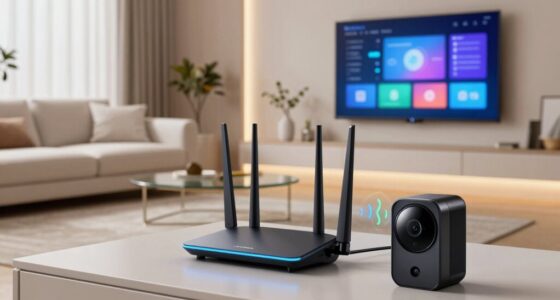
Smart cameras combine high-quality video with connectivity features. Expect clear HD footage—most now support 1080p, with some pushing into stunning 4K detail. Wide-angle lenses (up to 180°) let you see more without moving the camera.
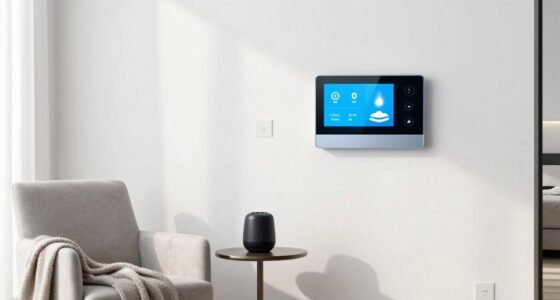
Pan, tilt, and zoom functions give you full control, turning a single device into a versatile surveillance hub. And with Wi-Fi or Ethernet options, these cameras fit neatly into your existing smart home ecosystem—think Alexa, Google, or Apple HomeKit.
Storage is key—cloud plans are common, but local options like SD cards or NAS devices keep your footage close. Motion alerts, two-way audio, and night vision add layers of security, making these cameras feel like a personal security guard.
4K outdoor security camera with night vision
As an affiliate, we earn on qualifying purchases.
As an affiliate, we earn on qualifying purchases.
Why Recent Tech Upgrades Make Cameras Smarter Than Ever
AI and machine learning are reshaping home security. Today’s cameras don’t just record—they analyze. For example, facial recognition helps identify familiar faces, reducing false alarms triggered by passing cars or animals.
Many systems now integrate with broader security setups—linking doorbells, alarms, and locks for a unified defense. Advanced video analytics can spot packages, recognize vehicles, or count people—creating smarter, more responsive homes.
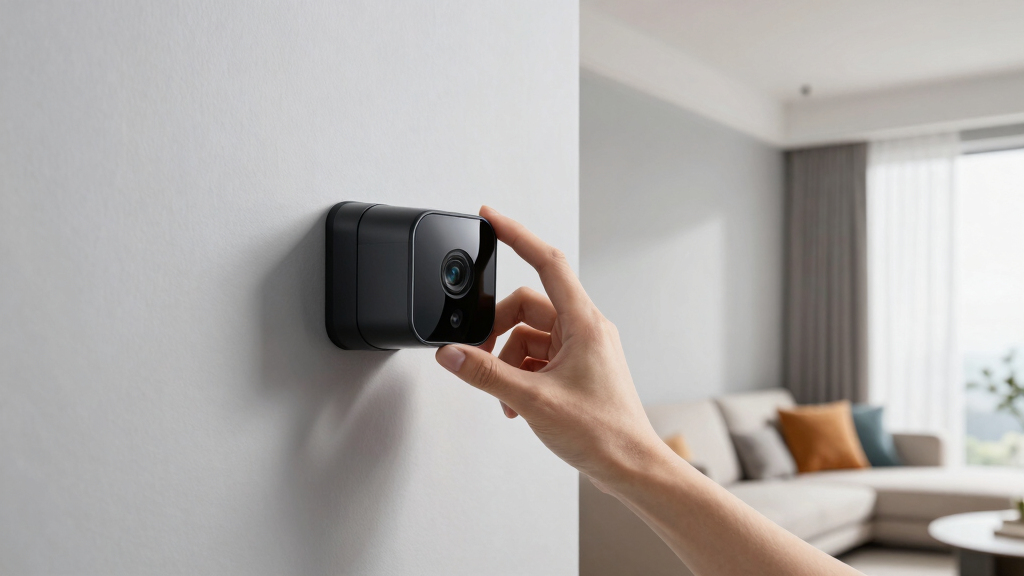
Wireless, battery-powered models mean no messy cables. Some use 5G and edge computing, processing data locally for faster response times and better privacy. Privacy features like shutters and local storage put control back in your hands.
Understanding these upgrades matters because they directly impact your security’s reliability and privacy. For instance, facial recognition can dramatically reduce false alarms—saving you time and avoiding unnecessary alerts. But it also raises privacy concerns about data storage and misuse, so knowing how these systems handle your data is crucial.
Wi-Fi indoor smart security camera with facial recognition
As an affiliate, we earn on qualifying purchases.
As an affiliate, we earn on qualifying purchases.
The Best Features to Look for in 2024
| Feature | Why It Matters |
|---|---|
| 4K Resolution | Crystal-clear footage for identifying faces and license plates. Higher resolution reduces ambiguity in footage, which is critical during investigations or disputes. However, it also demands more bandwidth and storage, so consider your network capacity. |
| Wide-Angle Lens | Coverage of larger areas without blind spots. This feature minimizes the need for multiple cameras, saving costs and simplifying setup. But beware—extremely wide lenses can introduce distortion, so balance coverage with image clarity. |
| AI Motion Detection | Reduces false alarms, alerts only when needed. This technology analyzes movement patterns to distinguish between animals, weather, and humans. It helps prevent alert fatigue and ensures you respond only to genuine threats, but it may require calibration to avoid missing subtle intrusions. |
| Two-Way Audio | Talk to visitors or scare off intruders remotely. This feature can serve as a virtual gatekeeper, allowing real-time communication. However, poor audio quality or lag can reduce effectiveness, so choosing a system with clear, low-latency audio is essential. |
| Night Vision | Clear monitoring in complete darkness. Infrared or color night vision extends security coverage into hours of darkness, but some systems may produce grainy images. Balancing image clarity with power consumption is key for outdoor setups. |
| Privacy Controls | Shutters, local storage, and user access settings. These features are vital for protecting your data from unauthorized access. They also help adhere to privacy laws—important if you’re mounting cameras in sensitive areas or in multi-tenant buildings. |
Prioritize features based on your home size and security needs. For example, a busy urban apartment might need sharp night vision and AI alerts, while a rural property benefits from rugged weatherproofing and long battery life.
battery-powered home security camera with motion alerts
As an affiliate, we earn on qualifying purchases.
As an affiliate, we earn on qualifying purchases.
How to Pick the Perfect Camera for Your Home — 3 Simple Steps
- Assess your space: Indoor or outdoor? Large yard or small apartment? This determines weatherproofing, field of view, and installation needs.
- Identify your must-have features: Decide if you need 4K resolution, facial recognition, or two-way audio. Make a list to match with your budget.
- Check compatibility and privacy: Ensure the camera works with your smart home system. Read privacy policies—look for encryption and local storage options.
For example, a homeowner with a long driveway might prioritize a weatherproof, wide-angle camera with motion detection, while someone in a city apartment might focus on night vision and smart alerts. Making these decisions carefully ensures your investment aligns with your actual security needs, avoiding overspending on unnecessary features or missing critical coverage.
smart home security camera with local storage
As an affiliate, we earn on qualifying purchases.
As an affiliate, we earn on qualifying purchases.
The Pitfalls and How to Avoid Them
Security cameras can be vulnerable if not set up properly. Weak passwords, outdated firmware, or unsecured Wi-Fi open doors for hackers. Always update your device firmware and use strong, unique passwords. This minimizes the risk of unauthorized access and potential data breaches, which can compromise your privacy and security.
Privacy concerns also loom—choose cameras with end-to-end encryption and local storage options. Be cautious about where and how you mount cameras—avoid pointing them directly at neighbors’ windows or public areas to respect privacy laws. This not only prevents legal issues but also maintains good neighborly relations.
Remember, a camera isn’t a magic shield. It’s part of a layered security plan that includes locks, alarms, and good habits. Think of it as a vigilant eye, not an invincible fortress. Proper setup and awareness of vulnerabilities are essential to maximize its effectiveness and protect your privacy.
Frequently Asked Questions
How do I choose the best security camera for my home?
Start by assessing your space—indoor or outdoor—and decide which features matter most: resolution, field of view, AI alerts. Match your choices to your budget and privacy needs, and ensure compatibility with your existing smart home system.
Are smart security cameras secure from hacking?
Yes, if you take steps like changing default passwords, updating firmware regularly, and choosing devices with end-to-end encryption. Avoid unsecured Wi-Fi networks and enable two-factor authentication where possible.
What’s the difference between wired and wireless cameras?
Wired cameras offer steady power and connection, often more secure but harder to install. Wireless cameras are easier to set up, portable, and flexible but rely on Wi-Fi—making them vulnerable if your network isn’t secure.
Do I need a subscription for cloud storage?
Many cameras include free local storage, but cloud plans usually offer extended recording and more features. Evaluate your security needs and budget before committing to a subscription.
Can I access my footage remotely?
Absolutely. Most smart cameras allow live viewing and playback via smartphone apps, whether you’re at work or on vacation. Just ensure your internet connection is secure.
Conclusion
Smart home security cameras are no longer just cameras—they’re intelligent sentinels that adapt to your life. They give you peace of mind, whether you’re at home or away, with features that keep getting smarter and more private.
When choosing your system, focus on what truly fits your home’s needs, and don’t forget to lock down your devices. After all, a well-placed camera is a powerful tool—use it wisely and confidently.
Fall Picks
fall essentials
As an affiliate, we earn on qualifying purchases.