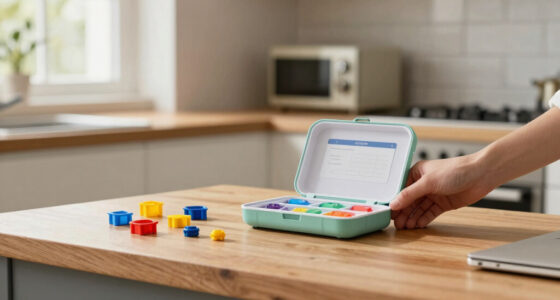
Whole-home energy monitoring reveals how your household uses electricity, pointing out the biggest energy wasters and habits that drive your power bill. It tracks real-time data from your appliances, showing you when and where you’re consuming the most energy. With this information, you can identify inefficient devices, adjust usage patterns, and target upgrades. Exploring these insights helps you save money and improve efficiency—discover more ways to cut costs by exploring further.

Get home appliances delivered free — and shop member deals
- Fast, free delivery on millions of items
- Access to Prime Big Deal Days deals on October 6–7
- Prime Video, Amazon Music and more included
Key Takeaways
- It identifies high-energy appliances and usage patterns that significantly impact your power bill.
- Real-time data reveals sudden spikes, helping you address unexpected energy waste immediately.
- Historical analysis shows seasonal trends and recurring behaviors affecting your overall costs.
- Monitoring highlights standby power losses from devices on standby, reducing phantom loads to save money.
- Comparative insights can benchmark your energy use against similar homes, guiding targeted efficiency improvements.
As an affiliate, we earn on qualifying purchases.
What Is Whole-Home Energy Monitoring and How Does It Help You Save?

Whole-home energy monitoring is a system that tracks your electricity usage across your entire house in real-time. It helps you identify how much energy your smart appliances consume and highlights opportunities to adopt renewable options like solar panels or wind turbines. By understanding your energy patterns, you can make smarter decisions about when and how to use appliances, reducing waste and lowering your bills. The system provides detailed insights into which devices are the biggest energy hogs, allowing you to optimize their use or upgrade to more efficient models. Additionally, this awareness encourages behavioral changes that can lead to significant energy savings over time. Incorporating capacity and watt-hours considerations from your energy monitoring data can help you select appropriate performance parts like energy-efficient appliances and renewable systems. Understanding your energy consumption patterns is key to making targeted improvements that maximize savings. Plus, integrating renewable options becomes easier when you see exactly how much energy you need and when. Overall, whole-home energy monitoring empowers you to save money and support sustainability efforts.
As an affiliate, we earn on qualifying purchases.
How Does Whole-Home Energy Monitoring Work?
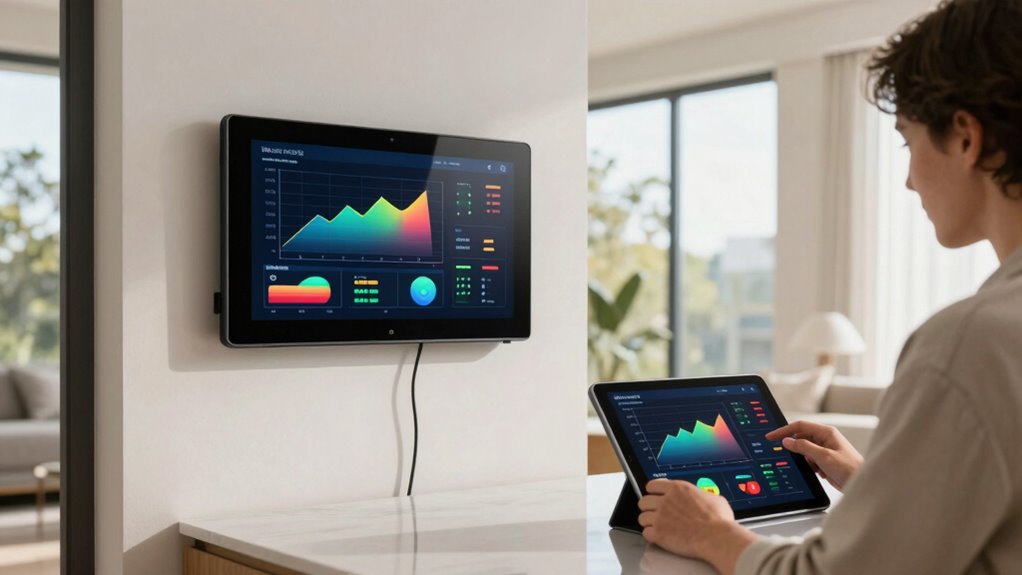
To understand how whole-home energy monitoring works, it’s important to know that it relies on advanced sensors and a central hub to collect real-time data from your electrical system. These sensors are installed on your main electrical panel or individual circuits and track energy consumption as it happens. A high level of precision in data collection ensures accurate monitoring and insights. The data is sent to a smart grid-connected device, which processes and displays it on your app or monitor. This system helps you see which appliances use the most power and identify patterns. It also supports load balancing by providing insights to optimize energy use, reducing waste and preventing overloads. Proper power management is essential for safety and efficiency when using whole-home monitoring systems. Additionally, many systems integrate home automation features that enable you to set schedules and respond automatically to your energy data. Understanding the role of advanced sensors and their placement can improve your system’s effectiveness and accuracy. These sensors often utilize smart technology to enhance data collection and system responsiveness. Basically, it creates a connected network that empowers you to manage your energy more efficiently and supports grid stability.
electricity usage monitor for home
As an affiliate, we earn on qualifying purchases.
As an affiliate, we earn on qualifying purchases.
What Are the Biggest Energy Wasters in Your Home?

You might be surprised to learn that inefficient heating and cooling systems often waste the most energy in your home. Additionally, many devices draw power even when turned off, known as standby power drain. Identifying and fixing these issues can make a big difference in your energy bills. Incorporating energy-efficient appliances can further reduce unnecessary energy consumption and enhance overall savings. Understanding energy consumption patterns through whole-home monitoring can help you target the biggest waste sources more effectively. Regularly analyzing power usage data enables a more precise approach to reducing overall energy waste, especially when combined with knowledge about appliance efficiency ratings and their impact on your energy profile. Moreover, implementing smart energy management systems can optimize your home’s energy use automatically and prevent waste.
Inefficient Heating and Cooling
Inefficient heating and cooling often account for the largest energy waste in a home, especially when systems run without proper regulation. You might be surprised how much energy slips away through poorly managed temperature control. To fix this, consider these steps:
- Install smart thermostats to optimize settings and reduce unnecessary heating or cooling.
- Upgrade insulation to prevent heat loss in winter and keep cool air inside during summer.
- Seal leaks around doors and windows to prevent drafts that force your system to work harder.
- Regularly maintain HVAC systems to ensure they run efficiently and avoid energy waste.
- Monitoring your home’s energy use with whole-home energy monitoring can help identify specific areas where energy is being wasted and optimize your system performance. Engaging in energy data analysis provides actionable insights to further reduce waste and improve efficiency, allowing you to target the biggest energy wasters in your home. Implementing energy efficiency strategies based on these insights can lead to substantial savings on your power bill. Additionally, understanding indoor air quality factors can help ensure your home remains comfortable and healthy while optimizing energy use.
Standby Power Drain
Even when your heating and cooling systems are well-regulated, they aren’t the only sources of energy waste. Standby power, also called phantom load, is a major contributor to unnecessary energy use. Devices like TVs, chargers, and computers often draw power even when turned off or not in use. This ongoing drain can add up over time, increasing your electricity bill without providing any benefit. To reduce standby power, unplug devices when they’re not needed or use smart power strips that cut power automatically. Monitoring your home’s energy use reveals how much phantom load contributes to your overall consumption. Understanding home energy efficiency can help you target areas for savings. Addressing standby power drain is an easy way to save energy and lower your bills, making your home more efficient overall. For example, utilizing energy-efficient appliances can further decrease unnecessary power consumption. By implementing simple measures, you can significantly reduce energy wastage and improve your home’s sustainability.
As an affiliate, we earn on qualifying purchases.
How Can Real-Time Data Help You Cut Your Power Bill?
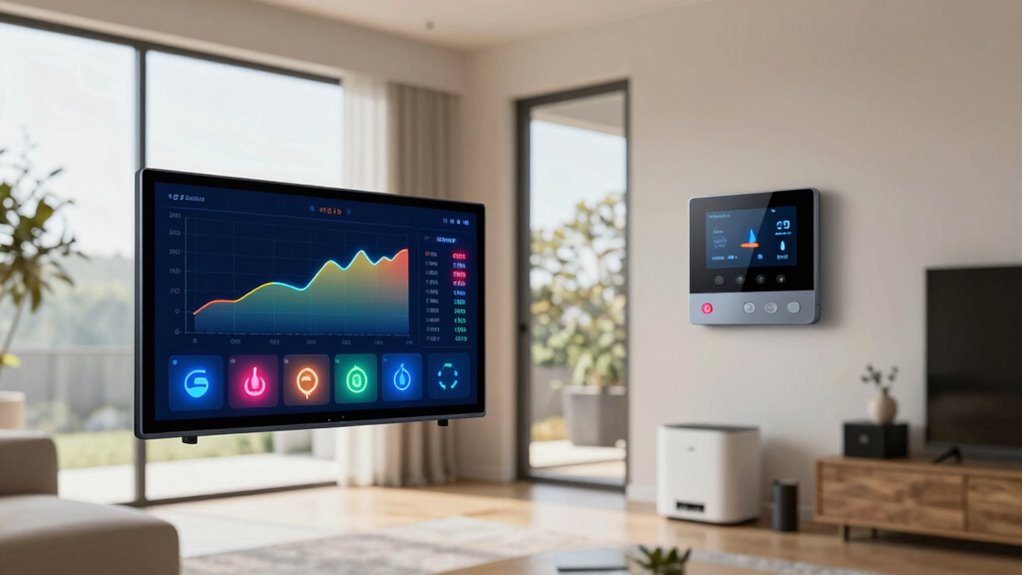
Real-time energy data provides immediate insight into how your household consumes power, allowing you to identify high-usage appliances and habits. With smart meters and energy dashboards, you can see exactly where your electricity goes. Here’s how it helps you cut your bill:
- Spot peak usage times and adjust your habits accordingly.
- Detect appliances that consume more power than expected.
- Switch off devices when not in use to prevent unnecessary energy drain.
- Set real-time alerts to stay aware of sudden spikes in consumption.
How to Use Historical Data to Find Trends and Save?
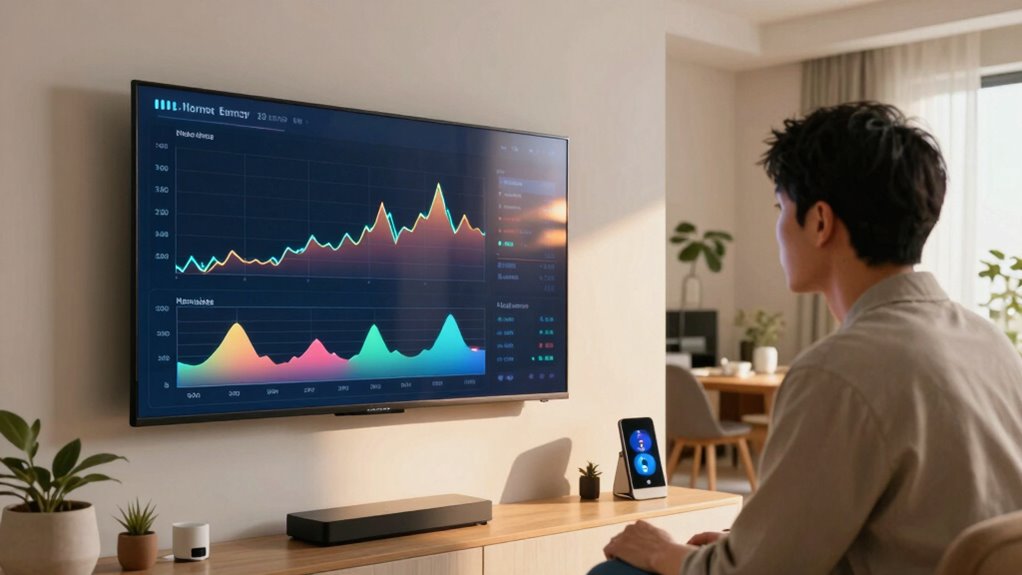
By analyzing your past energy data, you can spot patterns in your consumption habits. Recognizing these trends helps you identify when and where you use the most power. With this insight, you can make targeted changes to save money and improve efficiency.
Historical Data Analysis
Analyzing your home’s historical energy data allows you to identify patterns and uncover opportunities for savings. By reviewing past usage, you can:
- Spot times when appliance efficiency drops, prompting maintenance or upgrades.
- Recognize seasonal fluctuations that suggest ideal renewable integration periods.
- Detect excessive energy use during specific hours, helping you adjust habits.
- Pinpoint appliances or systems that consistently consume more energy than necessary.
This analysis helps you fine-tune your energy plan, improve appliance efficiency, and seamlessly incorporate renewable sources. Understanding these trends enables smarter decisions, reducing costs and environmental impact. With a clear picture of your historical data, you’ll be empowered to optimize your energy use effectively.
Identifying Consumption Patterns
Reviewing your home’s historical energy data reveals clear patterns in how and when you use electricity. By analyzing this data, you can identify times of peak energy consumption and which appliances contribute most to your bill. For example, you might notice that your air conditioning runs heavily in the afternoons or that your laundry machine uses significant energy on weekends. Recognizing these trends helps you adjust your appliance usage, such as running high-energy devices during off-peak hours or limiting usage during peak times. This targeted approach allows you to reduce overall energy consumption and save money. Understanding when and how your appliances consume power empowers you to make smarter choices, ultimately lowering your electricity bills and increasing your home’s energy efficiency.
How Does Your Energy Use Compare to Similar Homes?

Understanding how your energy use stacks up against similar homes can reveal opportunities to save money and reduce your carbon footprint. By comparing your energy consumption to others in your neighborhood or home type, you gain insight into your home’s efficiency. Consider these points:
- Average energy use for homes in your area
- Typical energy-saving measures in comparable houses
- How your energy consumption differs from similar homes
- Potential areas to improve home efficiency
This comparison helps you identify if your home is more or less efficient than others. If your usage exceeds the average, it indicates room for improvement. Tracking this data makes it easier to target specific habits or upgrades that can lower your energy bills and shrink your environmental impact.
Practical Tips to Reduce Your Energy Costs With Monitoring Data

Using your monitoring data effectively can lead to tangible savings on your energy bills. By analyzing patterns, you can identify opportunities to switch to renewable sources like solar or wind, reducing reliance on traditional grid power. Adjust your smart home devices to optimize energy use during off-peak hours, lowering costs further. Turn off or unplug devices when not in use, especially high-energy appliances, to eliminate waste. Consider upgrading to energy-efficient appliances and lighting based on insights from your data. Implementing automation through your smart home system can streamline these adjustments, ensuring consistent savings. Regularly reviewing your energy consumption helps you stay aware of any anomalies or inefficiencies, so you can make informed decisions that cut costs and boost sustainability.
Frequently Asked Questions
Can Whole-Home Energy Monitoring Detect Appliance Malfunctions Early?
Yes, whole-home energy monitoring can detect appliance malfunctions early. It provides appliance diagnostics by identifying unusual energy consumption patterns, which often indicate issues. This helps you catch problems before they worsen, improving energy efficiency and preventing costly repairs. By monitoring your home’s energy use in real-time, you gain valuable insights, allowing you to address malfunctions promptly and maintain best performance across all appliances.
How Accurate Are the Energy Readings From Different Monitoring Systems?
Imagine you install a smart energy monitor, and it shows your fridge is using more power than usual. Sensor accuracy varies between systems, but calibration methods help improve reliability. Some devices are highly precise, while others may need regular calibration to stay accurate. By choosing systems with proven calibration methods, you make certain your energy readings are trustworthy, helping you identify issues and save on your power bill.
Is Professional Installation Necessary for Effective Monitoring?
You don’t always need professional installation for effective monitoring, but it depends on your installation requirements. DIY setups can work if you’re comfortable with electrical work and follow the instructions carefully. However, professional installation guarantees the system is correctly integrated with your home’s wiring, providing more accurate readings and peace of mind. If you’re unsure about your skills, opting for professional help is a smart choice for reliable, effective energy monitoring.
Can Monitoring Data Help Extend the Lifespan of Appliances?
Monitoring data can certainly help extend your appliances’ lifespan by identifying issues early and optimizing usage. When you track energy patterns, you notice irregularities that could signal impending failures, allowing you to address them before major damage occurs. The monitoring benefits include better maintenance planning, reducing wear and tear, and avoiding unnecessary replacements. By staying proactive with your appliances, you ensure they operate efficiently longer, saving you money in the long run.
How Secure Is My Home Energy Data From Cyber Threats?
You might worry about home data security, but rest assured, most systems employ robust cyber security measures like encryption and secure networks. While no system is entirely invulnerable, reputable energy monitoring devices prioritize protecting your home data from cyber threats. Regular updates and strong passwords further enhance security. Trust that your energy data remains safe, giving you peace of mind while gaining valuable insights into your home’s energy use.
Conclusion
Just like Icarus learned when flying too close to the sun, ignoring your energy habits can lead to costly mistakes. Whole-home energy monitoring sheds light on your hidden power wasters, guiding you to smarter choices. By staying aware of your usage, you can avoid the pitfalls of unnecessary expenses and soar towards savings. Take control today—your home’s energy future is in your hands, waiting to be transformed into a beacon of efficiency.
Fall yard work Picks
leaf blowers
As an affiliate, we earn on qualifying purchases.