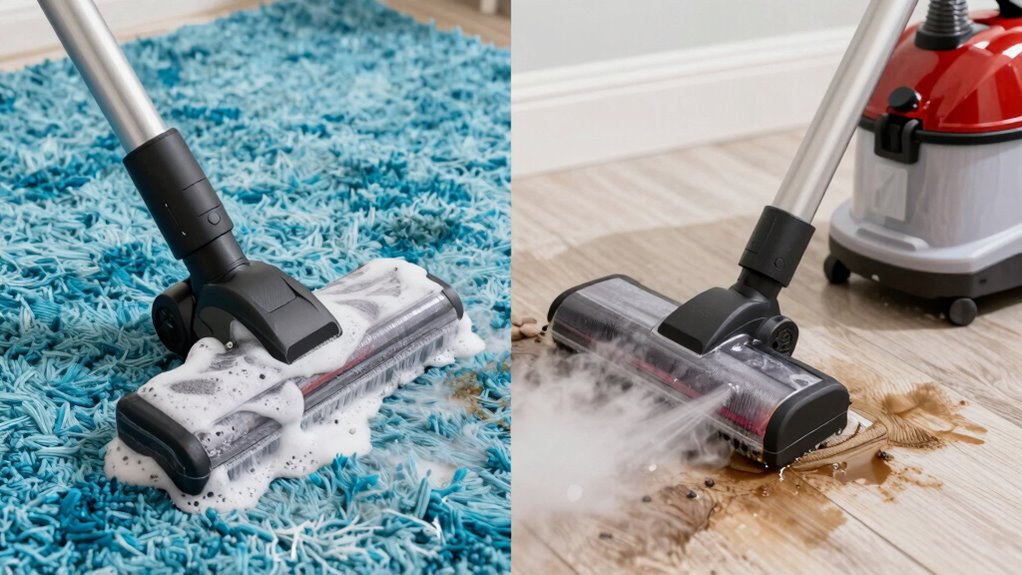
Carpet cleaners use chemical solutions, agitation, and suction to deeply remove dirt and stains, making them effective for stubborn, greasy, or older blemishes. Steam cleaners rely on high-temperature vapor to loosen grime and kill germs, working well on light or fresh stains. If you’re dealing with tough or deeply embedded stains, a carpet cleaner might be your best choice. To find out which method suits your needs best, explore the details ahead.
Key Takeaways
- Carpet cleaners use heated water and chemicals for deep stain extraction, effective on stubborn and greasy stains.
- Steam cleaners rely on high-temperature vapor to loosen grime and kill bacteria, suitable for lighter or biological stains.
- Chemical-based carpet cleaners typically remove tough stains more effectively than steam cleaning alone.
- Steam cleaning is eco-friendly, chemical-free, but may be less effective on deep or stubborn stains.
- The choice depends on stain type, surface material, and whether chemical residues or environmental impact are priorities.
best carpet cleaner for stubborn stains
As an affiliate, we earn on qualifying purchases.
As an affiliate, we earn on qualifying purchases.
Which Carpet Cleaning Method Is Right for Your Stains?
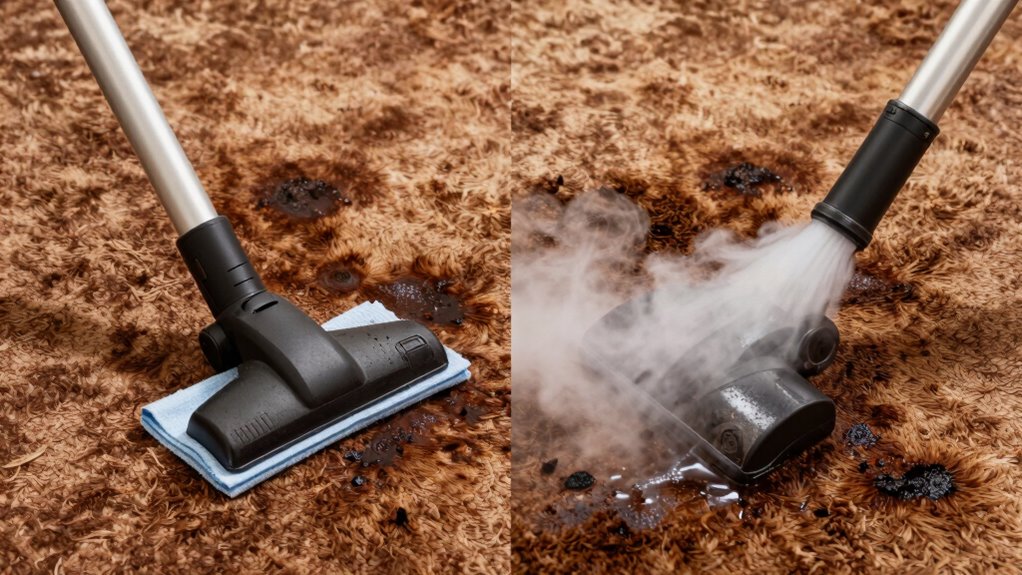
Choosing the right carpet cleaning method depends on the type of stain you’re dealing with. Different stains require different approaches because chemical reactions determine how effectively a cleaner breaks down and lifts the stain. For example, protein-based stains like blood or food may need enzymatic cleaners that trigger specific chemical reactions to dissolve organic matter. It’s also crucial to prioritize cleaning safety by selecting products that are safe for your family and pets, avoiding harsh chemicals that could cause health issues. Always read labels carefully to understand the active ingredients and recommended use. Properly matching your stain with the right cleaning method not only enhances stain removal but also guarantees your safety during the process. Understanding cleaning agent chemistry can help you choose the most effective treatment for stubborn stains. This tailored approach helps you achieve cleaner carpets without risking damage or health hazards. Additionally, being aware of safe cleaning practices ensures you minimize health risks during the cleaning process. Recognizing the importance of attention to detail in selecting cleaning methods can further improve your results. Incorporating knowledge about stain identification can also guide you toward the most suitable cleaning technique for each specific spill.
As an affiliate, we earn on qualifying purchases.
How Do Carpet Cleaners and Steam Cleaners Work?
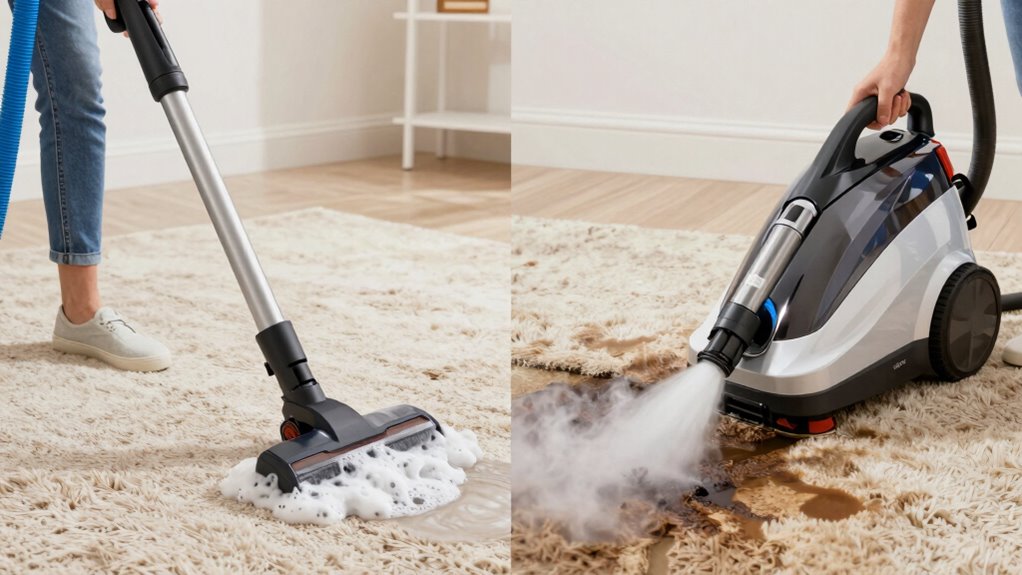
Carpet cleaners and steam cleaners use different methods to remove dirt and stains. Carpet cleaners typically rely on cleaning solutions and agitation, while steam cleaners use heat and pressure to loosen grime. Understanding how these mechanisms work helps you choose the right tool for your cleaning needs. Additionally, knowing the maintenance routines for each device can extend their lifespan and ensure optimal performance.
Cleaning Mechanisms Explained
Understanding how carpet and steam cleaners work is key to choosing the right tool for your cleaning needs. Carpet cleaners typically use a combination of water, cleaning solutions, and suction to lift dirt and stains from fibers. Some models offer eco-friendly options, using natural or biodegradable solutions to reduce chemical impact. Steam cleaners, on the other hand, generate high-temperature steam to loosen grime, bacteria, and stains without harsh chemicals. They rely on pressure and heat to sanitize surfaces efficiently. If you prefer DIY solutions, steam cleaners can be a great eco-friendly choice, as they often require only water. Additionally, ventilation during and after cleaning helps prevent moisture buildup and mold growth. Proper drying techniques are also essential to avoid residual dampness that can lead to mold or odors. Both methods use different mechanisms—carpet cleaners focus on deep extraction, while steam cleaners rely on heat and pressure to clean and disinfect. The effectiveness of each method can also depend on the type of stain, making it important to understand the specific cleaning requirements. For optimal results, consider cleaning technique and the specific stain types you are dealing with. Furthermore, understanding the types of surfaces being cleaned can influence which method is more suitable for your needs.
Heating and Pressure Roles
Both carpet and steam cleaners rely heavily on heating and pressure to remove dirt and bacteria effectively. Heating efficiency is vital because higher temperatures loosen stains and kill germs more effectively. Steam cleaners generate superheated steam that penetrates deep into fibers, breaking down grime and killing bacteria on contact. Carpet cleaners, on the other hand, use heated water and cleaning solutions to loosen dirt before extraction. The pressure impact also plays a key role; higher pressure helps push cleaning agents deeper into fibers, ensuring thorough cleaning. It also aids in extracting dirt and moisture from the carpet or surface. Additionally, technology advancements have enhanced the effectiveness of these cleaning methods, making them more efficient and easier to use. Modern heating elements are designed to reach optimal temperatures quickly, further improving cleaning outcomes. For example, temperature control systems allow for precise adjustments to optimize cleaning performance. The energy efficiency of modern machines also contributes to their overall effectiveness and sustainability. Furthermore, pressure regulation systems help maintain consistent force during cleaning, ensuring uniform results across different surfaces. Together, heating and pressure work synergistically to improve cleaning performance, making these tools more effective at removing stubborn stains and ensuring a hygienic result.
Surface Contact Techniques
Surface contact techniques are essential for effectively removing dirt and grime from carpets and surfaces. Carpet cleaners typically use brushes, agitators, or spinning pads to loosen debris and pet hair, making it easier to extract. Steam cleaners rely on high-temperature vapor that penetrates deep into fibers, loosening allergens and pet hair for easier removal. Both methods improve allergen reduction by dislodging particles trapped in fibers, which can trigger allergies. Carpet cleaners often combine agitation with suction to lift dirt, while steam cleaners use the heat and moisture to break down stains and allergens. Proper surface contact guarantees thorough cleaning, whether by physically scrubbing or vaporizing debris and pet hair, leading to cleaner carpets and healthier indoor air quality. Additionally, understanding the surface contact techniques helps optimize cleaning efficiency and prolong the lifespan of your carpets. Employing the correct cleaning methods can also prevent fiber damage and maintain the integrity of your carpet fibers over time. Using appropriate cleaning tools ensures that the fibers are not only cleaned effectively but also preserved for long-term durability. For optimal results, selecting the right tools and techniques based on fiber type is crucial to prevent damage and ensure thorough cleaning.
enzymatic stain remover for carpets
As an affiliate, we earn on qualifying purchases.
As an affiliate, we earn on qualifying purchases.
What Factors Should Influence Your Choice of Cleaner?

When choosing between a carpet cleaner and a steam cleaner, consider your surface type to verify compatibility. Think about the severity and type of stains you need to remove, as different cleaners work better for specific issues. Additionally, understanding the auditory processing aspects of cleaning tools can help you select options that minimize noise and sensory overload, especially if you or your household members are sensitive to sound. Being aware of noise levels and how they affect your environment can improve overall satisfaction with your cleaning choices. Moreover, assessing the cleaning effectiveness of each device can ensure you select a solution that truly addresses your stain removal needs without unnecessary expense. Recognizing the impact of environmental factors on cleaning results can also guide your selection toward greener and more sustainable options.
Surface Type Compatibility
Choosing the right cleaner depends largely on the type of surface you’re treating, as not all cleaning methods suit every material. Some surfaces, like delicate fabrics, can be damaged by harsh chemicals or high heat, while sturdier materials can handle more aggressive cleaning. Consider fabric fibers and how they react to different cleaners; steam cleaners often cause fewer chemical reactions, reducing risk to delicate textiles. Use this table for guidance:
| Surface Type | Suitable Cleaning Method |
|---|---|
| Delicate fabrics | Steam cleaner (gentle, no chemicals) |
| Carpets & upholstery | Carpet cleaner (removes deep stains) |
| Hardwood surfaces | Light steam or specialized cleaners |
Matching your cleaner to the surface ensures effective stain removal without damage.
Stain Severity and Type
The severity and type of a stain should heavily influence your choice of cleaner, as different stains respond better to specific treatments. For example:
- Light, fresh stains often respond well to steam cleaning, which uses heat to trigger chemical reactions that lift stains without affecting stain color.
- Deep or stubborn stains, like pet urine or grease, may require a carpet cleaner with strong chemical agents to break down the stain’s chemical bonds.
- Stains with bright or vivid stain colors might need specialized solutions to prevent color bleeding or fading.
- Consider the stain’s origin—biological stains may need enzymatic cleaners, while chemical spills might demand specific neutralizers. Matching the cleaner to the stain type guarantees effective removal and prevents damage.
Budget and Cost Efficiency
Budget and cost efficiency should be key factors influencing your choice of cleaner, as cleaning methods and products vary considerably in price and effectiveness. Start with a thorough cost comparison between carpet and steam cleaners, considering upfront costs, maintenance, and ongoing expenses. For example, carpet cleaners often have lower initial prices but may require replacement parts or cleaning solutions over time, impacting your budget. Steam cleaners tend to be more expensive initially but can save money long-term by eliminating the need for chemical solutions. Your budget considerations should also include how frequently you’ll use the device and the types of stains you encounter. Balancing these factors helps ensure you select a cleaner that delivers the best stain removal without overspending.
eco-friendly steam carpet cleaner
As an affiliate, we earn on qualifying purchases.
As an affiliate, we earn on qualifying purchases.
Which Tool Is Better at Removing Different Types of Stains?
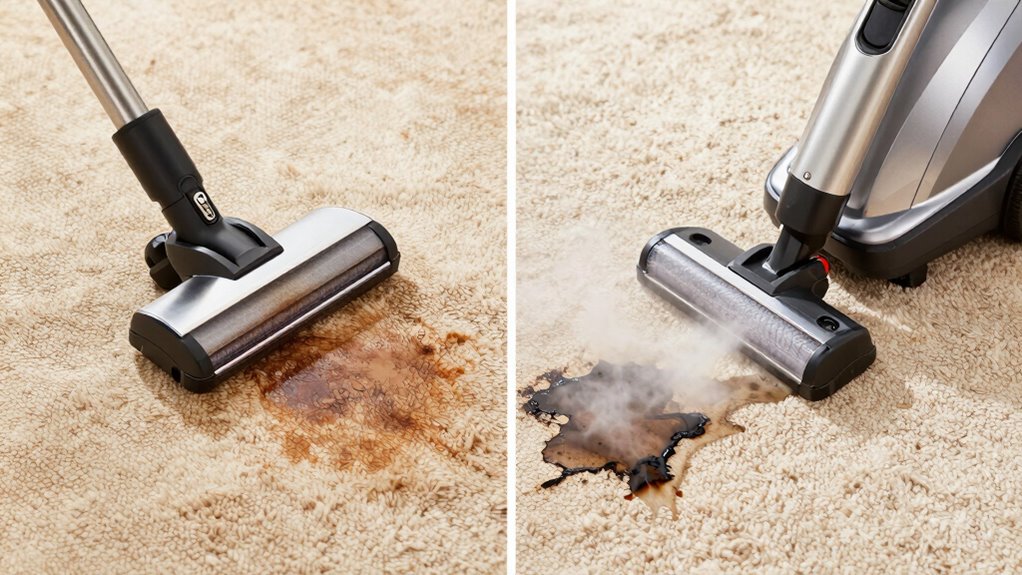
When it comes to tackling different types of stains, understanding how carpet and steam cleaners perform is essential. Carpet cleaners excel at removing oily or protein-based stains because their cleaning solutions create chemical reactions that break down residues. Steam cleaners are better for organic stains like pet urine or food spills, as their heat and moisture loosen particles. Consider these points:
- Oil-based stains: Carpet cleaners with strong detergents work best due to chemical reactions that dissolve oils.
- Organic stains: Steam cleaners effectively break down organic matter with high heat.
- Frequency: Regular cleaning with either tool prevents stains from setting, but overuse can reduce effectiveness.
- Type of stain: For stubborn stains, combining methods might be necessary to achieve ideal results.
Knowing these differences helps you choose the right tool based on stain type and cleaning frequency.
What Are the Pros and Cons of Each Cleaning Method?
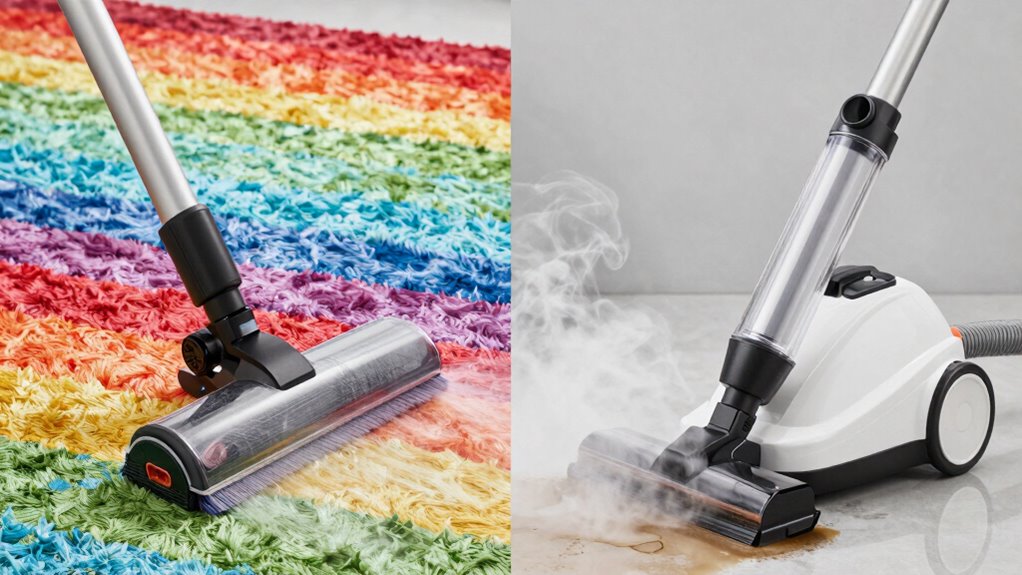
Carpet cleaners and steam cleaners each have distinct advantages and disadvantages, so understanding these can help you decide which method suits your needs best. Carpet cleaners typically use chemical solutions to break down dirt and stains, making them effective for deep cleaning. However, these chemicals can have a higher environmental impact and may leave residues if not rinsed properly. Steam cleaners, on the other hand, rely on high-temperature steam, eliminating the need for chemicals and reducing environmental concerns. The downside is that steam cleaners might not handle stubborn stains as effectively as chemical-based cleaners. Additionally, steam cleaning can take longer to dry and may require more effort to achieve a thorough clean. Weighing these pros and cons helps you choose the best option for your specific cleaning priorities.
How Can You Maximize Stain Removal With Your Cleaner?
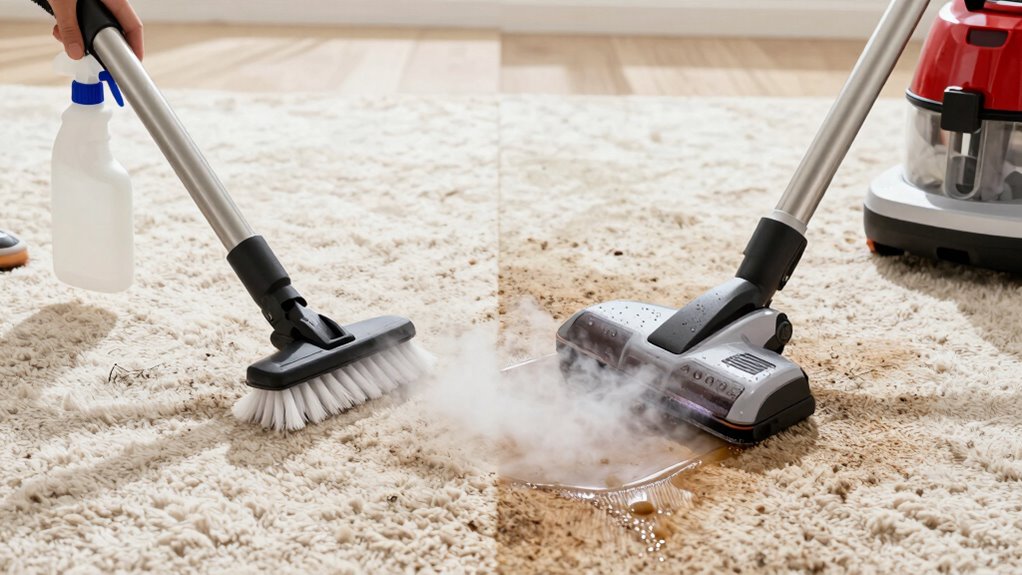
To maximize stain removal with your cleaner, it’s essential to prepare the area properly and select effective cleaning products. First, identify the stain type to determine whether gentle or abrasive techniques are needed. Second, pre-treat stubborn spots with suitable chemical agents, allowing them to sit for a few minutes. Third, use abrasive techniques carefully—such as scrubbing with a soft brush—to loosen deep-seated dirt without damaging fibers. Fourth, follow up with your cleaner’s recommended cleaning method, whether it’s a carpet or steam cleaner, to ensure thorough removal. Remember, overusing abrasive techniques or harsh chemical agents can damage your carpet, so always test in a small area first. Proper preparation and choosing the right approach will guarantee your stain removal results.
Final Verdict: Which Cleaner Is Best for Tough Stains?

Choosing the right cleaner for tough stains depends on the stain type and your carpet’s material. For pet stains, a carpet cleaner with strong enzymatic formulas works best to break down proteins and eliminate odors effectively. Steam cleaners excel at deep cleaning and odor elimination without chemicals, making them ideal for sensitive carpets. However, for stubborn pet stains that leave odors, a carpet cleaner with targeted stain removal capabilities can deliver faster results. If you’re dealing with persistent odors alongside stains, combining both methods might be your best bet. Ultimately, if your priority is removing tough pet stains and erasing odors, a high-quality carpet cleaner designed for stain and odor removal usually outperforms a steam cleaner. Choose based on your specific needs for the best results.
Frequently Asked Questions
Can Carpet Cleaners and Steam Cleaners Be Used Together?
Yes, you can use carpet cleaners and steam cleaners together for combination cleaning. This dual methods approach lets you tackle stains with a carpet cleaner first, then use a steam cleaner to sanitize and remove remaining dirt. Just make sure your carpet is suitable for both methods, and allow it to dry completely between steps. Using both tools can give your carpet a deeper, more thorough clean.
Are There Specific Stains That Only One Method Can Remove?
Some stains respond better to specific methods; for example, grease stains often require chemical reliance for effective removal, while deep-seated pet odors may need steam cleaning to break down odors. Studies show that stain-specific removal varies widely, making it essential to choose the right method. You’ll find that certain stains, like red wine, might need special treatments, so understanding these differences helps you get your carpet spotless efficiently.
How Long Does Each Cleaning Method Typically Take to Dry?
Drying time varies with each cleaning method. With a carpet cleaner, expect about 1 to 6 hours for complete moisture removal, depending on carpet thickness and airflow. Steam cleaning generally dries faster, often in 1 to 4 hours, since it uses less water. To speed up drying, increase ventilation and use fans. Keep in mind, thicker carpets may take longer to fully dry regardless of the method used.
Are There Safety Concerns With Using Chemical-Based Carpet Cleaners?
Using chemical-based carpet cleaners can raise safety concerns because of potential chemical toxicity. You should always read labels carefully and guarantee proper ventilation during use. Handling these cleaners improperly can pose risks to your health, especially if you have allergies or sensitivities. To protect user safety, consider opting for eco-friendly or natural cleaning options whenever possible, and keep chemicals out of reach of children and pets.
How Often Should I Deep Clean My Carpets for Optimal Stain Removal?
You should deep clean your carpets every 12 to 18 months to maintain ideal stain removal and overall carpet health. Regular cleaning helps with carpet maintenance by preventing dirt and stains from settling in deeply. If you have pets or high foot traffic, consider increasing cleaning frequency to 6 to 12 months. Consistent deep cleaning keeps your carpets looking fresh, extends their lifespan, and guarantees a healthier living environment.
Conclusion
Ultimately, choosing between a carpet cleaner and a steam cleaner is like picking the right tool for a tricky job. If you face stubborn stains, a carpet cleaner often dives in with powerful solutions. For lighter, everyday messes, steam cleaning can be your go-to. Think of it as a battle of brawn versus gentle touch. Whichever you choose, with the right approach, you’ll keep your carpets looking fresh and inviting, like a breath of spring in your home.