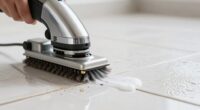
You should avoid using a steam mop on porous or sensitive floors like unsealed wood, soft tiles, natural stone, and certain vinyl or linoleum. Steam can cause moisture absorption, warping, staining, or damage these surfaces. Hardwood and engineered wood are especially vulnerable to warping and swelling from excess moisture. To protect your floors, stick to gentle cleaning methods and explore more tips below to keep your floors safe and spotless.

Get home appliances delivered free with Prime
- Fast, free delivery on millions of items
- Prime Video, Amazon Music and more included
- Member-only deals all year
Key Takeaways
- Avoid using steam mops on unsealed or porous floors like natural stone, concrete, or unsealed wood.
- Do not steam clean soft or sensitive floors such as vinyl, linoleum, or certain tile types prone to damage.
- Hardwood and engineered wood can warp or swell from moisture and heat exposure.
- Porous surfaces may absorb moisture, leading to staining, warping, or deterioration.
- Always check manufacturer guidelines; when in doubt, opt for dry or gentle cleaning methods.
best steam mop for sealed tile floors
As an affiliate, we earn on qualifying purchases.
As an affiliate, we earn on qualifying purchases.
How to Identify Your Floor Type and Know If You Can Use a Steam Mop

Before using a steam mop, it’s important to identify your floor type to guarantee you’re using the right cleaning method. Different floors require varying cleaning frequencies, so knowing your surface helps prevent damage and maintains appearance. For example, hard, sealed surfaces like tile or vinyl can typically handle regular steam cleaning, but unsealed wood or soft floors may not. To determine if your floor is suitable, check the manufacturer’s guidelines or test a small area first. Proper steam mop maintenance, like regular descaling and cleaning, ensures ideal performance and safety. Additionally, understanding the differences in floor types can help you choose the most effective cleaning method. Recognizing the characteristics of your floor surface can further assist in selecting appropriate cleaning techniques. By understanding your floor type and sticking to recommended cleaning frequencies, you’ll keep your floors clean without risking damage. Always verify if steam cleaning is appropriate for your specific surface before proceeding. Being aware of proper cleaning techniques can also help extend the lifespan of your floors and prevent costly repairs. Knowing how to identify floor surface materials is essential for selecting the safest cleaning options.
gentle cleaning mop for hardwood floors
As an affiliate, we earn on qualifying purchases.
As an affiliate, we earn on qualifying purchases.
Which Floors Are Too Porous or Sensitive for Steam Cleaning
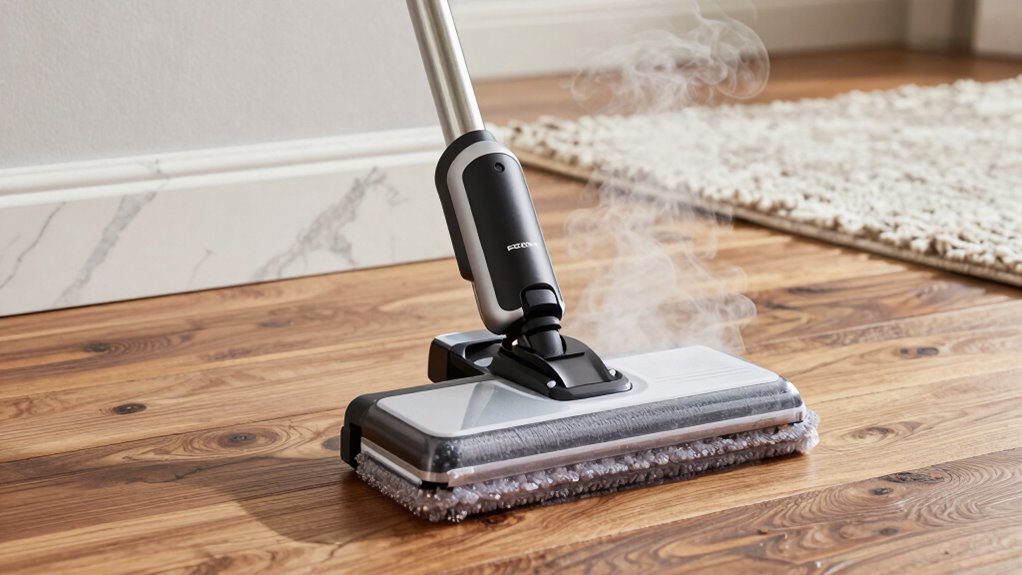
Not all floors can withstand the power of steam cleaning, especially those that are porous or sensitive. Porous surfaces, like unsealed stone, concrete, or natural fiber carpets, absorb moisture easily, making steam cleaning risky. Understanding porous surfaces can help you assess whether your floors are vulnerable to moisture damage. Sensitive materials such as soft or delicate tiles, certain vinyl, or linoleum can also be damaged by high heat and moisture. Steam can cause warping, staining, or deterioration over time. If your floor is porous or made from sensitive materials, it’s best to avoid steam mops altogether. Instead, opt for dry cleaning methods or gentle, non-moisture-based cleaning techniques. Protecting your floors from unnecessary moisture guarantees they stay in good condition and prevents costly damage down the line. Additionally, understanding the material composition of your floors can help determine their suitability for steam cleaning. Being aware of porous or sensitive surfaces can help you make informed cleaning decisions and extend the lifespan of your flooring. Recognizing floor material properties can also guide you toward more effective and safe cleaning methods.
steam mop for vinyl and linoleum surfaces
As an affiliate, we earn on qualifying purchases.
As an affiliate, we earn on qualifying purchases.
Why You Should Avoid Steam Mops on Hardwood and Engineered Wood Floors
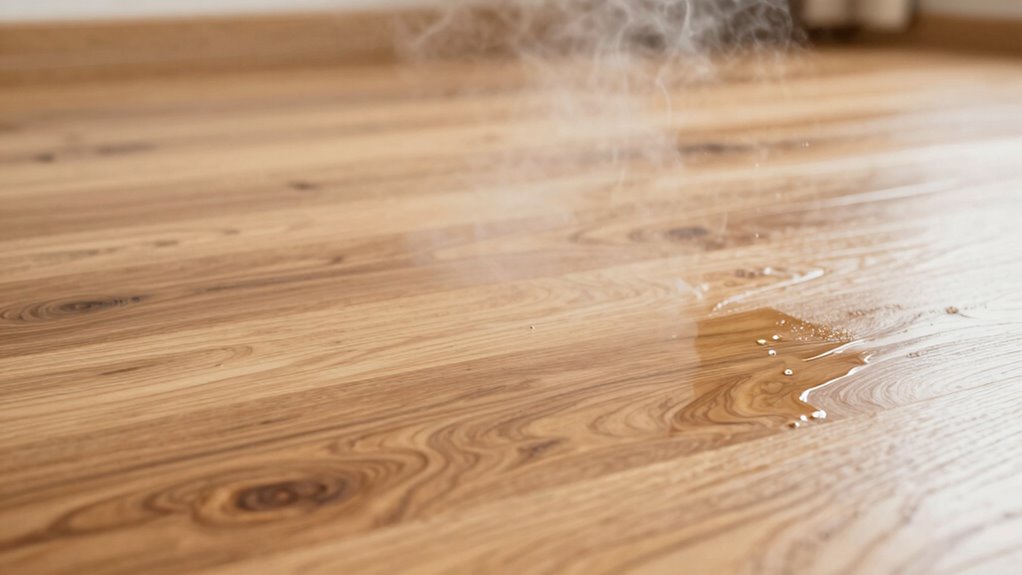
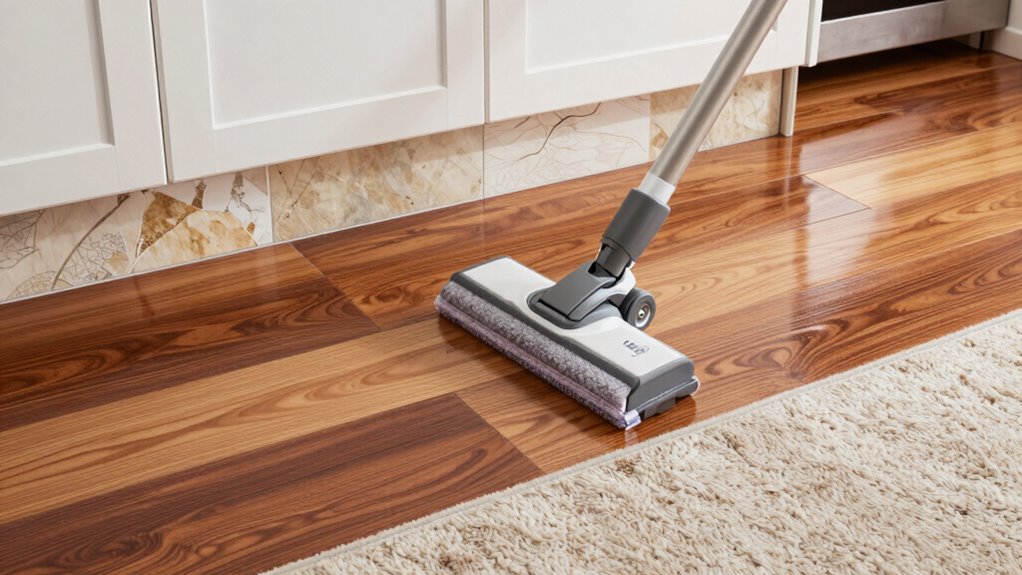
Hardwood and engineered wood floors are especially vulnerable to damage from steam mops because the intense heat and moisture can cause the wood to expand, warp, or swell over time. This makes steam mop safety a major concern since using one on these surfaces can compromise their integrity. Water penetration weakens the adhesive bonds in engineered wood and can lead to cupping or buckling. To maintain your floors’ appearance and longevity, it’s best to avoid steam cleaning altogether. Instead, follow proper floor maintenance tips like using a damp mop with a gentle cleaner and avoiding excessive moisture. This approach helps preserve the finish and structural stability of hardwood and engineered wood, preventing costly repairs and ensuring your floors stay beautiful for years. Additionally, understanding the importance of indoor air quality and humidity control can help prevent issues like warping caused by environmental fluctuations. Maintaining optimal humidity levels reduces the risk of wood floor damage and extends the lifespan of your flooring. Regularly monitoring indoor climate conditions and controlling humidity not only protects your floors but also improves overall indoor air quality, creating a healthier living environment.
floor cleaning tools for porous surfaces
As an affiliate, we earn on qualifying purchases.
As an affiliate, we earn on qualifying purchases.
Floors Like Laminate, Vinyl, and Certain Tiles That Can Be Damaged by Steam

Floors like laminate, vinyl, and certain tiles can be easily damaged by steam cleaning because the intense heat and moisture can cause warping, bubbling, or discoloration. To maintain mop safety, it’s essential to avoid using steam mops on these surfaces. The high temperature can weaken adhesives and warp the materials, leading to costly repairs. When cleaning these floors, you should follow specific cleaning precautions, such as using a damp mop instead of a steam cleaner. Always check your floor manufacturer’s guidelines to prevent damage. If you’re unsure, opt for gentle cleaning methods that don’t expose your floors to excessive heat or moisture. Taking these steps helps preserve your floors’ appearance and longevity while ensuring safe cleaning practices. Additionally, understanding temperature regulation can help you choose appropriate cleaning methods that protect your flooring from thermal damage. Being aware of material sensitivities is essential to prevent inadvertent damage when selecting cleaning tools and techniques.
Safe Alternatives and Tips for Cleaning Sensitive Floor Types
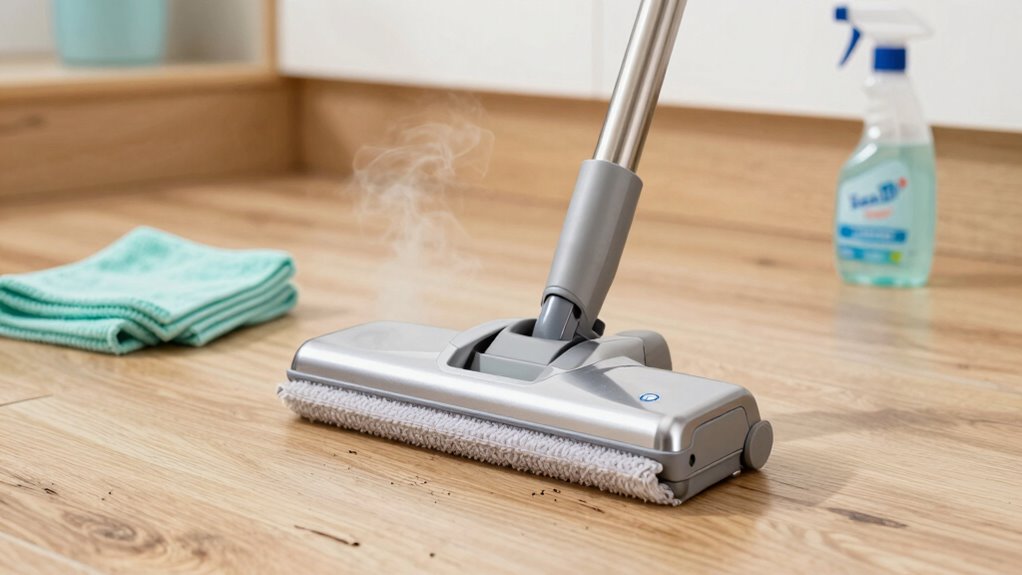
When cleaning surfaces vulnerable to heat and moisture damage, it’s best to choose gentle alternatives over steam mops. Steam mop safety is a concern with delicate floors like hardwood, cork, or certain tiles. Instead, opt for alternative cleaning methods such as damp mopping with a microfiber cloth or using a soft-bristled broom to remove debris. For sticky spots, a mixture of water and a mild detergent works well. Regular sweeping and dry mopping help prevent dirt buildup without risking moisture damage. Consider using vetted vacuum options for versatile cleaning, especially on areas where moisture could cause harm. Avoid harsh chemicals that can harm sensitive surfaces. Always test a small area first to ensure no adverse effects. Incorporating the right floor types knowledge can help you select the best cleaning method for your floors. Using the correct techniques for different floor materials helps maintain their appearance and durability over time. Additionally, understanding proper cleaning tools can improve your maintenance routine and extend the life of your floors. Being aware of water damage risks can guide you in choosing safer cleaning practices for vulnerable floors. These gentle cleaning tips help preserve your floors’ integrity while keeping them clean without exposing them to unnecessary heat or moisture.
Frequently Asked Questions
Can Steam Mops Be Used on Sealed Hardwood Floors?
Yes, you can use a steam mop on sealed hardwood floors, but you should be cautious. Avoid harsh chemicals, as they can damage the finish, and always make sure the steam mop isn’t too hot, which might cause warping. Keep pets in mind for their safety, as excessive steam or residual moisture can harm them. Use minimal water and a gentle setting to protect your floors and keep your pets safe.
Are There Specific Steam Mop Settings for Delicate Tile Surfaces?
You get the best out of your steam mop with specific settings for delicate tile surfaces. Opt for the lowest steam output for gentle cleaning, preventing damage while maintaining tile care. Most steam mops have adjustable settings—use the gentle or low setting to protect delicate tile from excessive moisture and heat. Think of it as giving your tiles a soft touch, ensuring they stay pristine without risking cracks or discoloration.
How Often Should I Steam Clean My Vinyl Floors Safely?
You should steam clean your vinyl floors about once a month to maintain good vinyl care. Avoid overdoing it, as frequent steam cleaning can weaken the adhesive and cause damage. Always check your steam mop’s settings to verify it’s safe for vinyl surfaces, and use the lowest steam level. Regularly vacuum or sweep beforehand, and keep the mop moving to prevent excessive moisture and potential warping.
What Are the Signs My Floor Is Being Damaged by Steam?
You notice your floor warping or the color fading unexpectedly? Those are clear signs your floor is suffering damage from steam. The excess heat and moisture can weaken the material, causing warping, and fade the color over time. If you see these changes, it’s a sign to stop steaming immediately. Protect your floors by avoiding steam cleaning on sensitive surfaces, and opt for gentler cleaning methods instead.
Can Steam Cleaning Improve the Longevity of Sensitive Flooring?
Steam cleaning can enhance the longevity of sensitive flooring if you maintain your steam mop properly and follow consistent floor cleaning schedules. Regular steam mop maintenance guarantees the device operates safely and effectively, reducing the risk of damage. By using steam cleaning appropriately on suitable surfaces, you help protect your floors from wear and moisture damage, ultimately extending their lifespan and keeping them looking their best.
Conclusion
Think of your floors as delicate gardens—you wouldn’t water fragile flowers with a powerful hose. Steam mops are like that hose, great for hardy plants but risky for vulnerable blooms. Knowing which floors can handle steam keeps your home flourishing. By choosing the right cleaning method, you’re tending to your home’s beauty and longevity, ensuring each surface remains vibrant and intact—because your floor’s health depends on understanding its unique needs, just like tending a careful garden.
NFL season / tailgating Picks
team gear
As an affiliate, we earn on qualifying purchases.