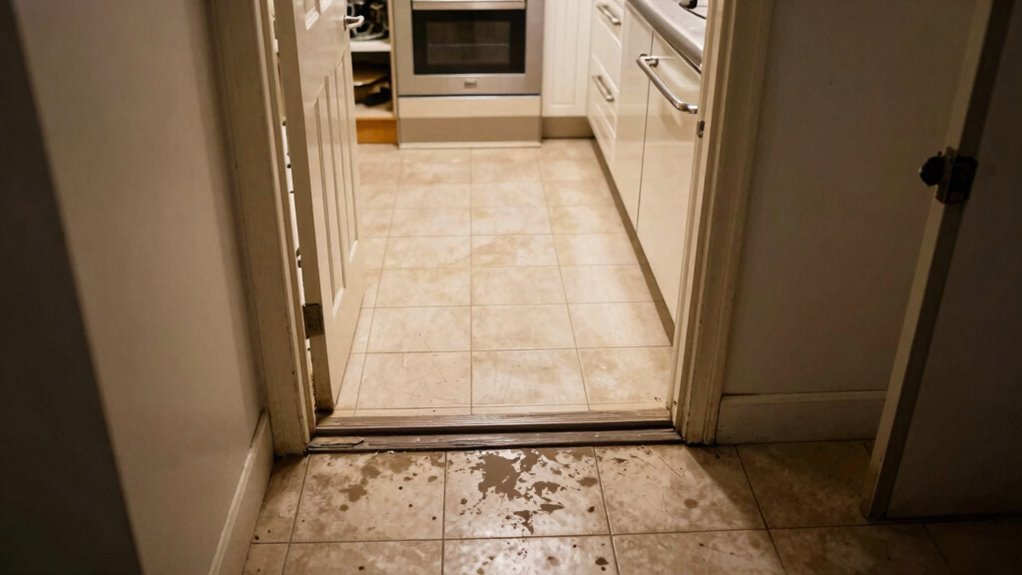
Entryways and kitchens break weak floor-care routines first because they face the most foot traffic, spills, mud, and moisture daily. These areas see constant activity, which speeds up wear and causes scratches, stains, and even warping. Dirt, debris, and seasonal moisture further damage floors if not cleaned promptly. If you keep neglecting proper maintenance, damage will quickly pile up. Keep going to discover how you can protect your floors and extend their lifespan.

Get home appliances delivered free with Prime
- Fast, free delivery on millions of items
- Prime Video, Amazon Music and more included
- Member-only deals all year
Key Takeaways
- High foot traffic and activity levels cause rapid wear and tear, making routine cleaning less effective.
- Exposure to dirt, moisture, and debris accelerates damage if floors aren’t cleaned promptly.
- Hard-to-maintain materials like hardwood and laminate are more vulnerable to neglect in busy spaces.
- Seasonal weather changes increase stress on floors, leading to faster deterioration without regular care.
- The frequent spills and impacts in entryways and kitchens make routine maintenance harder to sustain.
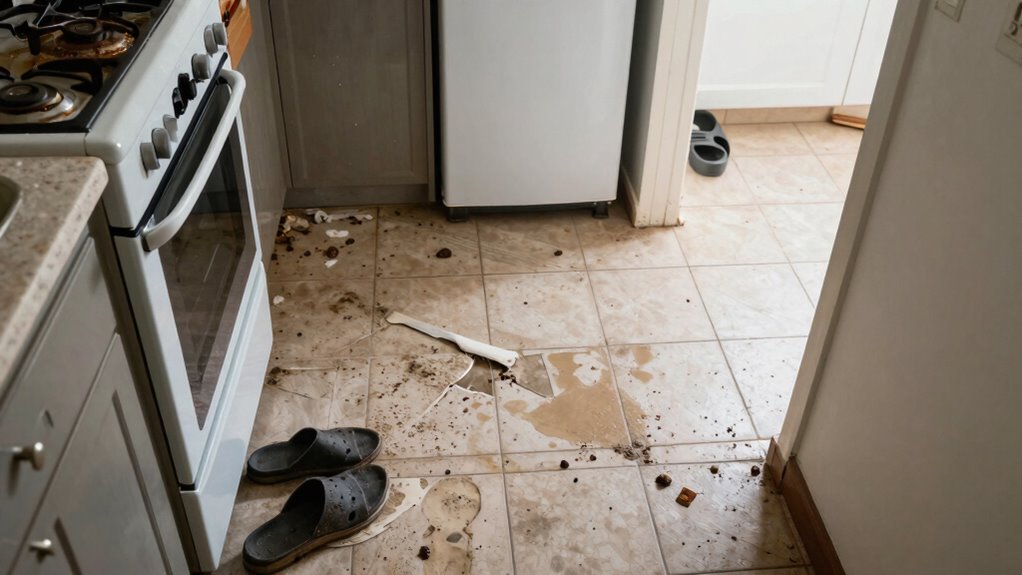
Entryways and kitchens tend to become the busiest spots in your home, experiencing constant foot traffic and activity. These areas see a lot of foot traffic daily, making them prime candidates for wear and tear on your flooring. Because they handle so much activity, it’s easy for your floor-care routines to slip, especially when life gets hectic. That’s why these spaces often break your routine first, revealing the significance of understanding how seasonal maintenance and flooring materials influence their durability.
Entryways and kitchens are exposed to more dirt, moisture, and debris than other parts of your home. Shoes, muddy paws, spilled drinks, and dropped food all contribute to faster wear if not addressed promptly. Over time, this increases the likelihood of scratches, stains, and even warping in certain flooring materials. When you’re busy, it’s tempting to neglect regular cleaning, which compounds the problem. Seasonal maintenance becomes vital here, as different weather conditions—like winter snow or summer humidity—bring specific challenges. For example, winter salt and snow can cause damage if not cleaned properly, while summer humidity might lead to swelling in wood floors or promote mold in certain materials. Regularly adjusting your maintenance routine based on the season helps protect your floors from these issues.
Seasonal changes require tailored cleaning to protect entryway and kitchen floors from dirt, moisture, and damage.
Your choice of flooring materials then plays a significant role in how quickly these areas show signs of wear. Hard surfaces like tile and vinyl tend to withstand dirt and moisture better, making them easier to maintain during busy seasons. Meanwhile, softer flooring options like hardwood or laminate may require more frequent care and attention, especially in high-traffic zones. Knowing the strengths and weaknesses of your flooring material allows you to develop a more effective routine. For instance, with hardwood, you might need to refinish or reseal more often, particularly if you neglect seasonal maintenance. Conversely, tile floors are generally more resistant but can crack if heavy objects are dropped or if grout isn’t cleaned regularly. Incorporating proper maintenance techniques can extend the lifespan of your floors significantly. Additionally, understanding the impact of seasonal changes on flooring durability can help you tailor your care routines more effectively, ensuring greater longevity. Recognizing how seasonal weather patterns influence flooring wear and tear can help you plan preventive measures in advance.
Incorporating seasonal maintenance practices not only preserves the appearance of your floors but also ensures their structural integrity over time. In essence, entryways and kitchens break your fragile floor-care routines first because they endure the most stress and exposure. To keep them in top shape, you need to adapt your seasonal maintenance practices and understand your flooring materials’ specific needs. This way, you’ll prevent minor issues from turning into costly repairs and maintain a cleaner, more durable surface that stands up to everyday chaos. Recognizing these factors helps you stay ahead of wear and tear, ensuring your floors look good and last longer despite the busy demands of these essential spaces.
A proactive approach to floor protection can significantly reduce the frequency of repairs and replacements, saving you money in the long run.
As an affiliate, we earn on qualifying purchases.
Frequently Asked Questions
How Often Should I Clean My Entryway and Kitchen Floors?
You should clean your entryway and kitchen floors at least twice a week to maintain good entryway maintenance and keep your space hygienic. Regular sweeping or vacuuming removes dirt and debris, while mopping with suitable cleaning solutions tackles stains and grime. Incorporate these kitchen cleaning tips into your routine, and you’ll prevent buildup, preserve your floors, and keep your home looking fresh and inviting. Consistency is key for effective floor care.
What Are the Best Cleaning Products for High-Traffic Areas?
Think of your floors like busy highways; they need durable cleaning products. For high-traffic areas, use eco-friendly solutions like vinegar and baking soda or commercial cleaners labeled for heavy-duty use. DIY cleaning tips include mixing water with a few drops of eco-friendly dish soap. These products cut through dirt without harsh chemicals, making your floors shine and stay protected longer. Always follow product instructions for the best results.
How Can I Prevent Dirt Buildup in Entryways and Kitchens?
To prevent dirt buildup in entryways and kitchens, focus on consistent entrance maintenance and good kitchen hygiene. Regularly sweep and mop floors, especially after messy activities, and use doormats to trap dirt before it spreads. Wipe down surfaces daily, and train everyone to clean up spills immediately. These habits keep dirt from accumulating, maintaining a tidy space and extending your flooring’s lifespan.
Are There Specific Flooring Types That Resist Damage Better?
Did you know that porcelain tiles are among the most durable flooring options? When comparing durability, porcelain and stone materials like granite or slate offer excellent material resistance against scratches, stains, and moisture. These options are ideal for entryways and kitchens, where wear and tear are common. Selecting high-quality, durable flooring guarantees your floors resist damage better, saving you time and money on repairs and replacements over the years.
How Do I Fix Scratches and Stains on My Floors?
To fix scratches and stains, start by using area-specific treatments tailored to your floor type. For scratches, gently buff the area with a fine steel wool or touch-up pen matching your finish. For stains, apply stain removal techniques like a mixture of baking soda and water or commercial cleaners recommended for your flooring. Always test in a small, hidden area first, and follow up with a protective finish to restore your floors’ appearance.
As an affiliate, we earn on qualifying purchases.
Conclusion
Ultimately, entryways and kitchens act like gentle reminders, revealing where your floor-care routines might be losing their sparkle. Think of them as the welcoming smiles and busy chatter in a lively home—quiet signals that some spots need extra attention. By giving these areas a little extra love, you’ll guarantee your floors stay vibrant and inviting, turning everyday wear and tear into a story of care and resilience. After all, a well-loved home is a beautiful home.
As an affiliate, we earn on qualifying purchases.
moisture-resistant tile flooring
As an affiliate, we earn on qualifying purchases.
As an affiliate, we earn on qualifying purchases.
Fall yard work Picks
leaf blowers
As an affiliate, we earn on qualifying purchases.