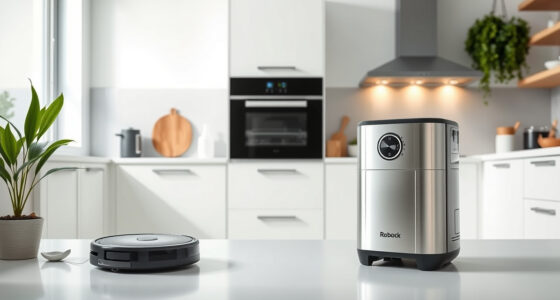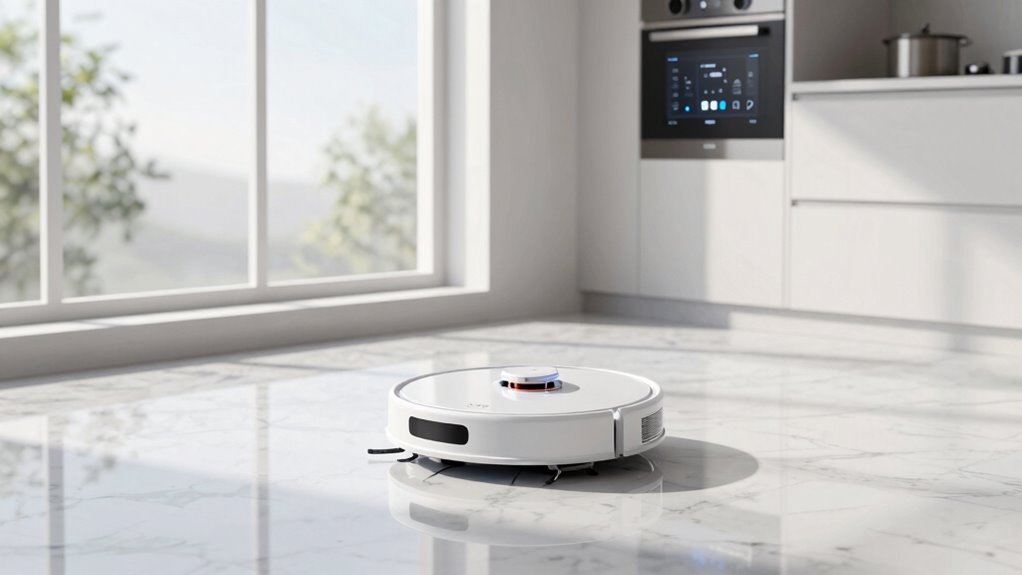

To keep your smart cleaning system from becoming high-maintenance, you should regularly perform software updates, inspect and clean sensors, filters, and brushes, and follow the manufacturer’s maintenance schedule. Creating a clean environment around the system and monitoring its performance can prevent dirt and debris from causing issues. Proper training on device operation also helps prevent user errors. If you follow these steps, you’ll maintain efficiency and minimize costly repairs—there’s more you can do to keep your system running smoothly.

Get home appliances delivered free with Prime
- Fast, free delivery on millions of items
- Prime Video, Amazon Music and more included
- Member-only deals all year
Key Takeaways
- Provide comprehensive user training to ensure proper operation and reduce user errors.
- Schedule regular software updates for bug fixes and security patches.
- Perform routine maintenance checks and cleanings based on manufacturer guidelines.
- Keep the environment free of dust and obstacles to prevent system wear and debris buildup.
- Monitor system performance and review troubleshooting resources proactively to address issues early.
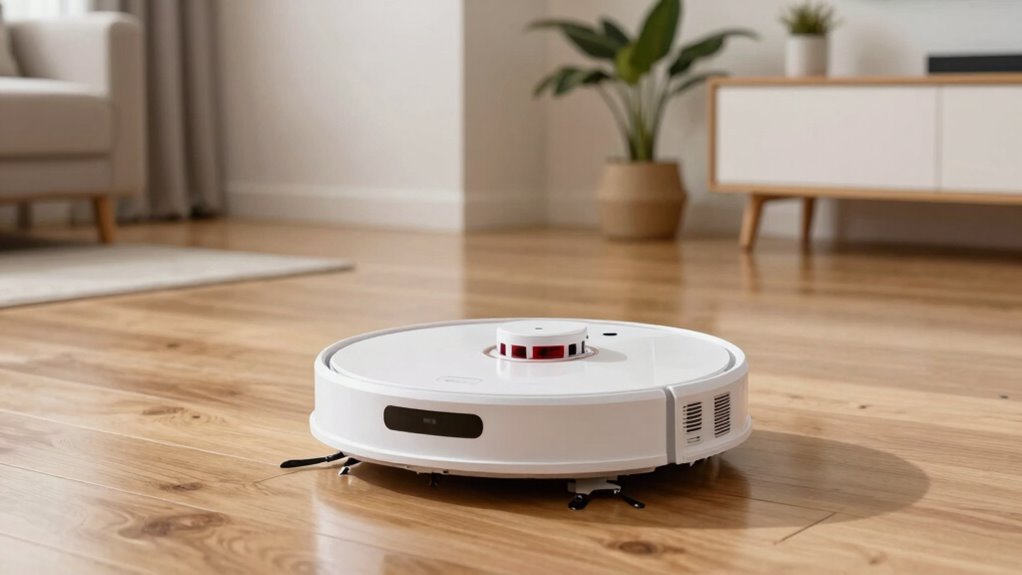
Smart cleaning systems can save you time and effort, but without proper maintenance, they can quickly become high-maintenance. To keep your system running smoothly, you need to focus on user training and regular software updates. Proper user training ensures that everyone operating the system understands how to use it effectively. When you or your staff aren’t familiar with the device’s features or troubleshooting procedures, small issues can escalate into bigger problems, leading to unnecessary breakdowns and increased downtime. Investing time in training sessions or providing clear, accessible instructions helps your team operate the system efficiently, reducing the risk of user errors that can cause mechanical or software glitches.
Proper training minimizes errors, prevents breakdowns, and keeps your smart cleaning system running smoothly.
At the same time, staying on top of software updates is vital for maintaining system performance and security. Manufacturers often release updates to fix bugs, improve functionality, and patch vulnerabilities. Ignoring these updates leaves your system exposed to potential issues that could compromise its efficiency or even cause it to malfunction. Set a routine schedule for checking and installing updates, and ensure that your team knows how to perform these updates correctly. Automating this process—if your system allows—can save you time and guarantee your system benefits from the latest improvements without delay. Regularly reviewing software update procedures can also help ensure your system remains up-to-date and secure.
Beyond user training and software updates, regular maintenance checks are essential. Keep an eye on sensors, brushes, filters, and other consumables, replacing or cleaning them as needed. Neglecting these tasks can cause a buildup of dirt or debris, leading to poor cleaning performance or damage to the system. Establish a maintenance schedule based on the manufacturer’s recommendations and your system’s usage levels. Document your routines so that everyone knows when and what to check, fostering a proactive approach rather than waiting for issues to arise. Regularly reviewing system troubleshooting tips and best practices can prevent small problems from escalating into costly repairs. Additionally, keeping your environment clean—free of excessive dust or obstacles—can reduce wear and tear on the system, extending its lifespan and minimizing service calls. Implementing routines for preventive maintenance ensures long-term efficiency and reliability. Staying informed about system performance checks can further help you identify potential issues early, avoiding unnecessary downtime.
Frequently Asked Questions
How Do Smart Cleaning Systems Impact Energy Consumption?
Smart cleaning systems improve energy efficiency by adapting their operation to your usage patterns, reducing unnecessary power consumption. They analyze consumption patterns to optimize cleaning schedules, ensuring they only run when needed. This targeted approach minimizes energy waste, helping you save on utility costs. By intelligently adjusting their activity based on real-time data, these systems promote more sustainable energy consumption while maintaining effective cleaning performance.
Are Smart Cleaning Systems Compatible With All Home Types?
Think of smart cleaning systems as adaptable chameleons—they fit into various home types with ease. They’re compatible through smart home integration features, which allow seamless control regardless of your house’s layout. Plus, you can customize cleaning schedules to suit your lifestyle, making them versatile tools for any home. Whether you live in a small apartment or a large house, these systems can be tailored to meet your specific needs effortlessly.
What Are the Common Signs of System Malfunction?
You’ll notice system malfunctions when the sensor calibration drifts, causing the cleaner to miss spots or bump into objects. Also, pay attention to your user interface—if it freezes, shows error messages, or becomes unresponsive, something’s wrong. These signs indicate the system isn’t functioning properly. Regularly check sensor calibration and keep your software updated to prevent issues, ensuring your smart cleaning system runs smoothly and efficiently.
How Often Should Software Updates Be Performed?
Think of software updates as the heartbeat of your smart cleaning system—you need to keep it steady. You should perform updates as soon as they’re available, ideally monthly, to guarantee peak performance. Regularly schedule manual calibration and provide user training to prevent issues. Staying proactive with updates and proper training keeps your system running smoothly and minimizes high-maintenance surprises, making your cleaning process effortless and efficient.
Can Smart Cleaning Systems Operate During Power Outages?
Smart cleaning systems generally can’t operate during power outages unless you’ve added a battery backup. This backup supplies power so the system keeps running smoothly. Additionally, many systems feature a manual override, allowing you to control the device manually if power is lost. To guarantee uninterrupted operation, consider installing a battery backup and familiarize yourself with the manual override option, so your cleaning system stays functional even during outages.
Conclusion
To keep your smart cleaning system running smoothly, stay proactive with regular maintenance and updates. Don’t wait until small issues turn into big headaches—address them early. Keep an eye on how it performs and adjust settings as needed. Remember, a stitch in time saves nine. When you give your system the care it needs, it’ll serve you well without becoming a high-maintenance burden. Stay vigilant, and your cleaning tech will reward you with effortless efficiency.
Cold & flu season Picks
humidifiers
As an affiliate, we earn on qualifying purchases.