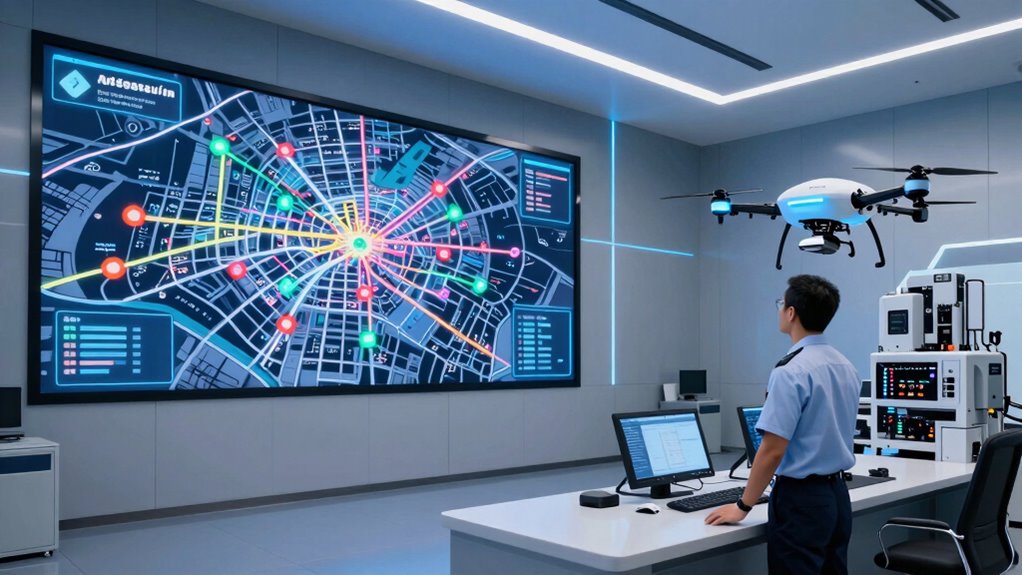

When you focus on better navigation, you create a clearer and more organized system, making it easier to find and fix issues quickly. Good maintenance relies on this structure to identify problems early and keep everything running smoothly. When both are well-implemented, your system becomes more resilient, reducing downtime and headaches. Maintaining these elements aligned helps prevent chaos and ensures long-term stability. Keep exploring how these practices work together for even better results.
Key Takeaways
- Clear navigation simplifies troubleshooting and issue identification, making maintenance more efficient.
- Well-designed infrastructure supports proactive maintenance and reduces system downtime.
- Intuitive interfaces minimize user errors, decreasing the need for extensive repairs.
- Scalable, flexible design ensures easy updates, maintaining system performance over time.
- Organized systems prevent chaos, enabling smoother ongoing maintenance and long-term stability.

Have you ever struggled to find your way or keep things running smoothly? Whether you’re navigating a complex website or managing a large system, the user interface plays a crucial role in how efficiently you move through tasks. When the interface is intuitive and well-designed, it minimizes confusion, helping you locate what you need quickly. Conversely, a cluttered or confusing user interface causes frustration and slows down progress. This connection highlights why better navigation and maintenance often go hand in hand: an effective infrastructure planning process ensures both.
Infrastructure planning isn’t just about building a sturdy foundation; it’s about designing a system that supports easy navigation and straightforward upkeep. When you plan your infrastructure carefully, you identify potential bottlenecks and optimize pathways for users. This foresight results in a user interface that feels natural and accessible, reducing the learning curve and making daily operations smoother. For example, clear labeling, logical menu hierarchies, and consistent layout choices all stem from thoughtful planning. When these elements are integrated from the beginning, maintaining the system becomes less burdensome. Additionally, incorporating scalability considerations during planning ensures the system remains adaptable to future growth, preventing the need for extensive overhauls later. A well-structured plan also minimizes disorganized components, making troubleshooting more straightforward and effective. Furthermore, thoughtful infrastructure planning can enhance the overall system performance, ensuring that all components work harmoniously together.
Good infrastructure planning also anticipates future needs, allowing for seamless updates and scalability. When you build with flexibility in mind, you prevent the clutter and chaos that often come from piecemeal fixes. This proactive approach ensures that your user interface remains clean and easy to navigate, even as the system evolves. It also means that maintenance tasks, such as troubleshooting or upgrades, are simpler because the infrastructure has been designed with clarity and accessibility in mind. You won’t have to sift through layers of disorganized components to find what needs fixing, saving time and reducing errors. Additionally, a well-structured system facilitates system scalability, enabling growth without sacrificing usability.
Another reason better navigation and maintenance are interconnected is that they foster a cycle of continuous improvement. When your infrastructure is planned well, identifying issues becomes straightforward. You can quickly pinpoint where problems originate and address them efficiently. This proactive maintenance keeps the user interface functioning optimally, which in turn enhances user experience and reduces the likelihood of future issues. Conversely, neglecting proper planning often leads to a tangled system where fixing one problem creates new ones, making maintenance feel like an endless struggle.
In the end, when you prioritize infrastructure planning and design a user interface that’s clear and intuitive, you create a system that’s easier to navigate and maintain. These elements reinforce each other, ensuring your operations run smoothly and efficiently. Better navigation isn’t just about user experience—it’s about establishing a resilient, manageable foundation that stands the test of time.
user interface navigation tools
As an affiliate, we earn on qualifying purchases.
As an affiliate, we earn on qualifying purchases.
Frequently Asked Questions
How Does Navigation Impact Maintenance Costs Over Time?
Navigation impacts maintenance costs over time by optimizing routes with advanced navigation systems, reducing wear and tear on your vehicle. When you rely on accurate navigation, maintenance planning becomes more efficient—you can anticipate repairs and schedule timely services, preventing costly breakdowns. Better navigation minimizes unnecessary mileage and stops, which also lowers fuel expenses. Overall, investing in good navigation helps you manage maintenance proactively, saving money and extending your vehicle’s lifespan.
Can Poor Navigation Lead to Safety Hazards?
A stitch in time saves nine, and poor navigation can definitely cause safety hazards. When navigation isn’t clear, you risk accidents, especially if navigation hazards aren’t properly marked or identified. This can compromise safety procedures, leading to dangerous situations. Ensuring accurate navigation helps prevent these hazards, keeping everyone safe. Regularly maintaining navigation systems and training staff on proper procedures are key to avoiding costly and dangerous mishaps.
What Tools Improve Navigation Efficiency for Maintenance?
You can improve navigation efficiency for maintenance by using tools like interactive maps and real-time tracking. Interactive maps help you visualize complex layouts, making it easier to find specific areas quickly. Real-time tracking keeps you updated on equipment status and location, reducing delays. Together, these tools streamline your navigation process, allowing you to respond faster, coordinate better, and guarantee maintenance tasks are completed efficiently and safely.
How Often Should Navigation Systems Be Updated?
Think of your navigation system as a well-tuned compass guiding you through a bustling city. You should update it regularly—ideally every few months—to keep software optimized and the user interface fresh. These updates act like a fresh coat of paint on your map, ensuring smooth routes and clear directions. Staying current prevents you from getting lost in outdated information, making every journey seamless and efficient.
Are There Industries Where Navigation and Maintenance Are Less Connected?
In some industries, like manufacturing or agriculture, navigation and maintenance are less connected due to industry-specific workflows and navigational redundancies. You might find that specialized tools or manual processes reduce reliance on advanced navigation systems, making maintenance less directly linked. These industries often prioritize other operational aspects, so improving navigation doesn’t impact maintenance as much. Still, integrating navigation solutions could enhance efficiency even in these less connected sectors.
system infrastructure planning software
As an affiliate, we earn on qualifying purchases.
As an affiliate, we earn on qualifying purchases.
Conclusion
You might not realize it, but better navigation and maintenance often go hand in hand—like finding a hidden shortcut that unexpectedly saves you time. When you take care of your systems, they tend to guide you more smoothly, making your journey easier and more enjoyable. It’s funny how something as simple as a well-maintained path can lead to better discoveries. So, keep both in check; you’ll be surprised how naturally everything falls into place.
scalable system design tools
As an affiliate, we earn on qualifying purchases.
As an affiliate, we earn on qualifying purchases.
maintenance management software
As an affiliate, we earn on qualifying purchases.
As an affiliate, we earn on qualifying purchases.