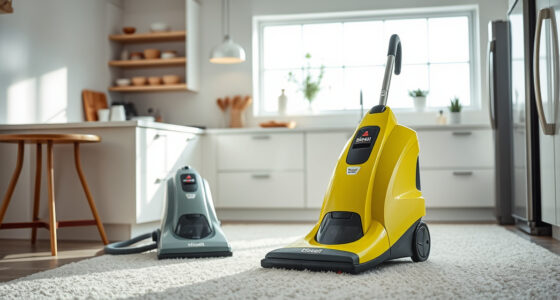
Edge cleaning might seem minor, but it’s key to better overall cleanliness and air quality. Dust and dirt tend to gather unnoticed in corners and along baseboards, where they can become airborne or cause damage over time. Ignoring these areas allows grime to build up and allergens to circulate. Regularly cleaning edges prevents mold, keeps walls in good condition, and makes future cleaning easier. Want to discover simple tips to master this overlooked task? Keep going.

Get home appliances delivered free — and shop member deals
- Fast, free delivery on millions of items
- Access to Prime Big Deal Days deals on October 6–7
- Prime Video, Amazon Music and more included
Key Takeaways
- Dust accumulates in edges and corners, becoming airborne and impacting indoor air quality.
- Regular edge cleaning prevents grime buildup, reducing long-term damage to walls and floors.
- Cleaning corners inhibits mold and mildew growth, especially in damp or humid areas.
- Neglecting edges allows dirt, pet hair, and allergens to spread, compromising hygiene and safety.
- Proper edge maintenance enhances overall cleanliness, making future cleaning easier and more effective.

Edge cleaning might seem like a small detail, but it plays a essential role in maintaining a spotless and hygienic home. When you focus on cleaning the edges, you prevent dust accumulation that often collects in those hard-to-reach spots. Dust tends to settle in corners and along baseboards, especially where walls meet floors, and if left unchecked, it can quickly turn into a larger problem. Regularly paying attention to these areas guarantees that dust doesn’t build up unnoticed, which is fundamental for maintaining a clean environment and reducing allergens. Proper maintenance of edges is crucial for a comprehensive cleaning routine and overall home health. You might not realize it, but neglecting edge cleaning can lead to a cycle of dirt spreading. Dust and debris that gather along edges can become airborne when disturbed, circulating in the air and settling elsewhere in your home. This makes your cleaning efforts less effective because you’re only moving dirt around rather than removing it entirely. By incorporating edge cleaning into your routine, you’re tackling dust at its source, which helps improve air quality and keeps your living space healthier. Corner maintenance is another essential aspect often overlooked. Corners are natural gathering spots for dust, pet hair, and dirt. Because they’re less accessible, they tend to collect more grime over time. If you ignore these spots, it’s only a matter of time before they become visibly dirty and harder to clean thoroughly. Regularly wiping or vacuuming corners prevents the buildup of grime and makes future cleaning easier. Not only does this keep your home looking neat, but it also extends the life of your walls and floors by preventing dirt from settling in and causing damage. Incorporating edge cleaning techniques can also prevent the growth of mold and mildew in damp areas, especially along baseboards and corners where moisture tends to accumulate. Additionally, regular edge cleaning helps maintain the longevity of your paint and wall coverings by preventing moisture-related damage. Staying aware of moisture control is vital in these areas because excess moisture can accelerate mold growth and cause paint peeling. Proper ventilation can significantly reduce moisture buildup and further protect your home from dampness-related issues. Edge cleaning is especially important if you have pets or children. Pet hair, crumbs, and dirt tend to accumulate in corners and along edges where little fingers or paws reach. If you overlook these areas, you’re practically providing a breeding ground for germs and allergens. Maintaining clean edges and corners isn’t just about aesthetics; it’s a matter of hygiene and safety. Plus, when you take the time to clean these spots regularly, you reduce the need for deep cleaning sessions, saving you time and effort in the long run.
As an affiliate, we earn on qualifying purchases.
Frequently Asked Questions
How Often Should I Clean the Edges of My Floors?
You should clean the edges of your floors at least once a week to prevent dust buildup and keep your space fresh. Regular corner dusting helps eliminate dirt and debris that often accumulate in hard-to-reach spots, which can impact air quality and attract pests. If you have pets or allergies, consider more frequent cleanings. Consistent edge cleaning guarantees your entire floor stays spotless and well-maintained.
Can Edge Cleaning Improve Overall Home Hygiene?
Edge cleaning acts like a guardian, sweeping away dust accumulation and sealing your home’s defenses. By keeping edges tidy, you prevent pests from sneaking into hidden corners, turning chaos into calm. This meticulous care breathes fresh life into your space, boosting overall hygiene. When you focus on these neglected zones, you craft a cleaner, healthier environment—making your home a resilient fortress against dirt and unwelcome visitors.
What Tools Are Best for Effective Edge Cleaning?
For effective edge cleaning, robot vacuums with corner-specific brushes work great because they reach tight spaces effortlessly. Dust mops are also excellent for sweeping along baseboards and edges, removing dust and debris efficiently. Combining both tools allows you to tackle edges thoroughly, ensuring your home stays cleaner. Use the robot vacuum regularly for deep cleaning, and dust mops for quick touch-ups along edges and corners to maintain overall hygiene.
Does Edge Cleaning Save Time Compared to Full-Floor Cleaning?
Think of edge cleaning as tending to the garden’s borders before the main area. It saves you time by quickly removing surface debris from corners and edges, preventing buildup that requires more effort later. This boosts edge cleaning efficiency, making your overall cleaning faster and more thorough. By tackling edges first, you prevent dirt from spreading, ensuring your entire space stays cleaner longer, and reducing the need for full-floor scrubbing.
Are There Specific Edge Cleaning Techniques for Different Flooring Types?
Yes, different flooring types require specific edge cleaning techniques. For tile floors, focus on corner dusting to remove dust and debris from grout lines, which often trap dirt. For hardwood or laminate, use gentle sweeping or vacuuming along edges to avoid scratches. Adjust your approach based on the surface, ensuring grout scrubbing for tiles and careful dusting for smooth surfaces, making your cleaning more effective and thorough.
As an affiliate, we earn on qualifying purchases.
Conclusion
Think of your home as a garden. While the center blooms brightly, it’s the edges where weeds can quietly take root, threatening the whole. Edge cleaning is your gardener’s gentle hand, keeping those borders tidy and healthy. Neglect them, and chaos can spread unnoticed. By paying attention to the edges, you nurture a space that’s not just clean, but resilient — a sanctuary where every corner flourishes and your peace of mind blooms.
As an affiliate, we earn on qualifying purchases.
mold and mildew remover for walls
As an affiliate, we earn on qualifying purchases.
As an affiliate, we earn on qualifying purchases.
Fall yard work Picks
leaf blowers
As an affiliate, we earn on qualifying purchases.