For anyone seeking seamless voice control over their smart home devices, choosing the right speaker is essential. The Amazon Echo Dot Max stands out for its room-filling sound and robust Alexa integration, making it a versatile all-rounder. The Google Nest Audio 3-Pack offers excellent multi-room coverage at a competitive price, perfect for expanding smart home ecosystems. Meanwhile, the Bose Home Speaker 300 provides premium audio quality with smart features, ideal for audiophiles who want style and substance. All options come with tradeoffs, like varying sound quality, ecosystem compatibility, and price points. Keep reading for a detailed breakdown to find your best fit.

Get home appliances delivered free with Prime
- Fast, free delivery on millions of items
- Prime Video, Amazon Music and more included
- Member-only deals all year
Key Takeaways
- The top picks excel in either sound quality, multi-room coverage, or ecosystem compatibility, making each suitable for different priorities.
- Smart home ecosystem compatibility, especially with Alexa or Google Assistant, is a key factor influencing long-term satisfaction.
- Price varies significantly, with premium models offering better sound but at a higher cost, while budget options deliver decent performance at a lower price.
- Multi-room capability can be a game-changer for whole-home control but adds complexity and expense for some buyers.
- Build quality and design influence not just aesthetics but also durability and ease of use, especially in busy households.


More Details on Our Top Picks
JAM Symphony WiFi Home Audio Speaker with Amazon Alexa Voice Service, Stream Music, Built-in Intercom, Sync up to 8 Speakers for Home Audio, Control Speakers with Smartphone App, HX-W14901 Black
This JAM Symphony speaker stands out for its ability to easily connect multiple units, creating a cohesive multi-room setup that rivals the Google Nest Audio 3-Pack in flexibility. Unlike the Nest system, which requires an existing ecosystem, JAM’s app-driven approach makes setup straightforward, even for those new to Wi-Fi speakers. The built-in Alexa integration offers voice control, but the overall experience depends heavily on app stability and Wi-Fi quality. Compared with the Echo Dot Max, which emphasizes richer bass and smart home hub functions, the JAM model is more versatile for multi-unit audio but sacrifices some sound depth and smart home features. The tradeoff lies in simplicity versus advanced audio performance.
Pros:- Supports syncing up to 8 speakers for expansive coverage
- Simple setup via dedicated app, no wiring needed
- Versatile control of multiple speakers from one device
Cons:- Sound quality may not match larger, dedicated hi-fi speakers
- Dependent on Wi-Fi stability for seamless operation
Best for: Homeowners seeking a customizable, multi-room Wi-Fi speaker system without complex wiring
Not ideal for: Users prioritizing high-fidelity sound or advanced smart home features in a single device
- Speaker Type:Wi-Fi home audio
- Connectivity:Wi-Fi, Alexa
- Multi-room Support:Yes, up to 8 speakers
- Control App:JAM Wi-Fi App
- Streaming Services:Spotify, iHeartRadio, Tidal, TuneIn
- Dimensions:8.35” x 6.30” x 7.50”
Bottom line: This pick is ideal for those wanting flexible, scalable whole-home audio with easy setup.
Google Nest Audio 3-Pack Smart Speakers – Multi-Room Wireless with Bluetooth, Wi-Fi & Assistant
The Google Nest Audio 3-Pack offers a compelling solution for synchronized music playback across multiple rooms, making it the better choice over the RIVA Upgraded Concert for those invested in Google’s ecosystem. Its high-fidelity sound with 75mm woofers and 19mm tweeters provides clear, room-filling audio, while the multi-room setup is straightforward with Wi-Fi and Bluetooth. However, the premium price tag makes it less appealing for budget-conscious buyers, and setup can be challenging if your existing smart home setup isn’t already compatible with Google Assistant. Unlike the RIVA speaker, which excels in sound quality and versatile connectivity, the Nest system emphasizes seamless smart home integration and multi-room convenience, though at a higher cost.
Pros:- Multi-room synchronized playback across three rooms
- Built-in Google Assistant for voice control and smart home management
- High-quality, modern design with durable materials
Cons:- Higher price point for the 3-pack
- Setup may require existing smart home system for optimal performance
Best for: Smart home users with existing Google ecosystem who want multi-room synchronized audio
Not ideal for: Users new to smart home tech or with limited Wi-Fi coverage seeking a simple single-speaker solution
- Number of Speakers:3
- Woofer Size:75mm
- Tweeter Size:19mm
- Connectivity:Wi-Fi, Bluetooth 5.0
- Materials:Sustainable Materials
- Dimensions:Standard speaker size
Bottom line: Best suited for those who want integrated multi-room Google Assistant control and high-fidelity sound.
Google Home Smart Speaker (South Korea Model) – Voice-Controlled Assistant with Nest and Chromecast Compatibility
This South Korea-specific Google Home model provides balanced audio performance and seamless Nest and Chromecast integration, making it suitable for users in Korea or those with compatible adapters. Compared with the US version, it offers similar voice-controlled smart home features but requires an extra power adapter for North American outlets, which could be inconvenient. The deep bass and crisp treble ensure good sound quality for its size, but the need for an additional adapter limits plug-and-play convenience for US buyers. Unlike the Google Nest Audio, which is designed for multi-room setups, this model is more suited for individual use or smaller spaces where balanced audio is preferred over expansive sound.
Pros:- Balanced audio with deep bass and crisp treble
- Seamless integration with Nest and Chromecast
- Compact design suitable for small spaces
Cons:- Requires an additional power adapter for US outlets
- Limited to local markets without native US plug
Best for: International users or US buyers comfortable with adapters seeking balanced, compact smart speaker performance
Not ideal for: US users looking for a plug-and-play multi-room system or high-volume sound
- Model:South Korea
- Color:White/Slate
- Power Requirement:US adapter required (not included)
- Compatibility:Nest, Chromecast
- Audio Features:Deep bass, crisp treble
- Dimensions:Compact size
Bottom line: Ideal for international buyers needing balanced sound and smart home control in a compact form.
RIVA Upgraded Concert Wi-Fi Bluetooth Smart Hi-Fi Speaker with Alexa Built-in, 6 Drivers, 50W, Multiroom Music System, Voice Control, Support Airplay 2, Spotify, Tidal and More Streaming (White)
The RIVA Concert excels in delivering high-fidelity sound with its six drivers and 50W power, surpassing most single-room speakers like the Echo Dot Max in raw audio quality. Its support for Wi-Fi, Bluetooth, Airplay 2, and multiple streaming services makes it extremely flexible, especially for audiophiles who want premium sound with multi-source options. The built-in Alexa adds voice control, but unlike the Echo Dot Max, which doubles as a smart home hub, RIVA focuses primarily on sound quality and connectivity. The tradeoff is its larger size and higher price, which might not suit small spaces or budget-conscious buyers seeking a simple smart speaker.
Pros:- Exceptional high-fidelity sound with 6 drivers
- Supports multiple streaming platforms including Airplay 2
- Flexible connectivity options (Wi-Fi, Bluetooth, USB, AUX)
Cons:- Larger physical size may not fit small spaces
- Higher price point compared to simpler smart speakers
Best for: Audio enthusiasts seeking premium sound with flexible streaming and multiroom capability
Not ideal for: Small-space dwellers or those on a tight budget who need a compact, budget-friendly smart speaker
- Drivers:6
- Power Output:50W
- Connectivity:Wi-Fi, Bluetooth, USB, AUX
- Streaming Support:Airplay 2, Spotify, Tidal
- Voice Assistant:Alexa Built-in
- Dimensions:Large
Bottom line: Best suited for users who prioritize audio quality and multi-source streaming over compactness and cost.
Bose Home Speaker 300: Bluetooth Smart Speaker with Amazon Alexa Built-in, Black
This Bose Speaker 300 stands out for delivering impressive 360-degree, lifelike audio despite its small size, making it ideal for users who want rich sound without clutter. Compared with the Google Nest Audio 3-Pack, it offers superior sound quality and more nuanced control options, but at a higher price point. Its built-in Alexa and Google Assistant provide versatile voice control, and the six-microphone array ensures clear voice pickup even when music is playing loudly. However, its reliance on wired power and limited physical controls may frustrate those seeking a more wireless or tactile experience. This pick makes the most sense for those who prioritize sound quality and compact design over multi-room expansion or budget.
Pros:- Excellent 360-degree sound with room-filling audio
- Compact size fits easily on shelves or desks
- Supports multiple voice assistants and connectivity options
Cons:- Requires a wired power connection, limiting placement flexibility
- Limited physical controls—most management is via app or voice
Best for: Small apartments or desks where space is limited but high-quality audio is desired
Not ideal for: Large rooms or multi-room setups where a more powerful or expandable system is needed
- Audio Output Mode:Stereo
- Mounting Type:Tabletop
- Speaker Type:Multi Room
- Connectivity Technology:Bluetooth, Wi-Fi
- Control Method:Voice, App, Touch
- Microphones:6
Bottom line: This speaker is perfect for users who want premium sound in a small footprint and don’t mind a wired setup.
How We Picked
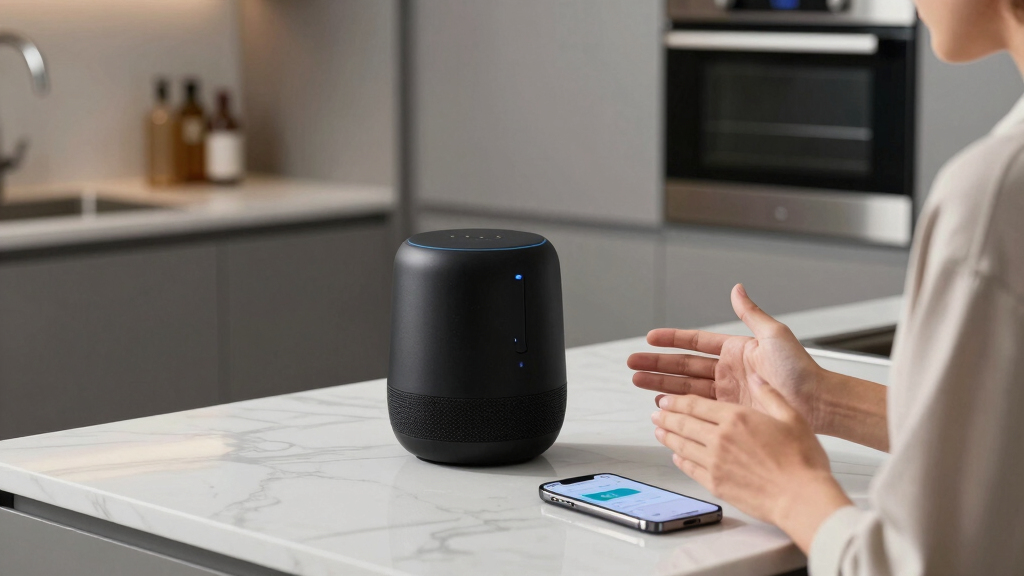
These products were evaluated based on several criteria that matter to buyers: overall sound performance, voice assistant responsiveness, ecosystem compatibility, ease of setup, build quality, and value for money. We prioritized devices that offer a balance of good audio, reliable voice control, and seamless integration with popular smart home platforms. The ranking favors versatility and user experience, ensuring each pick serves a distinct purpose—whether for premium sound, multi-room coverage, or budget-friendly options. Devices with frequent connectivity issues or poor voice recognition were excluded to keep recommendations practical and reliable.Factors to Consider When Choosing Smart Home Voice Control Speakers
When selecting a smart home voice control speaker, it’s important to consider factors beyond just price or brand. Your choice should align with your existing smart home setup, audio preferences, and how you plan to use the device. Here are key considerations to guide your decision and avoid common pitfalls that can lead to dissatisfaction.Ecosystem Compatibility
Matching your speaker with your existing smart home ecosystem (Amazon Alexa, Google Assistant, or Apple HomeKit) is vital. Compatibility ensures seamless device control, fewer connectivity issues, and access to your preferred services. Buying a device outside your ecosystem can lead to frustration and limited functionality, so choose a speaker that fits your current setup or plan to expand into a new ecosystem thoughtfully.
Sound Quality and Use Case
Sound quality varies widely among smart speakers. If music is a priority, opt for models with multiple drivers, high wattage, or premium audio features. Conversely, if voice control and smart home management are your main goals, a more basic speaker might suffice. Remember, a device with excellent voice recognition won’t be as satisfying if its sound performance is subpar for your listening needs.
Multi-Room and Connectivity
Multi-room capabilities can enhance your home automation, but they come with added costs and setup complexity. Consider whether you want a single speaker or a network of compatible devices. Also, check for compatibility with Bluetooth, Wi-Fi, and streaming services to ensure flexible, reliable connections across your household.
Privacy and Security
Smart speakers constantly listen for voice commands, which raises privacy concerns. Look for devices with clear privacy controls—like mute buttons, robust data encryption, and transparent data policies. Protecting your information is especially important if you plan to use the device in private spaces or sensitive environments.
Price and Long-Term Value
Price differences reflect features, build quality, and ecosystem richness. Budget models may meet basic needs but often lack advanced features or high audio fidelity. Premium devices tend to deliver superior sound and more advanced smart features but at a higher cost. Consider your long-term needs and whether investing more now will save money and hassle later.
Frequently Asked Questions
Can I use multiple smart speakers from different brands together?
Using multiple speakers from different brands can work, but it often depends on your ecosystem. For example, devices with Google Assistant generally work best within Google’s ecosystem, while Alexa devices perform better with Amazon’s platform. Mixing brands may lead to limited multi-room features or inconsistent control. If multi-brand compatibility is important, look for devices that support standards like Chromecast or Alexa Multi-Room Music, but be prepared for potential limitations.
Is it worth paying extra for premium sound quality in a smart speaker?
Paying more for premium sound makes sense if you prioritize music quality or plan to use the speaker as a main audio source. Higher-end models often feature larger drivers, better frequency response, and richer bass, which significantly enhance listening experiences. However, if your primary goal is voice control and smart home management, a mid-range speaker may meet your needs without the added expense.
How important is it for a smart speaker to have a built-in display?
Built-in displays add visual interaction, useful for watching videos, viewing smart home cameras, or reading information at a glance. If you want a more visual interface, choosing a device like Google Nest Hub makes sense. However, if you prefer a minimalist design or plan to use voice commands exclusively, a speaker without a display can be simpler, less expensive, and less prone to visual clutter.
Can I control smart home devices with just a single speaker, or do I need multiple?
Many smart speakers can control multiple devices, but coverage and responsiveness improve with multiple units, especially in larger homes. A single device might struggle with range or signal strength, leading to inconsistent control. Investing in multiple speakers ensures better coverage, synchronized multi-room audio, and more reliable control, but it also increases overall cost and setup complexity.
What should I do if my voice commands aren’t recognized accurately?
If voice commands aren’t recognized well, check for proper device placement, minimizing background noise, and ensuring your voice profile is set up correctly. Sometimes, updating firmware or voice recognition settings helps improve accuracy. If issues persist, consider a device with more advanced microphones or better noise-canceling features. Ensuring your language and accent are supported also makes a notable difference.
Conclusion
For users prioritizing all-around performance and smart home flexibility, the Amazon Echo Dot Max offers a compelling blend of sound, smart features, and ecosystem integration, making it the best overall choice. Budget-conscious buyers or those expanding multi-room setups should consider the Google Nest Audio 3-Pack for value and coverage. For audiophiles seeking premium sound quality, the Bose Home Speaker 300 delivers high-fidelity audio with smart features. Beginners or those new to smart home tech will find the simpler setup of the Google Nest Audio ideal. Finally, if you need a device with visual interfaces, a smart display-based speaker might better suit your needs.
As an affiliate, we earn on qualifying purchases.Cold & flu season Picks
humidifiers