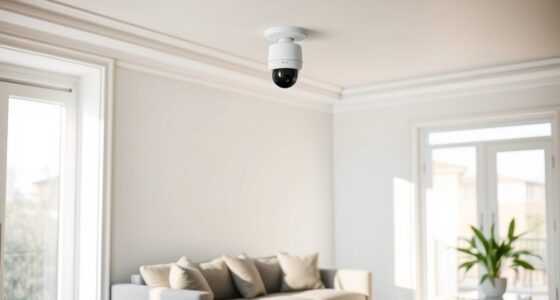
To achieve smooth cross-brand smart home control, you should focus on using hubs or platforms that support multiple standards like Zigbee, Z-Wave, and Wi-Fi. These protocols act as universal translators, enabling devices from different brands to communicate seamlessly. Ensuring all devices support robust security protocols like WPA3 and encryption further secures the system. Combining this approach with compatible voice assistants helps you manage your smart home effortlessly. Explore further to uncover how to optimize security and interoperability.
Key Takeaways
- Use a universal hub supporting multiple protocols (Zigbee, Z-Wave) to bridge different device ecosystems seamlessly.
- Choose devices that adhere to industry standards and are compatible with popular voice assistants for smoother integration.
- Implement centralized management platforms to control and automate devices across various brands and ecosystems.
- Prioritize security protocols like WPA3 and end-to-end encryption to protect communications among cross-brand devices.
- Avoid managing devices through separate apps; opt for unified control platforms to simplify operation and enhance interoperability.

Have you ever wondered why your smart home devices often struggle to work together seamlessly? It’s a common frustration, especially when you’re trying to control multiple devices with voice commands or ensure your home remains secure. The main issue stems from the fact that many brands and ecosystems use different standards and protocols, making interoperability a challenge. However, understanding how these systems communicate and the role of security protocols can help you create a more cohesive smart home experience.
When it comes to voice control, you might notice that your smart speaker doesn’t always recognize commands or that specific devices don’t respond as expected. This happens because different brands often rely on proprietary communication methods or lack compatibility with other ecosystems. For example, a device compatible with Alexa might not natively work with Google Assistant or Apple’s Siri. To bridge this gap, many manufacturers now adopt common standards like Zigbee or Z-Wave, which act as universal languages allowing devices from different brands to communicate. These standards enable you to use voice commands more reliably across your devices, regardless of their brand, by creating a central hub that translates between different protocols.
Security protocols are equally critical in ensuring your smart home functions correctly and safely. Each device and ecosystem employs security measures to prevent unauthorized access, but when multiple brands are involved, inconsistencies can arise. If one device uses outdated or incompatible security protocols, it can leave your network vulnerable or cause communication failures. That’s why it’s essential to choose devices that support robust, industry-standard security protocols like WPA3 for Wi-Fi or end-to-end encryption for cloud-based controls. These security measures not only protect your personal data but also ensure that commands sent via voice control or app are transmitted securely, reducing the risk of hacking or accidental device misconfigurations. Additionally, interoperability standards facilitate smoother communication between devices, enhancing both security and functionality.
To maximize interoperability, you should focus on using a unified hub or platform that supports multiple ecosystems and adheres to common security standards. Many smart home hubs now integrate with various brands, enabling seamless voice control and secure device management. This setup simplifies controlling your devices, as you won’t need separate apps or accounts for each brand, and it enhances security by centralizing management under one trusted platform. Ultimately, by understanding how voice control and security protocols work together, you’ll be better equipped to create a smart home environment that’s both easy to use and secure from threats. This approach ensures your devices operate harmoniously, giving you a smarter, safer home experience.
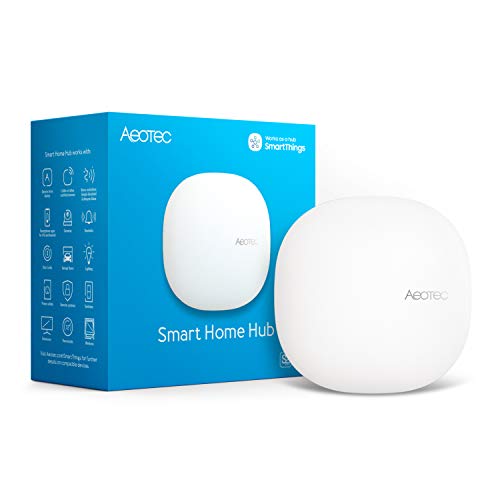
Aeotec Smart Home Hub, Works as a SmartThings Hub, Z-Wave, Zigbee, Matter Gateway, Compatible with Alexa, Google Assistant, WiFi
Connect & control your smart home — Easily link thousands of compatible devices from leading brands to create…
As an affiliate, we earn on qualifying purchases.
As an affiliate, we earn on qualifying purchases.
Frequently Asked Questions
How Secure Is Cross-Brand Smart Home Interoperability?
Cross-brand smart home interoperability can be quite secure if you pay attention to device encryption and privacy policies. You should verify that all devices use strong encryption to protect your data during transmission and storage. Also, review privacy policies to understand how your information is handled. Regular updates and choosing reputable brands help maintain security, so you’re better protected from potential vulnerabilities in a multi-ecosystem setup.
Can I Control All Devices With a Single App?
Yes, you can control all your devices with a single app thanks to unified control features. Many smart home platforms now prioritize app compatibility, allowing you to manage multiple brands seamlessly. By using a compatible hub or app, you simplify your smart home experience, avoiding the hassle of switching between apps. Just guarantee your devices support the same ecosystem or are compatible with the unified control app for smooth operation.
What Are the Costs Involved in Integrating Multiple Ecosystems?
You should conduct a thorough cost analysis before integrating multiple ecosystems, as costs can vary widely. Expect to spend on compatible hubs, bridges, or additional software, which can add up. Compatibility challenges may lead to unexpected expenses, like replacing incompatible devices or purchasing adapters. Budget carefully, considering both initial setup and ongoing maintenance, to make certain your smart home remains seamless without breaking the bank.
How Do Updates Affect Cross-Brand Compatibility?
Updates can influence your cross-brand compatibility because firmware compatibility and software updates may not always align across different brands. When devices receive updates, they might lose interoperability if the new firmware isn’t compatible with other ecosystems. To keep everything running smoothly, you should regularly check for updates, verify compatibility before installing, and stay informed about each brand’s update policies to minimize disruptions in your smart home setup.
Are There Any Legal or Privacy Concerns?
Think of smart home interoperability as a double-edged sword—you get convenience, but risks lurk. You should be aware of legal implications and privacy risks, especially across brands and ecosystems. Data sharing and security vulnerabilities may lead to legal issues or privacy breaches. Always read privacy policies and make sure your devices comply with regulations. Staying informed helps you protect your smart home from potential legal and privacy pitfalls.

Durablow SH3001 On/Off WiFi Gas Fireplace Remote Control for Millivolt Valve IPI, Smart Home, Compatible with Alexa, Google Home, Samsung SmartThings, IFTTT, Siri, WiFi Smart Gas Fireplace + Timer
★ SMART FIREPLACE CONTROL x SMART-LIFE APP: WiFi gas fireplace controller that operates on 2.4GHz WiFi (not compatible…
As an affiliate, we earn on qualifying purchases.
As an affiliate, we earn on qualifying purchases.
Conclusion
As you explore cross-brand smart home interoperability, you realize it’s more than just connecting devices—it’s about revealing a new level of convenience and security. But as you integrate more ecosystems, questions arise: what’s next? Will your smart home truly become seamless, or will new challenges emerge? The future of interoperability is still unfolding, and your next move could shape how effortless and secure your home truly becomes. Are you ready to take that step?

WAVLINK AX6000 Dual Band WiFi 6 Router, High Speed Gigabit Router for Wireless Internet, 8 High-Gain Antennas, 2.5G Ethernet Port, Mesh, 8 Stream, WPA3, OpenVPN, Smart APP for Large Home
【Your Satisfaction, Our Priority】Phone +1-888-973-0883 (US Local) (Mon-Fri 9AM-6PM, UTC-5). Email: contact@wavlink.com. Solutions within 8 hours, lifelong support….
As an affiliate, we earn on qualifying purchases.
As an affiliate, we earn on qualifying purchases.
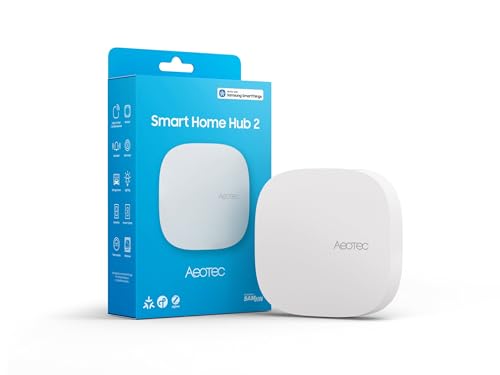
Aeotec Smart Home Hub2 – V4, Works as a SmartThings Hub, Zigbee, Matter Gateway, Compatible with Alexa, Google Assistant, WiFi (No Z-Wave)
Powered by SmartThings – Connect, monitor, and automate your home through the SmartThings app. Build a reliable, unified…
As an affiliate, we earn on qualifying purchases.
As an affiliate, we earn on qualifying purchases.