Closing vents may seem like an easy way to control airflow, but it can backfire badly. It causes pressure buildup in your ductwork, leading to leaks, damaged joints, and increased system strain. This forces your HVAC to work harder, wasting energy and raising bills. Over time, it can also shorten your system’s lifespan. To keep your system running efficiently, it’s better to understand how proper airflow and maintenance play a vital role—more details will guide you toward the right approach.
Key Takeaways
- Closing vents causes airflow imbalance, increasing strain on the HVAC system and risking potential failure.
- It disrupts natural air circulation, reducing overall energy efficiency and causing longer system operation.
- Pressure buildup in ductwork from closed vents can lead to leaks and damage, decreasing airflow.
- Over time, duct leaks and system strain can cause costly repairs and shorten HVAC lifespan.
- Proper maintenance and airflow balance are more effective for efficiency than closing vents.
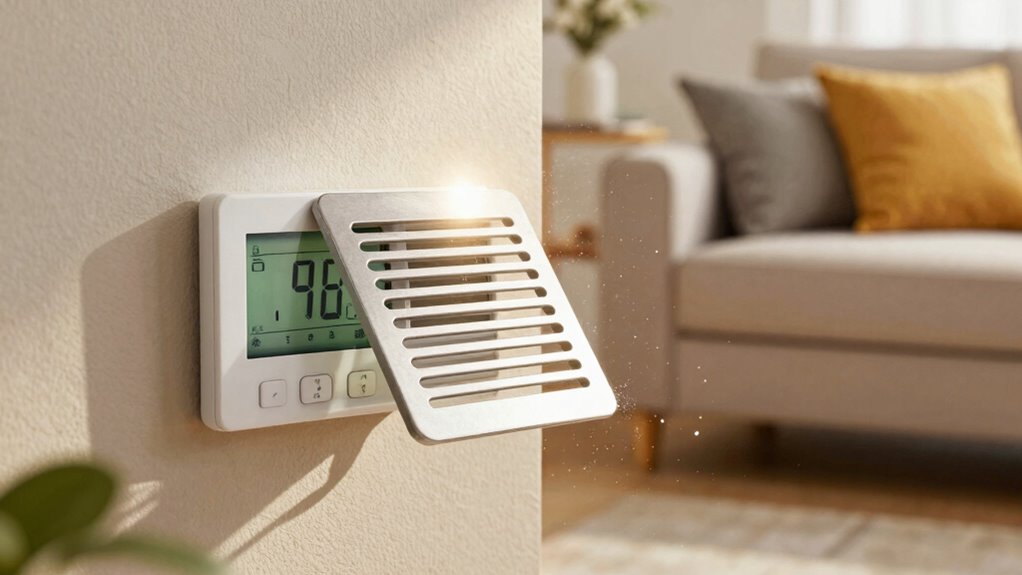
Many homeowners believe that closing vents in unused rooms can save energy, but in reality, this practice often causes more harm than good. When you restrict airflow by shutting vents, you create an imbalance in your HVAC system that can lead to a host of problems. Your furnace or air conditioner has to work harder to maintain the desired temperature because the system isn’t designed to operate under such conditions. This airflow restriction causes pressure to build up in your ductwork, which can lead to leaks, increased wear and tear on your equipment, and even system failure over time.
Closing vents causes system strain, leaks, and inefficiency—opt for proper maintenance instead.
By closing vents, you disrupt the natural flow of air throughout your home, reducing overall energy efficiency. Instead of saving money, you may end up spending more on energy bills because your HVAC system compensates for the blocked airflow. When airflow is restricted, the system struggles to circulate warm or cool air evenly, creating hot or cold spots that force you to run your heater or AC longer. This unnecessary strain increases energy consumption and reduces the lifespan of your equipment. Proper airflow balance is crucial for maintaining optimal HVAC performance and efficiency.
Additionally, closing vents can cause your system’s pressure to rise, leading to duct leaks that are often hidden and hard to detect. These leaks can let heated or cooled air escape, further decreasing your system’s efficiency and wasting energy. Over time, these leaks can become severe, requiring costly repairs. The increased pressure can also cause your duct joints to loosen or disconnect, compounding the problem and making your system even less effective. Maintaining duct integrity is essential for preventing costly repairs and ensuring efficient airflow. In fact, pressure buildup can exacerbate existing duct issues, making regular inspections even more important. Proper system design also plays a crucial role in ensuring balanced airflow and preventing these problems from occurring.
It’s tempting to think that shutting vents in unused rooms will help you cut costs, but it actually has the opposite effect. Instead of isolating spaces, it creates uneven airflow that hampers your system’s performance. Proper airflow is essential for maintaining consistent temperatures and energy efficiency. When airflow is unrestricted and balanced, your HVAC system operates more smoothly, consumes less energy, and lasts longer.
In the end, your best bet for improving energy efficiency isn’t closing vents but ensuring your system is well-maintained and properly calibrated. Regular filter changes, duct inspections, and professional tune-ups help your HVAC operate at peak performance. By allowing your system to breathe freely and maintaining balanced airflow, you’ll save energy, reduce your bills, and extend the life of your heating and cooling equipment. Understanding airflow dynamics is crucial for homeowners aiming to optimize their HVAC systems effectively.

Leak Saver Direct Inject AC Leak Sealer | AC Stop Leak for Most HVAC Systems Up to 5 Tons | Works with All Systems & AC Refrigerants | Made in the USA
STOP LEAKS PERMANENTLY – The Leak Saver can permanently seal small refrigerant leaks where the complete refrigerant charge…
As an affiliate, we earn on qualifying purchases.
As an affiliate, we earn on qualifying purchases.
Frequently Asked Questions
Can Closing Vents Improve Energy Efficiency?
Closing vents doesn’t usually improve energy efficiency. It causes airflow disruption, which can make your HVAC system work harder and reduce overall comfort. Instead of saving energy, it may increase your utility bills. To optimize energy savings, focus on proper insulation and regular maintenance. Leaving vents open allows for balanced airflow, ensuring your system runs efficiently without unnecessary strain, ultimately helping you save money and maintain a comfortable home.
Do Closed Vents Cause Damage to HVAC Systems?
Think of your HVAC system like a busy highway; closing vents is like shutting lanes, causing airflow imbalance and HVAC system stress. This imbalance forces your system to work harder, potentially leading to damage. So, yes, closed vents can cause harm, as they disrupt proper airflow and strain components. Instead, keep vents open and let your system run smoothly to prevent costly repairs and guarantee efficient heating or cooling.
Is Vent Closing Effective in Large or Multi-Zone Homes?
Closing vents in large or multi-zone homes often isn’t effective and can cause system imbalance. Ventilation myths suggest you can control temperature simply by shutting vents, but this disrupts airflow, making your HVAC work harder. Instead, a well-designed zoning system with proper dampers guarantees balanced heating and cooling. So, avoid closing vents yourself, as it may lead to inefficiency and increased energy costs, rather than solving temperature issues.
How Quickly Can Closing Vents Affect Indoor Air Quality?
Closing vents can turn your home’s air quality into a ticking time bomb, with effects seen in just hours. It causes indoor air circulation to slow and creates a ventilation imbalance, trapping pollutants and allergens inside. This disruption can lead to stuffy air, odors, and even health issues. You might not notice it immediately, but within a day, your indoor environment becomes less healthy, stressing your home’s ventilation system.
Are There Safer Alternatives to Closing Vents for Temperature Control?
Instead of closing vents, you should consider using vent blockages or adjusting dampers to control airflow restrictions safely. These methods help direct heat or cool air without disrupting your HVAC system’s balance, reducing the risk of uneven temperatures or increased energy use. Using programmable thermostats also allows you to manage temperatures more precisely, offering a safer and more efficient alternative to closing vents.
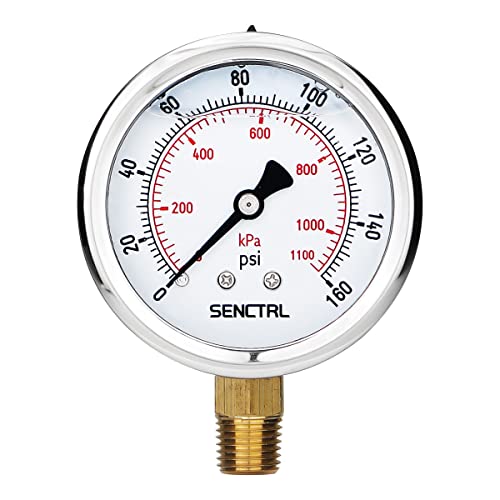
SENCTRL 0-160 Psi Glycerin Liquid Filled Air Pressure Gauge, 2.5" Dial Size, 1/4" NPT Lower Mount, Stainless Steel Case, Water Pump, Tire, Large Air Compressor, Well Pump, RV Regulator Pressure Test
Brass and Stainless Steel wetted parts for measuring non-corrosive liquid and gas pressure. Such as water, oil pressure…
As an affiliate, we earn on qualifying purchases.
As an affiliate, we earn on qualifying purchases.
Conclusion
Closing vents might seem like a quick fix, but it’s like shutting the door on your comfort and efficiency. Instead of saving energy, you could be trapping heat or cold, causing your system to work harder—like a marathon runner with a heavy backpack. Keep your vents open and let your HVAC work smoothly, like a well-oiled machine. Sometimes, the best way to stay warm or cool is to keep the door wide open, not shut tight.

jiouxip Valve Core Remover Installer Tool and HVAC Service Wrench Set with Hex Bit Adapters, Dual Size SAE 1/4 to 5/16 Port, 5/16'', 3/8'' Refrigeration Service Wrench, 10 Valve Core
Simple to Use: Dual size SAE 1/4'' and 5/16'' port valve core removal set allows for quick and…
As an affiliate, we earn on qualifying purchases.
As an affiliate, we earn on qualifying purchases.

QWORK 4 Inch Galvanized Backdraft Damper Duct Manual Volume Damper with Sleeve for HVAC Air Balancing Systems, Range Hoods, and Fans – Adjustment Airflow Ducting Branch
Premium Quality Material: Crafted from galvanized iron, this backdraft damper has high hardness and resistance to high temperatures…
As an affiliate, we earn on qualifying purchases.
As an affiliate, we earn on qualifying purchases.