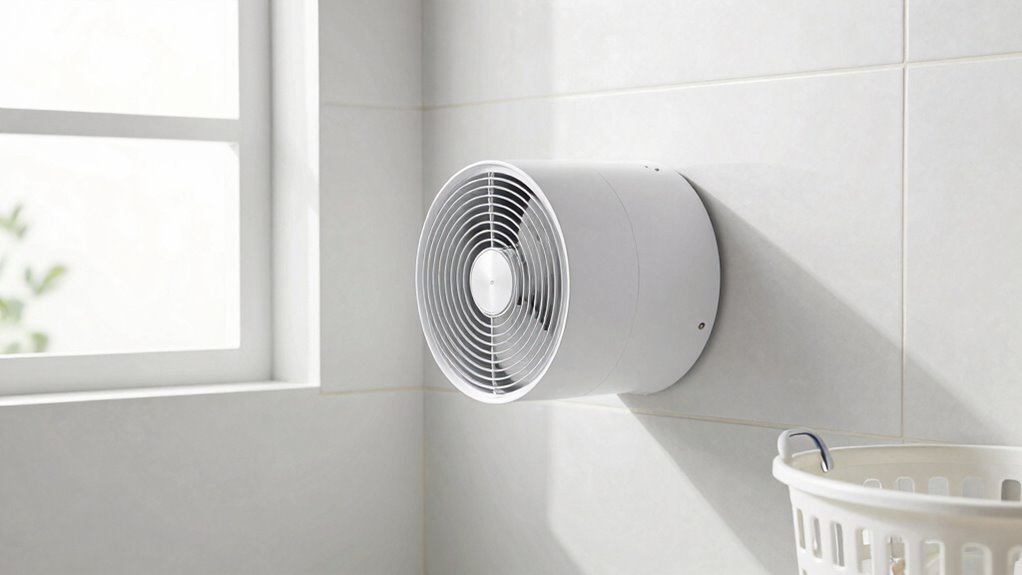
To fix ventilation issues in bathrooms and laundry rooms, you often need to upgrade to high-quality, ENERGY STAR-certified exhaust fans. Make sure they’re properly placed near moisture sources and vent directly outside with minimal bends in the ductwork. Regular maintenance, like cleaning and inspecting the fans, keeps them working efficiently. Proper installation and maintenance prevent mold, odors, and indoor air quality problems—learn more about how to optimize your system for a healthier space.
Key Takeaways
- Install a dedicated, properly positioned exhaust fan with direct outside venting near moisture sources.
- Use ENERGY STAR-rated fans with humidity sensors for efficient moisture removal.
- Ensure ductwork is short, straight, and well-insulated to maximize airflow and prevent condensation.
- Regularly maintain and clean fans and duct systems to ensure optimal performance.
- Minimize bends in ducting to reduce airflow resistance and improve ventilation efficiency.
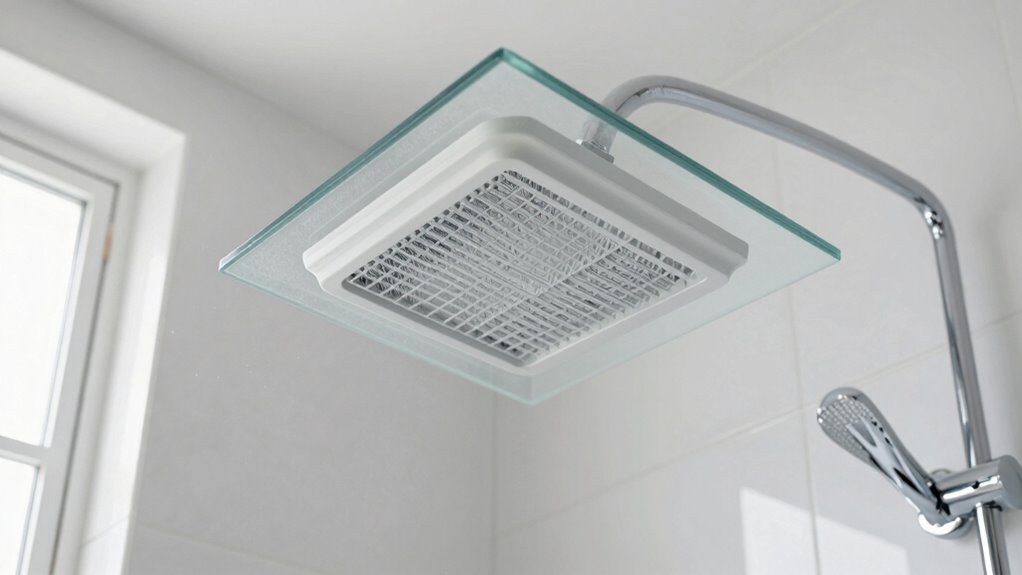
Poor ventilation in bathrooms and laundry rooms can lead to mold growth, unpleasant odors, and indoor air quality issues. When moisture isn’t properly vented, mold spores settle on surfaces, causing stains and potential health problems. To prevent this, you need an effective ventilation fix that addresses both mold prevention and energy efficiency. A well-designed system helps exhaust humid air quickly, reducing the chances of mold developing and keeping your home healthier. Plus, it can save you money on energy costs by removing excess moisture without overworking your HVAC system.
Proper ventilation prevents mold, odors, and improves indoor air quality while saving energy and protecting your home.
Many homes rely on outdated or inadequate exhaust fans, which often run inefficiently or aren’t powerful enough to remove moisture fully. Upgrading to a high-quality, energy-efficient fan is one of the simplest ways to improve airflow. Look for models with ENERGY STAR certification, as they consume less power while delivering better performance. These fans not only reduce your energy bills but also operate quietly, making them less intrusive in your daily routine. Installing a timer or humidity sensor switch can further optimize performance, ensuring the fan runs only when needed and doesn’t waste energy.
Proper placement of the exhaust fan is vital. It should be installed directly in the bathroom or laundry room ceiling or wall, near the source of moisture, to maximize moisture removal. Venting the fan directly outside prevents humid air from recirculating into your home, which can lead to persistent dampness and mold growth. Ensure the ductwork is as short and straight as possible, with minimal bends, to improve airflow and reduce energy consumption. Insulating the duct can also prevent condensation from forming, which not only protects your walls and ceiling but also maintains energy efficiency. Additionally, using proper ventilation techniques can further enhance moisture control and air quality in these spaces. Regularly inspecting and updating your ventilation system can also extend its lifespan and effectiveness. Incorporating proper maintenance routines can help identify issues early, ensuring consistent performance over time. Furthermore, choosing the right ventilation equipment suited to your space can make a noticeable difference in long-term effectiveness. Being aware of building codes and regulations can also ensure your ventilation system complies with safety standards and optimizes efficiency.
ENERGY STAR bathroom exhaust fan
As an affiliate, we earn on qualifying purchases.
As an affiliate, we earn on qualifying purchases.
Frequently Asked Questions
How Do I Know if My Ventilation System Is Working Properly?
You can tell if your ventilation system works by checking the air quality and humidity levels. If the air feels fresh and free of musty odors, it’s a good sign. Also, monitor humidity—if it stays balanced and doesn’t feel damp or stuffy, your system is controlling moisture well. Regularly inspect vents and listen for noise; proper airflow indicates your ventilation system is functioning properly.
What Are the Signs of Poor Bathroom or Laundry Room Ventilation?
If your bathroom or laundry room feels damp or has lingering odors, it’s a sign your ventilation might be taking a little break. Poor airflow can lead to hidden mold risks and make odors stubborn. You might notice condensation on mirrors or walls, or a musty smell that doesn’t go away. Addressing these signs helps with mold prevention and keeps the space smelling fresh, ensuring your room stays comfortable and healthy.
Can I Install Ventilation Fans Myself, or Should I Hire a Professional?
You can attempt a DIY installation if you’re comfortable with basic electrical work and follow the manufacturer’s instructions carefully. However, for safety and code compliance, professional installation is often the better choice, especially if your bathroom or laundry room has complex wiring or ventilation requirements. Hiring a professional guarantees the fan is installed correctly, operates efficiently, and reduces the risk of future issues. Consider your skills and the project’s complexity before deciding.
How Often Should Ventilation Systems Be Inspected or Maintained?
You should inspect and maintain your ventilation system at least once a year—think of it as a spa day for your air quality. Neglecting this can shorten the lifespan of your system and jeopardize air quality improvement. Regular check-ups ensure your fan runs smoothly, keeps mold at bay, and maintains fresh air flow. So, don’t wait for smells to scream for help—give your system the attention it deserves annually.
Are There Energy-Efficient Options for Bathroom and Laundry Room Ventilation?
Yes, you can choose energy-efficient bathroom and laundry room ventilation options. Look for models with smart controls, which optimize airflow based on humidity or occupancy, helping you save energy. These systems automatically turn on and off as needed, reducing unnecessary energy consumption. By upgrading to smart-controlled ventilation, you’ll enjoy better air quality while cutting down on energy costs, making your home more eco-friendly and cost-effective.
humidity sensor exhaust fan for laundry room
As an affiliate, we earn on qualifying purchases.
As an affiliate, we earn on qualifying purchases.
Conclusion
By boosting bathroom and laundry room ventilation, you’ll banish bothersome odors, prevent pesky mold, and promote pure, breathable air. A simple, swift solution can profoundly strengthen your space’s safety and serenity. So, take charge, tackle the tricky vents, and transform your troubled rooms into tidy, fresh havens. With a little effort, you’ll enjoy cleaner, healthier, happier home environments—and that’s a goal worth gaining!
ventilation duct insulation kit
As an affiliate, we earn on qualifying purchases.
As an affiliate, we earn on qualifying purchases.
bathroom fan with timer
As an affiliate, we earn on qualifying purchases.
As an affiliate, we earn on qualifying purchases.