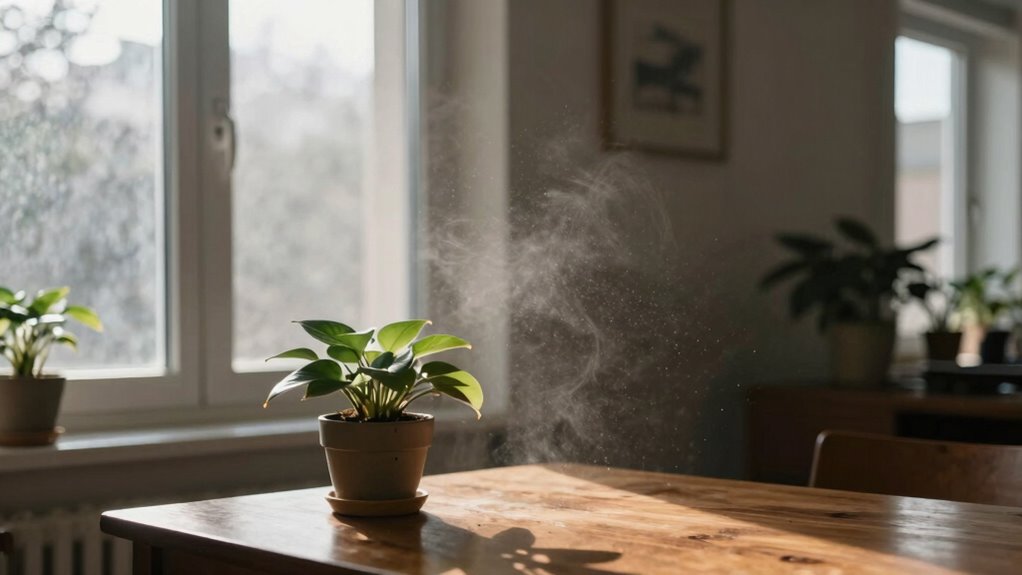

When your home is tightly sealed, pollutants, allergens, and moisture can’t escape, so they build up inside. Without proper ventilation, the air feels stale, stuffy, and may even worsen your respiratory symptoms. Your HVAC system circulates the same contaminated air, reducing overall air quality and making it harder to breathe comfortably. If you want to understand how to fix this issue and improve your indoor environment, there’s more to discover below.
Key Takeaways
- Tightly sealed homes trap indoor pollutants, allergens, and moisture, leading to poor air quality.
- Lack of proper ventilation causes indoor contaminants to accumulate and stagnate.
- Recirculating indoor air spreads dust, pet dander, and mold spores more evenly.
- Moisture buildup from daily activities promotes mold growth, releasing spores into the air.
- Without fresh air exchange, indoor air becomes stale, damp, and uncomfortable.
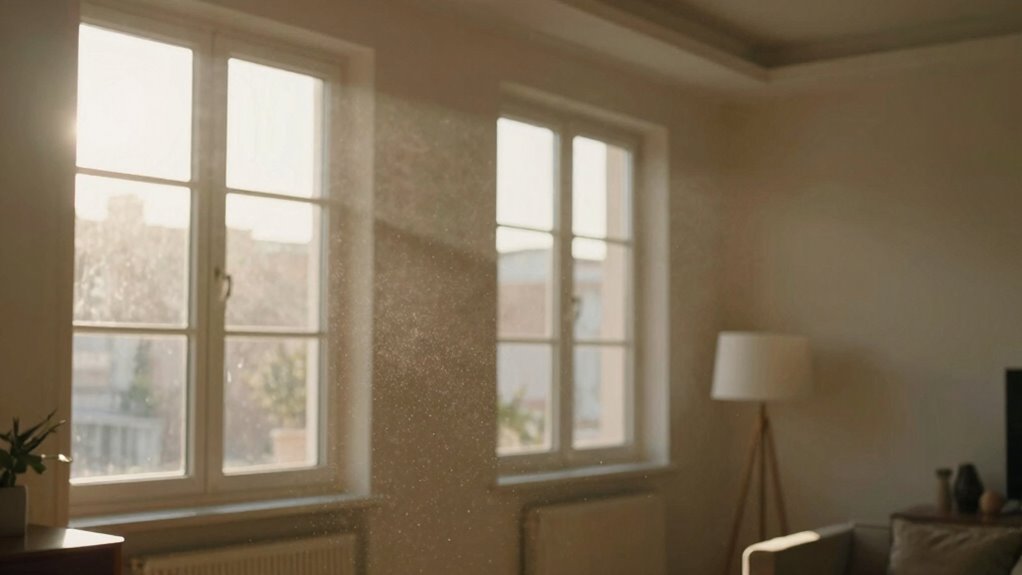
As more homes are sealed tightly to improve energy efficiency, indoor air quality becomes an increasingly important concern. When your home is so well-insulated and airtight, it can trap pollutants, allergens, and moisture inside, making the air feel stale and sometimes even worse than before. You might notice that despite having your HVAC system running, the air doesn’t seem fresh, and you’re constantly sneezing or coughing. This happens because the lack of fresh air exchange allows indoor contaminants to accumulate, impacting your overall comfort and health.
One of the main issues in sealed homes is that HVAC efficiency often improves, but at a cost. While modern systems are designed to use less energy, they can inadvertently circulate the same polluted air over and over without proper ventilation. Without enough fresh air coming in, your HVAC system ends up recycling indoor air, which can spread dust, pet dander, and other allergens more evenly throughout your home. This cycle not only diminishes indoor air quality but also makes it harder for your HVAC system to do its job effectively. Instead of improving comfort, your system may strain to filter out pollutants, leading to increased energy use and even higher utility bills.
Sealed homes can improve HVAC efficiency but risk recycling pollutants and increasing energy bills without proper ventilation.
Another problem that becomes more prevalent in tightly sealed homes is mold growth. When moisture gets trapped inside, often from everyday activities like cooking, showering, or even breathing, it creates the perfect environment for mold spores to thrive. Because fresh air isn’t entering to dilute humidity levels, moisture can accumulate around windows, walls, or hidden corners. Over time, this moisture promotes mold growth, which not only damages your home but also releases spores into the air you breathe. Mold can cause respiratory issues, worsen allergies, and create a generally unpleasant indoor environment.
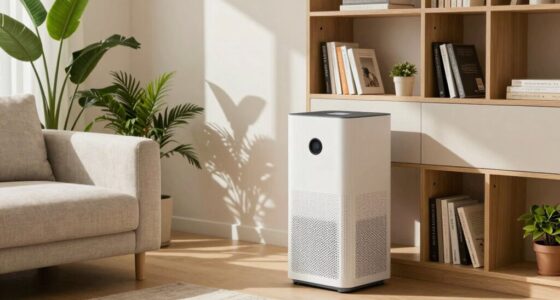
You might think that sealing your home would keep out outdoor pollutants, but without proper ventilation, indoor air quality still suffers. You need to actively manage fresh air intake, perhaps through mechanical ventilation systems or air purifiers, to prevent the air from feeling worse. If you ignore this, your tightly sealed home may feel stuffy, damp, and uncomfortable, even if your HVAC system is functioning efficiently. Ultimately, the key is balancing energy savings with adequate ventilation to keep indoor air clean, dry, and healthy. Otherwise, the benefits of a sealed home can quickly turn into drawbacks, making you feel like you’re living in a stagnant, unhealthy environment. Proper air exchange is essential to maintaining a healthy indoor environment in tightly sealed homes.
air purifier for indoor air quality
As an affiliate, we earn on qualifying purchases.
As an affiliate, we earn on qualifying purchases.
Frequently Asked Questions
How Do Indoor Plants Affect Air Quality in Sealed Homes?
Indoor plants can improve air quality in sealed homes by filtering out common pollutants, but they also introduce potential plant toxins and soil microbes. These microbes may release allergens or irritants, affecting sensitive individuals. To benefit, choose non-toxic plants and keep soil healthy without overwatering. Proper plant selection and maintenance help guarantee your indoor greenery enhances air quality without adding harmful substances to your home’s environment.
Can Opening Windows Occasionally Improve Indoor Air Quality?
Yes, opening windows occasionally can improve indoor air quality by increasing natural ventilation and promoting air exchange. When you do this, fresh air enters your home, reducing indoor pollutants and stale odors. Regularly ventilating helps prevent buildup of indoor allergens and chemicals, especially in tightly sealed homes. Just make certain you do it during mild weather or when outdoor air quality is good for maximum benefits.
Do Air Purifiers Effectively Remove All Indoor Pollutants?
Air purifiers don’t remove all indoor pollutants, and their limitations can be significant. They excel at filtering dust, pollen, and some airborne chemicals, but may struggle with gases, odors, and tiny particles like viruses. To improve air quality, you need a combination of methods—using air purifiers alongside proper ventilation and source control. Relying solely on air purifiers won’t guarantee complete pollutant removal, but they do play a critical role.
How Does Humidity Impact Air Quality in Tightly Sealed Homes?
Humidity impacts air quality in tightly sealed homes by influencing mold growth and comfort levels. When humidity control is poor, excess moisture creates an ideal environment for mold to thrive, worsening indoor air quality. You should monitor and regulate humidity levels, aiming for 30-50%, to reduce mold risks and improve air quality. Proper ventilation and dehumidifiers help maintain ideal humidity, keeping your home healthier and more comfortable.
Are There Health Risks From Mold in Airtight Homes?
Yes, there are health risks from mold in airtight homes, especially if you don’t focus on mold prevention and air circulation. Mold spores can grow unnoticed in damp, poorly ventilated areas, causing allergic reactions or respiratory issues. To reduce risks, guarantee proper air circulation by ventilating regularly, control humidity levels, and promptly fix leaks. These steps help keep mold growth in check and improve your indoor air quality.
mechanical ventilation system for home
As an affiliate, we earn on qualifying purchases.
As an affiliate, we earn on qualifying purchases.
Conclusion
Think of your home as a delicate greenhouse. When sealed too tight, it’s like trapping a plant in a glass jar—air becomes stale, and pollutants build up. To keep your indoor air fresh and vibrant, you need to open the lid sometimes, allowing new, clean air to circulate. Just as plants thrive with fresh air, so does your home’s air quality. Balance the seal, and breathe easier in your cozy, healthy haven.
mold remover spray
As an affiliate, we earn on qualifying purchases.
As an affiliate, we earn on qualifying purchases.
air quality monitor for home
As an affiliate, we earn on qualifying purchases.
As an affiliate, we earn on qualifying purchases.