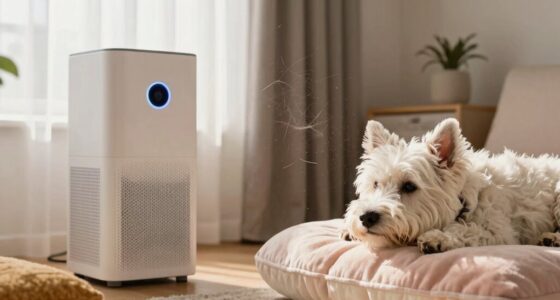
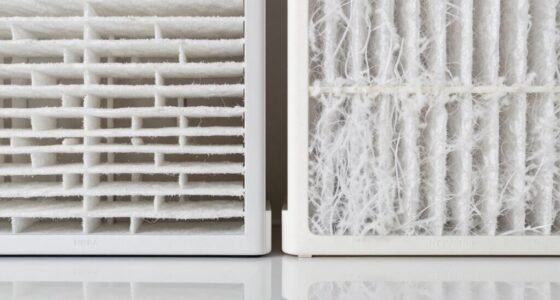
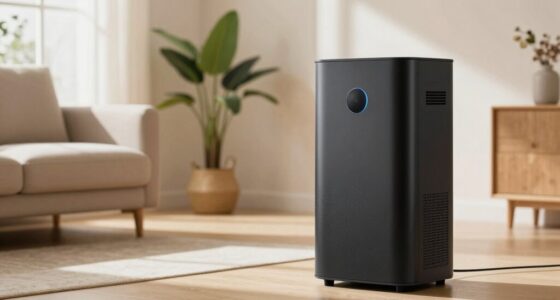
To build a better air strategy, start by installing high-quality filters like HEPA and activated charcoal to remove pollutants, dust, and odors. Use humidifiers or dehumidifiers to maintain balanced humidity, preventing mold and respiratory issues. Place multiple air units strategically for even airflow, and incorporate vents or diffusers to improve circulation. Smart controls and sensors can automatically adjust filtration and humidity based on real-time data. Keep exploring these tips to optimize your space even further.
Key Takeaways
- Strategically place appropriately sized air filtration units to ensure consistent air quality throughout large spaces.
- Incorporate airflow management techniques like vents and diffusers to improve circulation and reduce stagnation.
- Use real-time air quality monitoring sensors to inform ventilation and filtration adjustments automatically.
- Balance humidity levels with humidifiers or dehumidifiers to prevent respiratory issues, mold, and static buildup.
- Integrate smart controls and automation for dynamic adjustment of air parameters, optimizing efficiency and maintaining a healthy environment.

Have you ever wondered how to develop an air strategy that truly makes a difference? When dealing with large rooms and open spaces, creating effective airflow isn’t just about turning on fans or installing a few filters. It’s about designing a thorough plan that prioritizes air quality, comfort, and efficiency. The foundation of this approach starts with understanding how air filtration and humidity regulation work together to optimize the environment. Air filtration removes dust, allergens, and pollutants, guaranteeing the air you breathe is clean and healthy. High-quality filters, like HEPA or activated carbon, trap microscopic particles and odors, making a significant difference in spaces where air circulates constantly. But filtration alone isn’t enough; humidity regulation plays a critical role in maintaining a comfortable atmosphere. Too dry, and you risk respiratory issues or static electricity; too humid, and mold or bacteria can flourish. Striking the right balance involves using humidifiers or dehumidifiers strategically, depending on your space’s needs.
Effective air strategies blend filtration and humidity control for healthier, more comfortable large spaces.
To build a better air strategy, start by evaluating your space’s unique characteristics. Large rooms and open areas often suffer from uneven airflow, creating pockets of stagnation or drafts. Installing multiple air filtration units at different points can help guarantee consistent air quality throughout the space. These units should be appropriately sized for the area to maximize efficiency and minimize energy consumption. Pairing filtration with humidity regulation devices is essential—especially in climates with extreme weather changes. You want to avoid conditions where air feels stuffy or overly dry, which can lead to discomfort or health issues. Additionally, understanding the importance of indoor air quality and how it impacts health can guide your choices in designing a comprehensive plan. Incorporating airflow management techniques, such as strategic placement of vents and diffusers, can further improve circulation and reduce stagnant zones. Proper air quality monitoring with sensors can also help detect issues early and optimize system performance automatically.
Another key aspect is maintaining proper ventilation. Fresh air exchange is critical in large open spaces, so integrating ventilation systems that bring in outside air while exhausting stale indoor air is essential. This prevents the buildup of indoor pollutants and ensures a constant flow of clean air. When designing your air strategy, consider incorporating smart controls that adjust filtration and humidity levels automatically based on real-time air quality data. This way, you’re not just reacting to issues but preventing them altogether. Regular maintenance of all equipment is also vital to sustain optimal performance and air quality over time.
In the end, a successful air strategy for large rooms and open spaces combines effective air filtration, precise humidity regulation, proper ventilation, and smart automation. It’s about creating a balanced environment that promotes health, comfort, and efficiency. When you pay attention to these elements and tailor them to your specific space, you’ll see a noticeable difference in air quality and overall environment. Developing this kind of thoughtful plan isn’t complicated, but it does require deliberate choices and ongoing maintenance to keep your space feeling fresh and healthy.
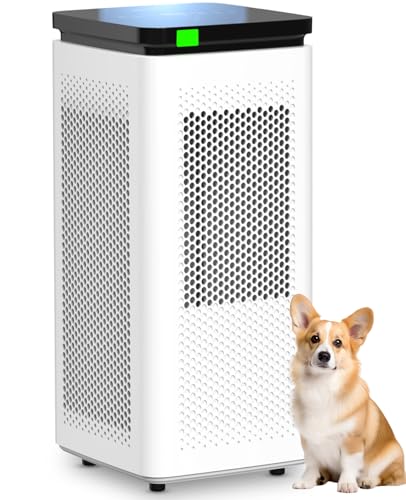
Air Purifiers for Home Large Rooms up to 3500 Ft², H13 True HEPA 0.1 Micron 99.97% Filtration with Carbon Filter, 235 CFM CADR, Removes Allergens, Pet Odor, Smoke, VOCs, 30dB Sleep Mode, PM2.5 Display
H13 True HEPA + Carbon Filter – Removes Odors & Smoke: Equipped with H13 True HEPA (0.1μm, 99.97%)…
As an affiliate, we earn on qualifying purchases.
As an affiliate, we earn on qualifying purchases.
Frequently Asked Questions
How Often Should Air Systems Be Inspected in Large Spaces?
You should inspect your air systems at least twice a year to guarantee peak air quality and proper functioning. Regular maintenance schedules help identify issues early, preventing poor air quality and system failures. In large spaces, more frequent checks may be necessary, especially during peak usage or when issues arise. Staying consistent with inspections guarantees your air system operates efficiently, maintaining a safe and healthy environment for everyone.
What Are the Best Air Purification Options for Open Areas?
Think of your open space as a revitalizing gust waiting to happen. To achieve this, invest in high-quality air filtration systems paired with effective ventilation systems. HEPA filters are excellent for capturing airborne particles, while UV-C air purifiers can neutralize germs. Guarantee proper air circulation and continuous filtration to keep the air clean, invigorating, and safe for everyone. Properly combined, they turn your open space into a haven of healthy air.
How Can I Reduce Energy Consumption With My Air Strategy?
You can reduce energy consumption by focusing on energy efficiency and ventilation optimization. Use smart controls to adjust airflow based on occupancy, ensuring you’re not wasting energy heating, cooling, or ventilating empty spaces. Seal leaks and improve insulation to minimize energy loss. Regularly maintain your HVAC system to keep it running efficiently. Incorporating energy-efficient equipment and optimizing ventilation rates will help lower energy use while maintaining good air quality.
What Are Common Signs of Poor Air Circulation?
You might notice poor air circulation if you experience stuffy odors, uneven temperatures, or lingering dust. These are signs that your air quality and ventilation efficiency are compromised. If the air feels stagnant or there’s excessive humidity, it indicates inadequate airflow. Addressing these issues improves air quality, enhances ventilation efficiency, and creates a healthier environment. Regularly check for these signs to maintain ideal airflow and indoor air health.
How Does Climate Impact Air Strategy Effectiveness?
Climate considerations considerably impact your air strategy’s effectiveness. In hot, humid, or cold environments, you need tailored solutions to optimize air quality. For instance, humid climates may require dehumidification, while cold climates need efficient heating and ventilation. By understanding your local climate, you can implement targeted measures that enhance air quality optimization, ensuring better comfort and health for everyone in large rooms and open spaces.
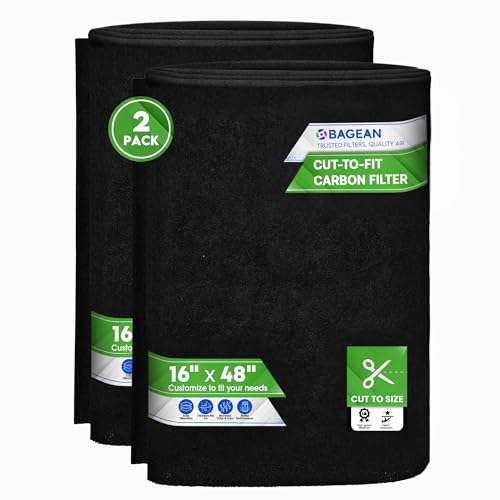
Cut to Fit Activated Carbon Filter Sheet 16” x 48” – Activated Carbon Air Filter for Air Purifiers Window AC Air Vent And More – Charcoal Filters Remove Odors & Freshens the Air (2-Pack)
FRESHEN THE AIR: Our activated carbon filter sheet freshens the air by removing odors ensuring a clean an…
As an affiliate, we earn on qualifying purchases.
As an affiliate, we earn on qualifying purchases.
Conclusion
By implementing a well-designed air strategy, you can substantially improve comfort and air quality in large rooms and open spaces. Remember, proper airflow can reduce airborne pollutants by up to 50%, creating a healthier environment. With the right approach, you’ll enjoy more consistent temperatures and fresher air, making your space more inviting and productive. Don’t underestimate the power of smart ventilation — it’s a game-changer for any large, open area.

Humidifier Large Room Bedroom with Night Light, 2.1Gal(8L) Humidifiers for Home with Essential Oil Diffuser, Top Fill Whole House Cool Mist Humidifiers for Plants Baby Kids Adults(Black)
[𝗟𝗮𝗿𝗴𝗲 𝗖𝗮𝗽𝗮𝗰𝗶𝘁𝘆 & 𝗟𝗲𝗮𝗸𝗮𝗴𝗲 & 𝗧𝗼𝗽 𝗙𝗶𝗹𝗹𝗶𝗻𝗴 𝗗𝗲𝘀𝗶𝗴𝗻] Our humidifier boasts a removable 8L (2.1Gal) large capacity tank,…
As an affiliate, we earn on qualifying purchases.
As an affiliate, we earn on qualifying purchases.

Amazon Smart Air Quality Monitor – Know your air, Works with Alexa
Know your air – Amazon Smart Air Quality Monitor makes it easy to understand what’s in your indoor…
As an affiliate, we earn on qualifying purchases.
As an affiliate, we earn on qualifying purchases.