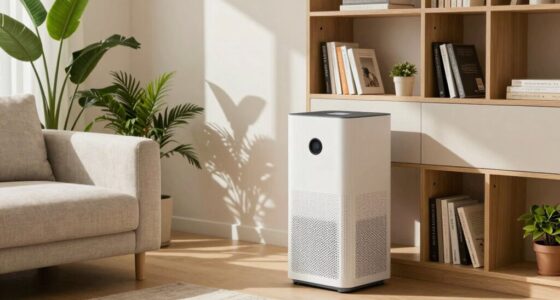
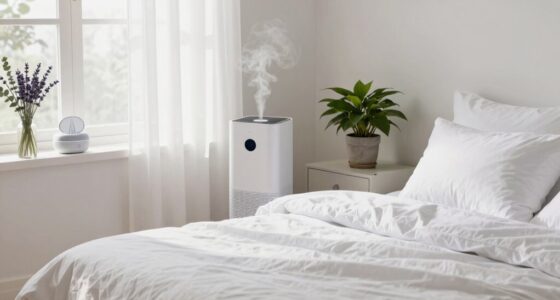
After a renovation, your home can trap dust, VOCs, and other airborne pollutants, which can linger long after construction ends. These pollutants can impact your health and comfort over time if not properly monitored. Adding better ventilation and using air quality monitors helps you detect and remove harmful contaminants early. Continuous monitoring ensures your indoor air stays safe, fresh, and healthy. To discover how to keep your home airborne safe, there’s more to take into account.

Get home appliances delivered free with Prime
- Fast, free delivery on millions of items
- Prime Video, Amazon Music and more included
- Member-only deals all year
Key Takeaways
- Renovation activities release dust, VOCs, and airborne pollutants that can linger without proper monitoring and ventilation.
- Improved air monitoring detects hidden pollutants, ensuring indoor air quality remains safe post-renovation.
- Older or airtight homes may trap pollutants, increasing health risks without adequate ventilation and monitoring.
- Continuous air quality checks help identify pollutant buildup early, enabling timely corrective actions.
- Proper monitoring supports the health of vulnerable occupants and maintains long-term indoor air safety.
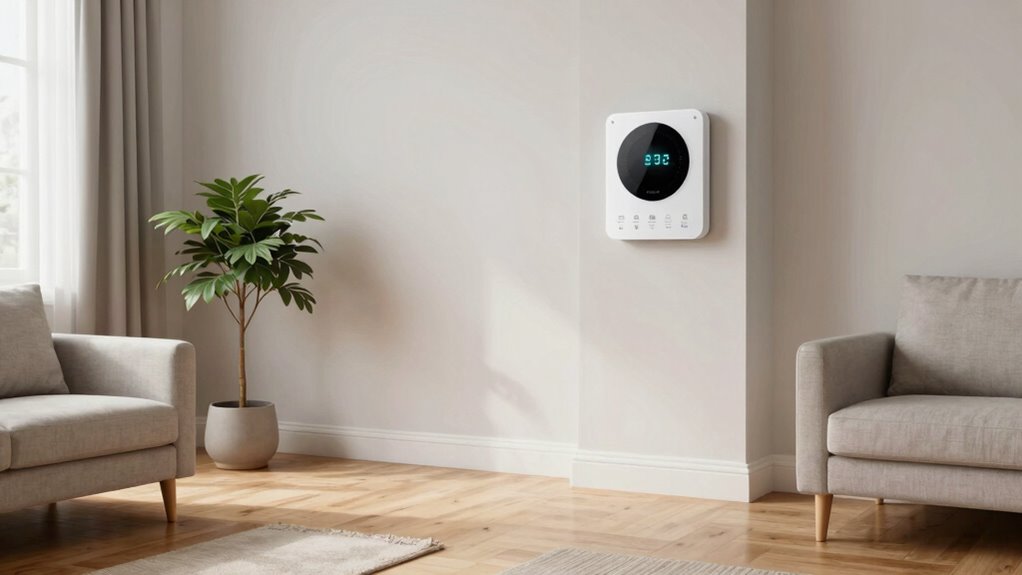
Renovating a home can substantially improve its comfort and value, but it also introduces potential air quality risks that you shouldn’t overlook. When you update your space, whether it’s new paint, flooring, or fixtures, you may inadvertently trap or introduce airborne pollutants. That’s why paying attention to indoor air quality is essential during and after renovations. Renovations often generate dust, volatile organic compounds (VOCs), and other contaminants that can linger in the air long after work is completed. Without proper monitoring, you might not realize how compromised your indoor environment has become, which can affect your health and well-being over time.
One of the most effective ways to safeguard your indoor air quality is by investing in good ventilation systems. Ventilation helps remove indoor pollutants, bringing in fresh air and diluting harmful substances that accumulate during renovation projects. However, many homes lack sufficient ventilation, especially if they’re older or have been airtight for energy efficiency. After renovations, the need for enhanced ventilation becomes even more essential. You might consider installing or upgrading mechanical ventilation systems, such as exhaust fans or energy recovery ventilators, to guarantee continuous and controlled airflow. These systems can help maintain a healthy indoor environment by reducing airborne irritants and preventing the buildup of moisture, mold, and other pollutants. Ensuring proper ventilation also minimizes the risk of airborne contaminants accumulating to unsafe levels. Incorporating air quality sensors can provide real-time feedback and help you react promptly to any issues.
It’s also indispensable to actively monitor the air quality in your home during this period. Relying solely on your senses isn’t enough, as many pollutants are odorless or invisible. Air monitoring devices can detect VOC levels, particulate matter, humidity, and other key indicators of indoor air health. By regularly checking these parameters, you can identify issues early and take appropriate steps—like increasing ventilation or using air purifiers—to address them. This proactive approach minimizes health risks, especially for children, the elderly, or anyone with respiratory sensitivities. Additionally, understanding the importance of air quality monitoring can help you make informed decisions to protect your indoor environment during this critical time. Regularly assessing air quality levels can also assist in evaluating the effectiveness of your ventilation and purification efforts. Incorporating proper testing methods can further enhance your ability to maintain a safe and healthy indoor atmosphere.
In essence, your renovation journey shouldn’t end with the last coat of paint. It’s equally important to prioritize indoor air quality through proper ventilation and diligent air monitoring. Doing so ensures that your newly renovated home remains a safe, comfortable space where you and your family can breathe easy. Better air quality supports your health, preserves your investment, and helps you enjoy the full benefits of your home’s transformation.
As an affiliate, we earn on qualifying purchases.
Frequently Asked Questions
How Soon After Renovation Should Air Monitoring Be Conducted?
You should conduct air monitoring immediately after renovation to assess the renovation aftermath and guarantee air quality standards are met. It’s best to do initial testing within the first few days, as pollutants like dust, VOCs, and chemicals can linger. Continuous or follow-up monitoring helps confirm the air is safe for occupancy, protecting your health and ensuring the home remains a healthy environment post-renovation.
What Specific Pollutants Are Most Common in Renovated Homes?
In renovated homes, you’ll often find elevated VOC levels and formaldehyde detection as common pollutants. These substances come from paints, adhesives, flooring, and insulation materials used during renovation. You should monitor VOC levels regularly, especially right after the work is completed, to guarantee air quality is safe. Keeping an eye on these pollutants helps protect your health and confirms that your home’s air remains clean and safe to breathe.
Are There Affordable Air Monitoring Options for Homeowners?
You can find affordable air monitoring options that help you meet air quality standards without breaking the bank. Budget-friendly solutions like handheld air quality meters or smart detectors are easy to use and provide real-time data. Coincidentally, these devices often alert you to pollutants like VOCs and particulate matter, ensuring your home stays safe and healthy. Investing in such monitors helps you maintain good air quality without overspending.
How Long Does It Take to Get Air Quality Results?
It typically takes a few hours to a few days to get air quality results, depending on the testing method. During this time, you can enhance air purifier effectiveness and ventilation strategies to reduce indoor pollutants. Running air purifiers continuously and increasing ventilation helps clear out volatile organic compounds (VOCs) and other contaminants. Regular monitoring ensures your home remains safe, especially after renovations, and helps you make informed decisions to improve indoor air quality.
Can Air Monitoring Detect All Types of Indoor Pollutants?
Air monitoring can detect many indoor pollutants, including common indoor allergens and mold spores, but it doesn’t catch everything. Some pollutants, like certain chemicals or gases, require specialized sensors. You should understand that regular air tests help identify most issues, but for thorough safety, consider using advanced monitoring systems or professional inspections. This way, you ensure your home’s air quality is as safe as possible.
VOC and particulate matter sensor
As an affiliate, we earn on qualifying purchases.
As an affiliate, we earn on qualifying purchases.
Conclusion
Think of your home as a delicate garden, where every breath is an essential drop of water. Renovations can stir up unseen pollutants, like weeds threatening your sanctuary. By prioritizing air monitoring, you’re tending to your home’s health with the care of a gardener. Don’t let hidden toxins take root—protect your sanctuary with vigilant air quality checks. After all, a healthy home is the foundation for a happy life, as crucial as sunshine after a storm.
home ventilation system with sensors
As an affiliate, we earn on qualifying purchases.
As an affiliate, we earn on qualifying purchases.
air purifier for post-renovation
As an affiliate, we earn on qualifying purchases.
As an affiliate, we earn on qualifying purchases.
Fall yard work Picks
leaf blowers
As an affiliate, we earn on qualifying purchases.